
CHICAGO – Data from the year’s first half is reinforcing expectations that U.S. food and beverage sales are settling into a range significantly below the category’s 7% compound average growth rate from 2019 to 2024, according to research out today from Circana LLC.
Food and beverage sales increased 2.2% over the first half of 2026, Circana said, with the gains attributed to higher prices. Sales volumes were essentially flat from the year-earlier period, the firm said in its latest Circana Compass report.
The findings signal a return toward pre-pandemic growth norms and a market entering a sustained period of rationalization, Circana concludes.
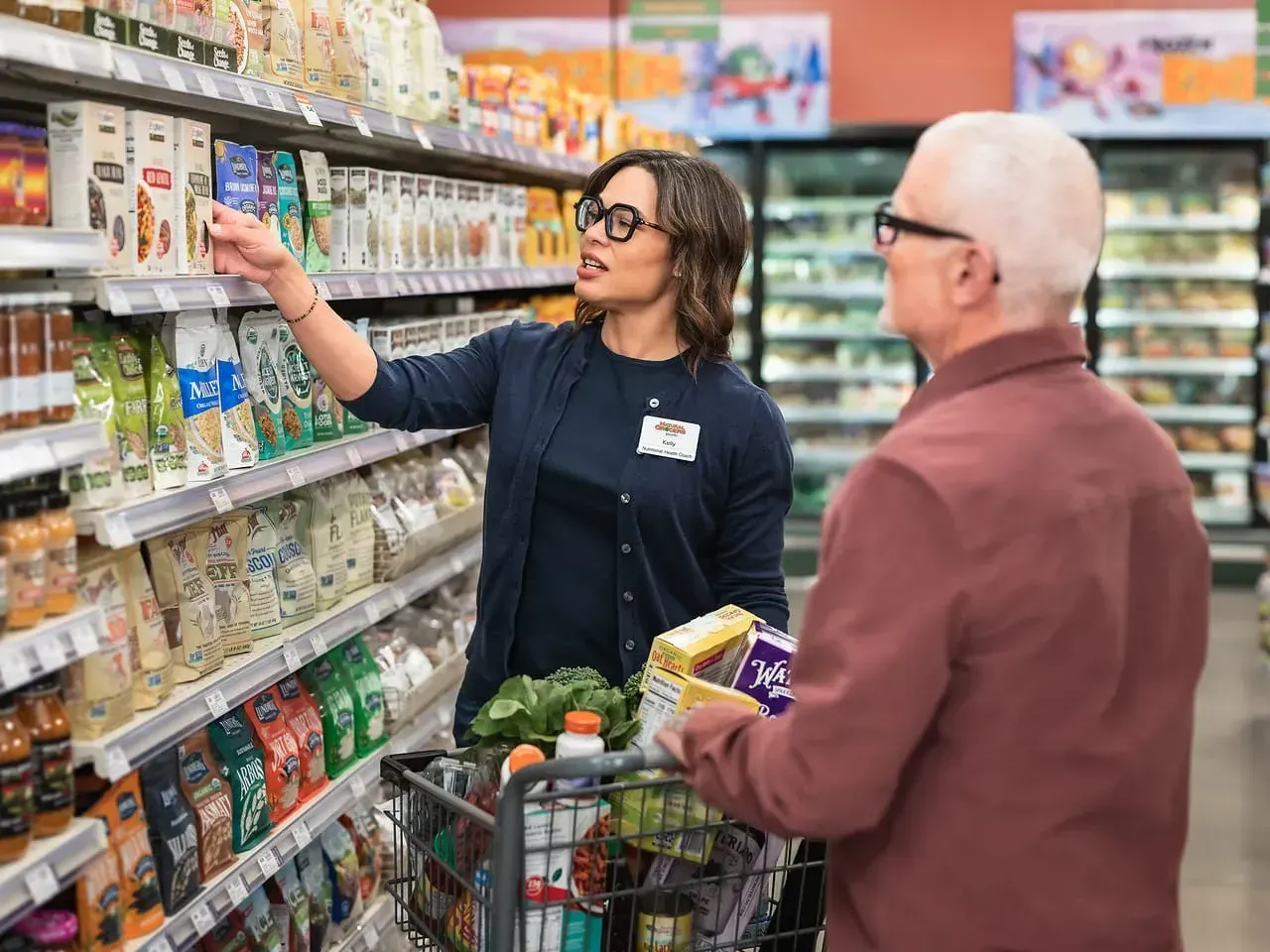
“Consumers are no longer simply trading down or cutting back; they are becoming more intentional and efficient,” says Sally Lyons Wyatt, global executive vice president and chief advisor at Circana. “Whether through pack-size optimization, private label and brand selection, AI-assisted shopping, or reducing waste, shoppers are finding smarter ways to achieve the outcomes they want while navigating persistent financial pressures.”
Circana expects volume sales to remain flat through the balance of 2026 as strain on wallets persists and consumers grow more efficient in their spending. Price/mix growth should continue at similar rates, marked by steady, positive product mix shift, higher but stabilizing price growth in packaged goods, and rising price growth in fresh foods.
Through the first six months of 2026, price/mix grew 2.3%, landing on the lower end of Circana’s expected range due to uncertainty in fresh food pricing – rising 0.4% in price/mix versus a year ago – while packaged food categories trended as expected, up 3.7% versus a year earlier.
Circana expects U.S. retail food and beverage growth of between 2% and 3% in 2027, closer to pre-pandemic averages of 2.5% to 3.5%.
The report projects that tight volume trends will continue as CPG consumers enter a new period of rationalization. Lower population growth also accounts for slower growth versus pre-pandemic levels, says Circana.
The Consumer Price Index, released by the Bureau of Labor Statistics last week, showed that inflation continued to accelerate in May, rising 4.2% compared with a year earlier, the fastest pace since April 2023.
Nearly the entire increase was driven by energy prices, which have shot up since the war with Iran began in late February. But “core” inflation, a measure that strips out volatile food and energy items, rose at a 2.9% annual pace.
Submit Your Press Release
Have news to share? Send us your press releases and announcements.
Send Press Release