
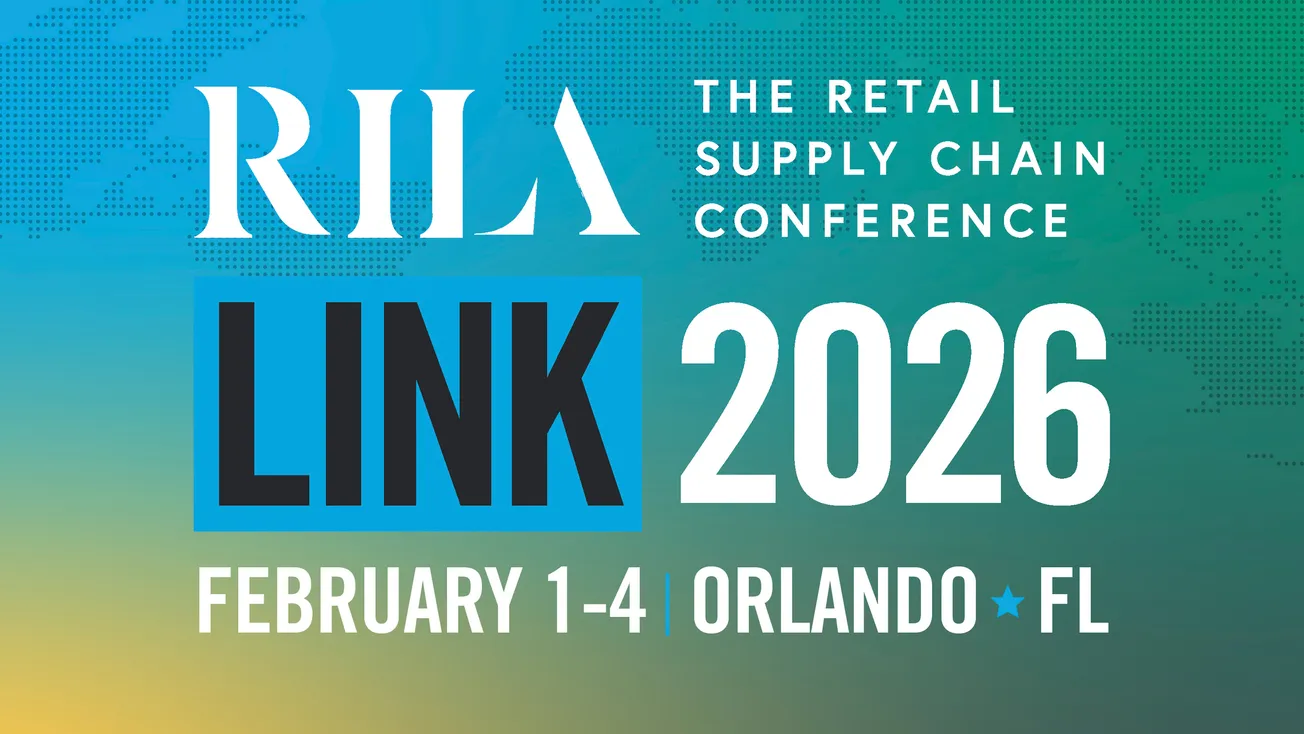
ORLANDO — Retail supply chain leaders are entering 2026 with a sharper focus on disciplined execution, AI-enabled decision-making and resilience as a competitive advantage. That was the clear message from LINK: The Retail Supply Chain Conference, where executives examined how to modernize operations while navigating tariffs, inflationary pressures, and geopolitical uncertainty.
The insights were outlined in a post-event reflection by Jess Dankert, vice president for supply chain at Retail Industry Leaders Association. Dankert, who leads RILA’s supply chain initiatives and oversees the annual LINK conference, highlighted the operational and strategic themes shaping retailers’ year ahead.
Through main-stage discussions and peer exchanges, participants emphasized that while innovation remains critical, strong fundamentals remain the bedrock of performance.
AI Moves From Hype to Application
Artificial intelligence was a main focus throughout the conference. Executives noted that although AI tools are spreading quickly across areas such as forecasting, inventory optimization, and transportation management, results still depend on solid operational fundamentals.
Speakers repeatedly emphasized that advanced analytics cannot make up for poor data governance or disjointed processes. Retailers that have invested in clean data, standardized workflows, and cross-functional alignment are experiencing quicker benefits from AI-driven demand planning and supply network visibility initiatives.
Resilience Rivals Efficiency as a Core Metric
Amid ongoing tariff uncertainty, inflation pressures, and geopolitical volatility, resilience and agility were valued as highly as traditional efficiency and cost metrics.
Retailers discussed diversifying sourcing strategies, strengthening nearshoring partnerships, and creating more flexible inventory positioning models. The consensus: supply chains must be built to absorb shocks without sacrificing customer experience.
Discipline in execution was another recurring theme. Leaders emphasized that transformation initiatives must be rooted in measurable improvements to the shopper experience, whether through better in-stock levels, faster fulfillment, or clearer communication about delivery expectations.
Collaboration Requires Structure
While collaboration remains a key aspect of the retail supply chain ecosystem, LINK2026 participants warned that alignment does not occur naturally.
Cross-functional collaboration among merchandising, supply chain, finance, and store operations requires clearly defined roles, accountability frameworks, and shared performance metrics. Without executive sponsorship and frontline workforce engagement, transformation efforts may stall before achieving measurable results.
Equally important is aligning with external partners. Retailers noted that progress relies on suppliers and logistics providers that are transparent about constraints and willing to co-invest in innovation.
A Foundation for 2026
The main takeaway from LINK2026 was adaptability. Supply chain leaders showed a readiness to share lessons learned and compare strategies in a consistently changing environment.
As retailers keep modernizing networks and adding AI-driven capabilities, the focus is moving from experimentation to disciplined, scalable execution.
LINK2027 is scheduled for February 21 to 24 in Orlando, where industry stakeholders will gather again to evaluate how current strategies have translated into performance improvements across a shifting retail landscape.
Submit Your Press Release
Have news to share? Send us your press releases and announcements.
Send Press Release