
NEW YORK — Halloween is generating spending well ahead of October 31 as American households stock up on costumes, candy and decorations and expand their celebrations to include seasonal entertainment and activities.
Deloitte’s inaugural Halloween Survey found that 92% of U.S. households plan to participate in at least one Halloween-related activity this year. Households expect to spend an average of $285, highlighting the holiday’s reach across retail categories and paid experiences.
“Halloween has cast its spell as a beloved household tradition, with surveyed consumers celebrating through everything from candy and costumes to décor and experiences. Enthusiasm for the spooky season appears strong, with many households planning to spend the same or more than last year. Halloween is no longer just a night on the calendar—it’s expected to be a season of traditions, experiences and spending,” said Natalie Martini, vice chair and US Retail and Consumer Products Sector Leader, Deloitte.
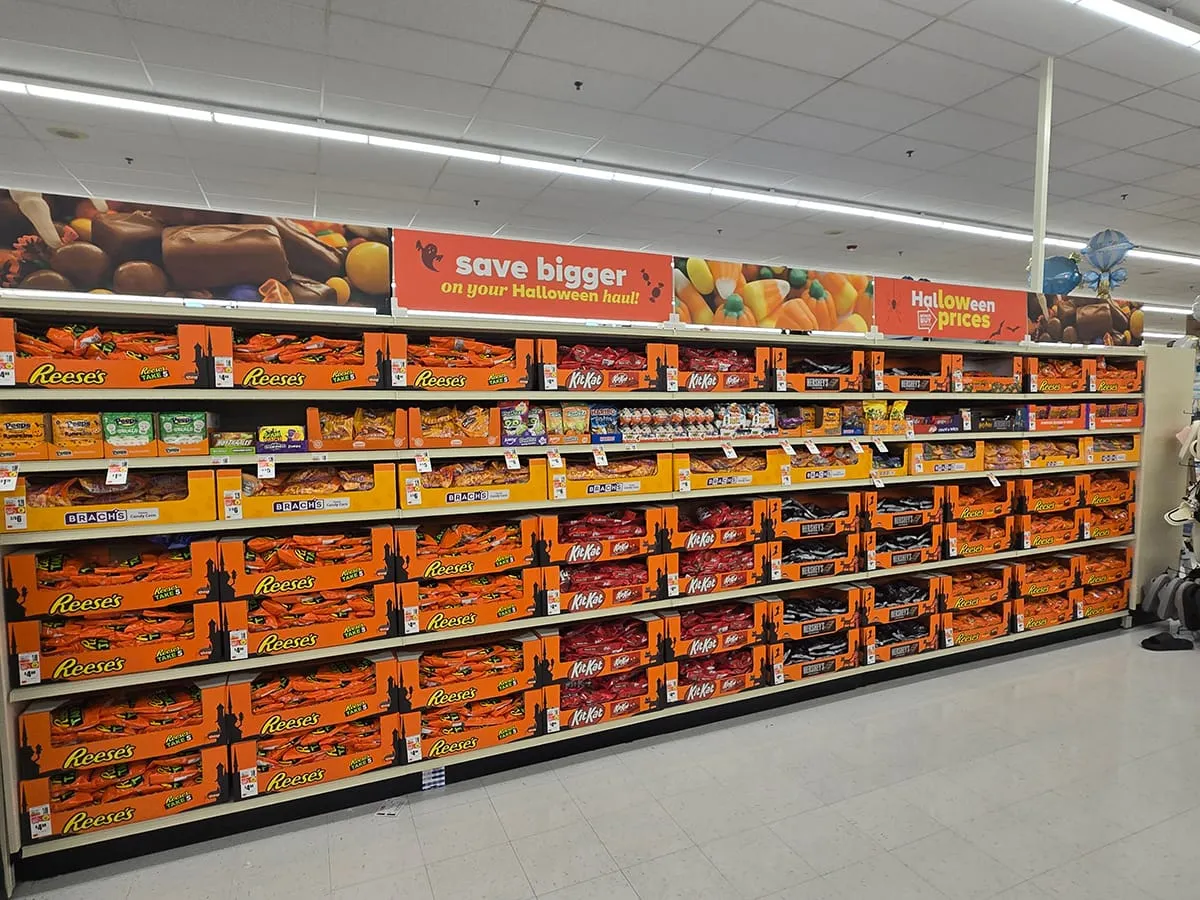
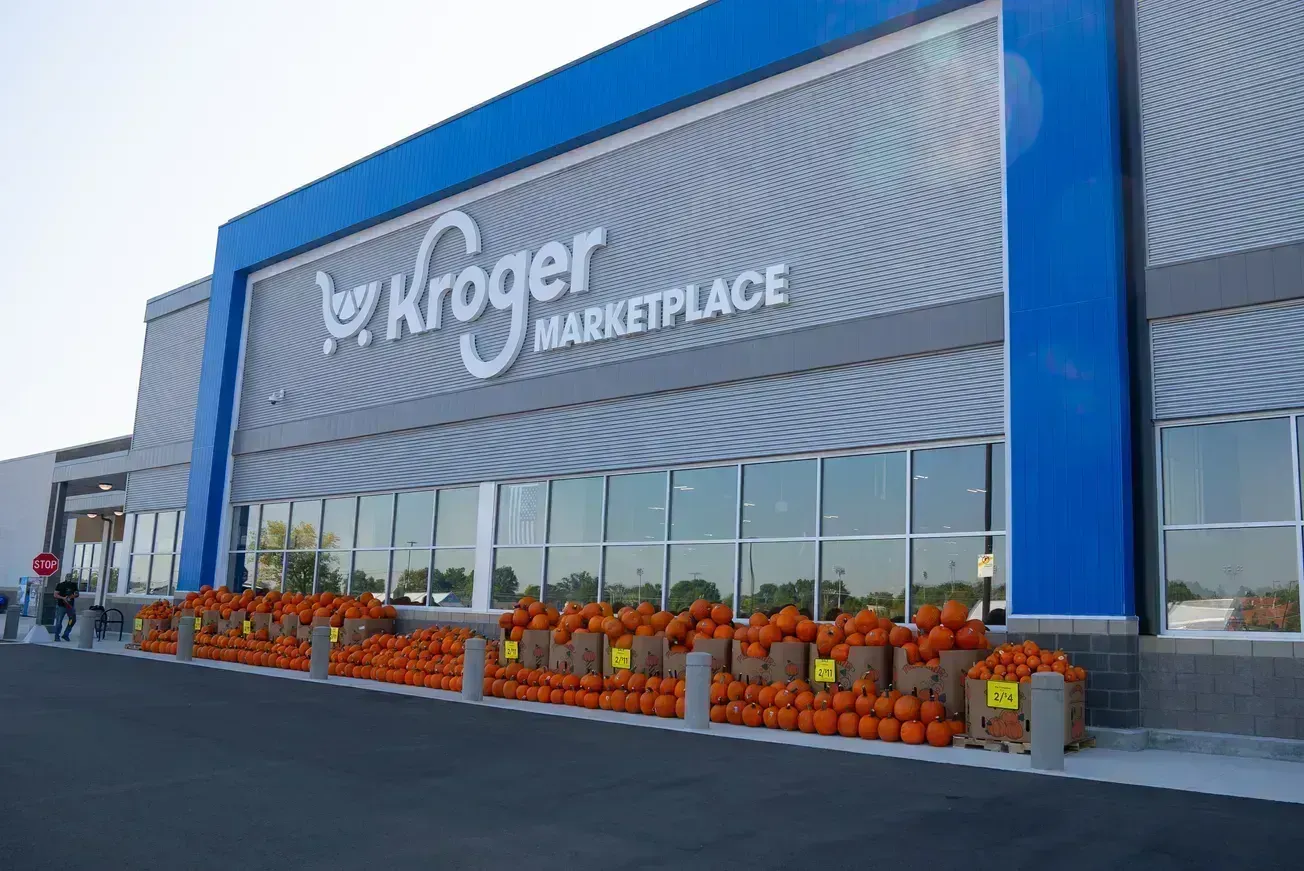
“For grocery, drug and other everyday retailers, there may be an opportunity to capture that enthusiasm by delivering value throughout the season. Surveyed shoppers are focused on affordability, value and promotions, while most planned Halloween spending is still expected to happen in-store. Bringing together seasonal treats, merchandise and engaging displays could help retailers inspire purchases and stand out during the Halloween shopping journey,” she added.
Costumes represent the largest spending category, at an average of $57 per household, followed by home décor at $54 and candy for trick-or-treaters at $48.
For retailers, the findings underscore the value of reaching Halloween shoppers early. Consumers who began shopping before mid-August expect to spend 1.7 times as much, on average, as those who started later.
Families with children are particularly active, planning to participate in an average of six Halloween activities, compared with four among households without children. Across surveyed households, handing out candy or treats is the most popular tradition, with 64% planning to participate. Decorating homes and yards follows at 59%, while 50% expect to watch Halloween-themed movies and television programs.
Regional differences shape both celebrations and purchasing choices, suggesting opportunities for retailers to tailor seasonal assortments to local preferences.
In the Northeast, 74% of households plan to hand out treats, the highest share of any region. Northeastern households are nevertheless the least likely to take children trick-or-treating.
Midwestern households are the most likely to distribute full-size candy bars, with 41% planning to do so. Just 8% expect to offer allergy-friendly treats. Southern households are the most likely to prepare Halloween-themed food and beverages at home, but the least likely to hand out treats. In the West, households are the most likely to wear costumes and the least likely to distribute full-size candy bars.
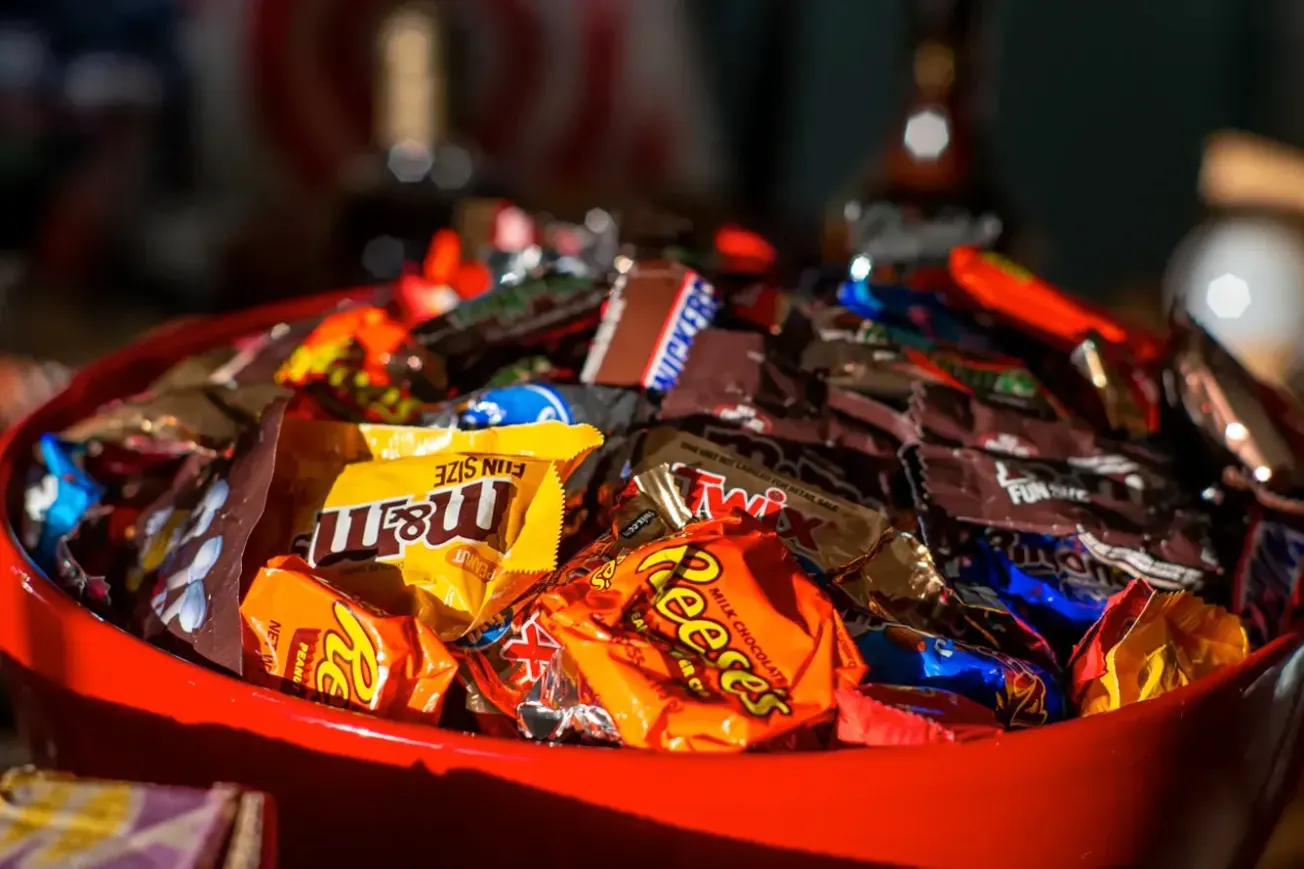
Traditional sweets remain the dominant choice for trick-or-treat giveaways. Among households planning to distribute treats, 73% expect to offer assorted mini chocolate candies, 66% plan to give out assorted candies and 38% intend to hand out full-size candy bars.
Entertainment and fantasy also figure prominently in costume selections. Among respondents planning to dress up, 52% expect to choose pop-culture characters, followed by traditional or scary costumes at 48% and fantasy or magical characters at 33%.
The survey portrays Halloween as a season of purchasing and participation, with opportunities extending beyond the candy aisle to apparel, home décor, food and entertainment. The higher spending intentions of early shoppers also point to the importance of maintaining seasonal engagement over several months.