
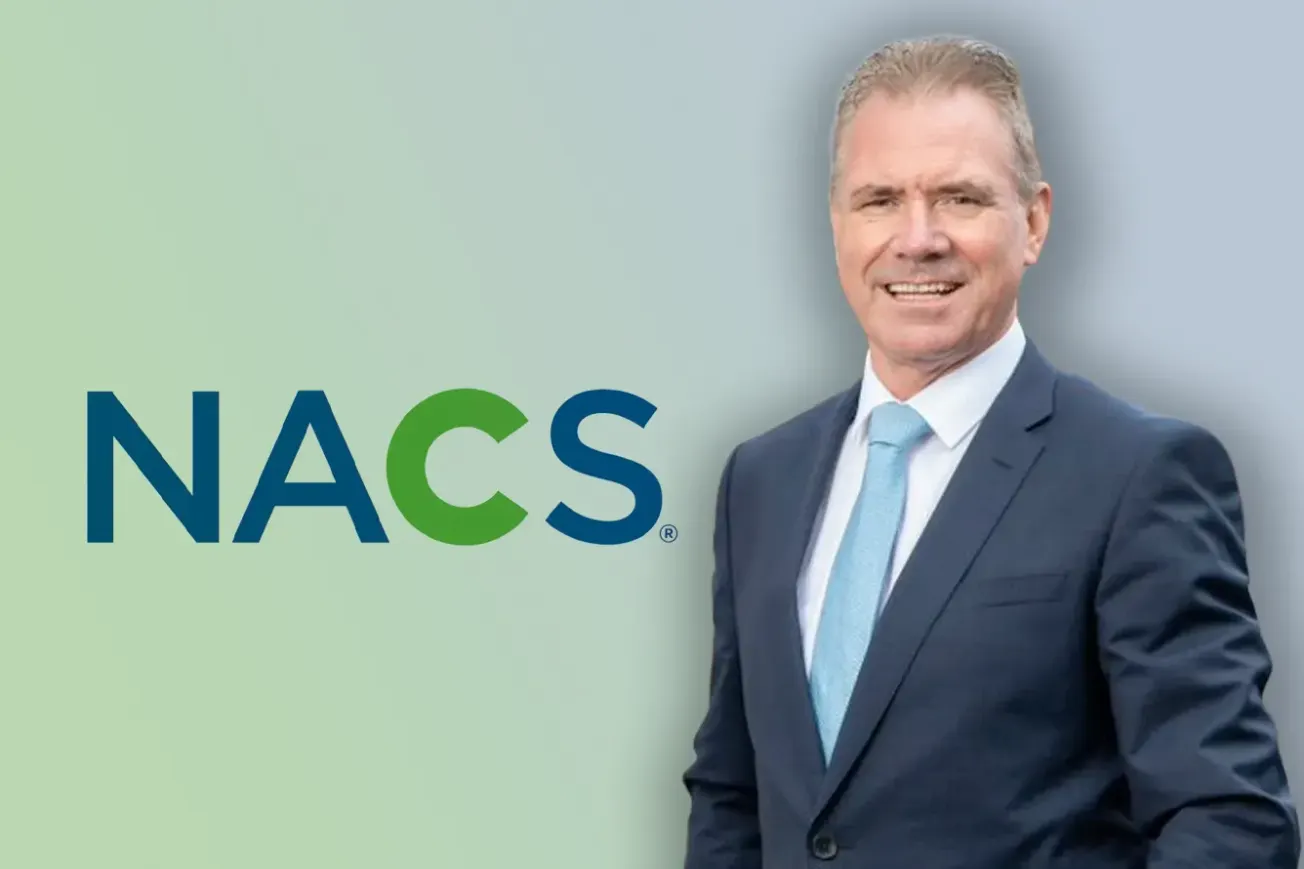
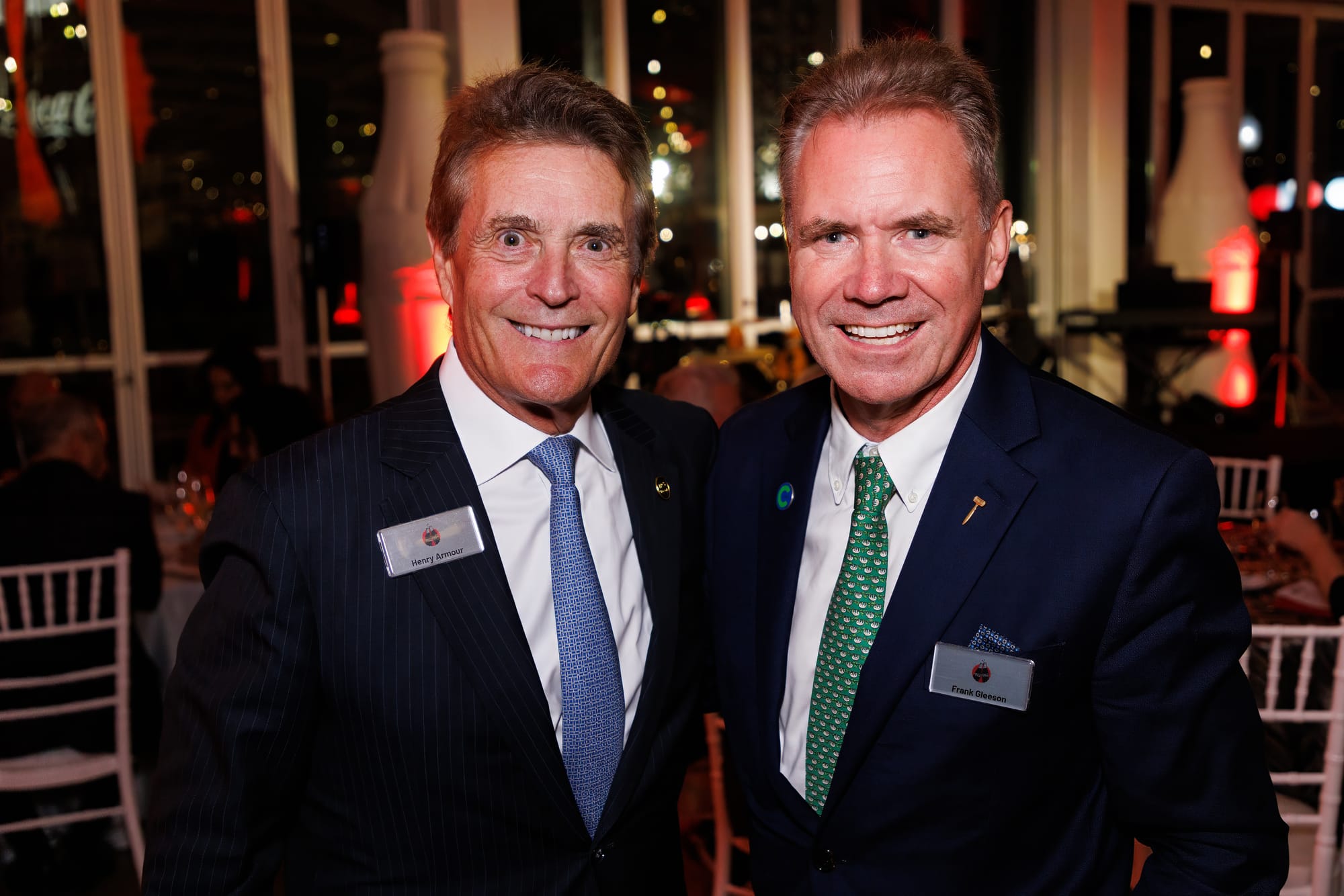
ALEXANDRIA, Va. — When Frank Gleeson took on the role of president and CEO of the National Association of Convenience Stores at the start of 2026, he inherited an industry in transition. Succeeding Henry Armour, who spent twenty years in the role, Gleeson assumes leadership as the convenience channel moves beyond its traditional dependence on fuel and tobacco, shaped by changing consumer expectations, increasing competition, and a growing focus on foodservice, services, and digital engagement.
| Click here for our complete C-store coverage |
In an exclusive interview with Convenience Editor Thorvardur de Shong for the April edition of Mass Market Retailers, Gleeson said the industry is evolving quickly as retailers move beyond fuel and tobacco, with food, digital tools, and the in-store experience playing a much larger role, reshaping what convenience retail looks like for today’s consumers.

Get Full Access to Mass Market Retailers
Gleeson describes the moment as less about disruption and more about evolution, even though it’s happening faster than many operators have traditionally experienced. “Convenience retail has always adapted to meet the consumer where they are,” he said. “What’s different now is the speed of change. The traditional model still matters, but it’s no longer enough on its own.”
Fuel and tobacco, while still significant, are no longer the sole sources driving growth. Instead, retailers are creating more diverse models centered on foodservice, fresh products, and higher-margin categories that better align with changing consumer habits. Gleeson sees this shift as both necessary and unavoidable. “We’re seeing a rebalancing of the business,” he said. “Food, beverages, and prepared offerings are becoming increasingly central, not just as add-ons, but as essential parts of the value proposition.”
That evolution is also changing how the industry defines itself. Gleeson pointed out that convenience stores are taking on a broader role in the communities they serve, especially in areas where access to food and daily necessities may be limited. “In many communities, the convenience store is the most accessible retail location,” he said. “That brings a responsibility, but also an opportunity to expand what we offer and how we serve customers.”
Part of that effort involves reshaping how the industry is perceived beyond its own boundaries. NACS has been increasingly focused on explaining the sector’s role to policymakers, especially as regulatory pressures continue to grow. Gleeson highlighted ongoing changes around tobacco and nicotine products, as well as rising scrutiny on payments and interchange fees, as key areas of concern. “These issues have real implications for operators,” he said. “Our job is to make sure there’s a clear understanding of how policy decisions affect the businesses that serve millions of consumers every day.”
Inside the store, the shift toward foodservice is one of the clearest signs of change, but Gleeson is quick to point out that success requires more than just expanding the menu. “The opportunity in food is clear, but execution is what separates the leaders,” he said. “Retailers that are winning in this space are the ones that have made a sustained commitment to quality, consistency, and the overall experience.”
Consumers, he added, are increasingly comparing convenience stores with a broader range of options, including quick-service and fast-casual restaurants. This expanded competitive landscape is prompting operators to rethink everything from store layout to supply chain and staffing. “The bar has been raised,” Gleeson said. “It’s no longer enough to be convenient. You have to be relevant and competitive across multiple dimensions.”
Digital capabilities are becoming an essential part of that equation. From loyalty programs and personalized promotions to mobile ordering and data-driven merchandising, technology is enabling retailers to engage customers more directly and drive incremental growth. “Digital is not a separate channel, it’s an enabler of the overall experience,” Gleeson said. “When it’s integrated properly, it enhances convenience in a very real way.”
Gleeson, born in Ireland, offers a global viewpoint on the role, having spent much of his career in international retail and foodservice markets. That experience, he said, provides valuable insight into how the U.S. industry might continue to develop. “In some parts of the world, the integration of food, retail, and services is already more advanced,” he said. “There are lessons there, but the U.S. market is unique in its scale and diversity, so the approach must be tailored.”
His position as a relative outsider to the U.S. convenience industry also influences his leadership style. Gleeson values questioning long-standing assumptions, especially as consumer expectations continue to evolve. “It’s important to step back and ask whether the way things have always been done still makes sense,” he said. “That’s where new ideas and innovation can come from.”
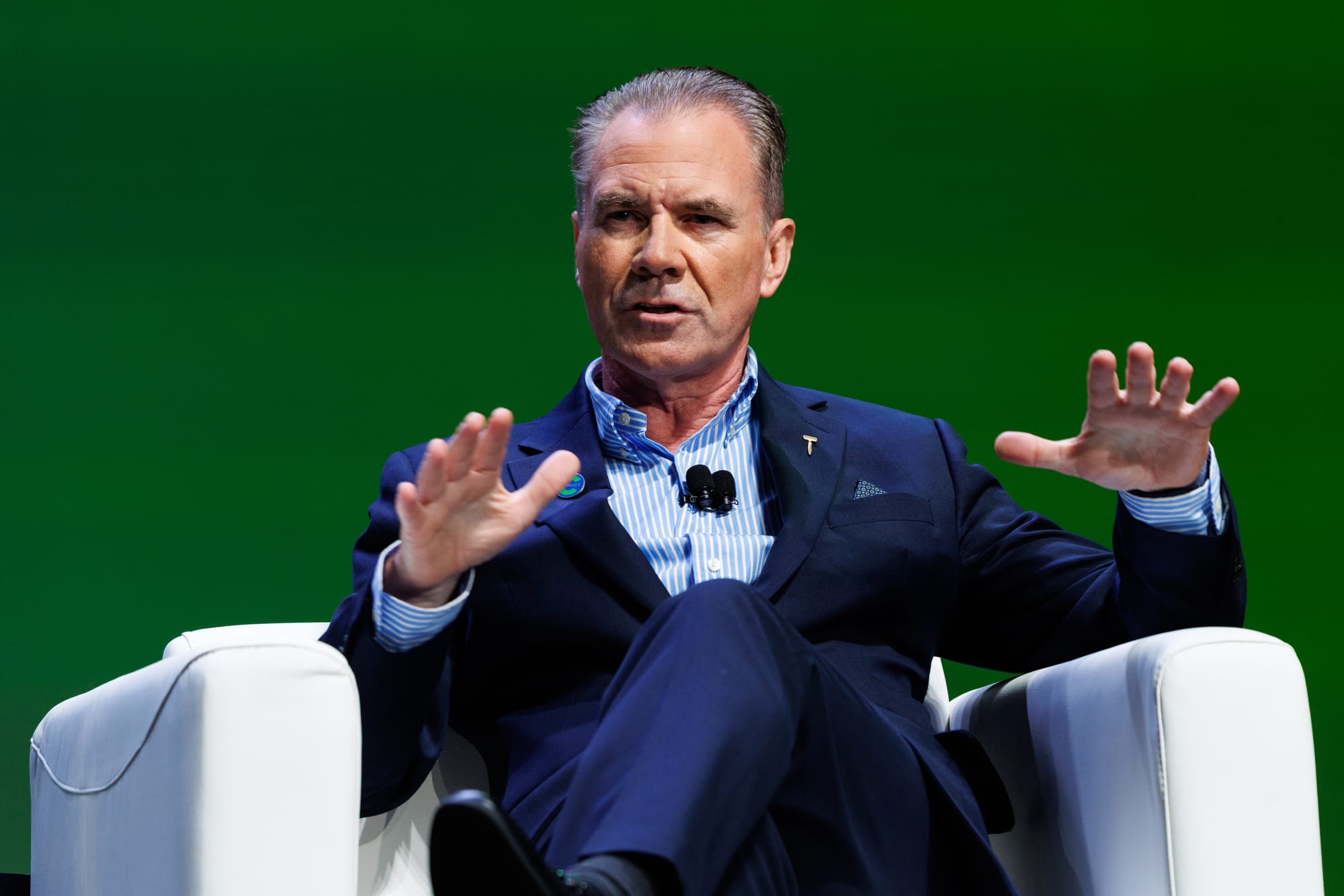
Competition is now expanding well beyond traditional boundaries, with convenience retailers facing not only each other but also grocery chains, restaurant operators, and a growing number of delivery and digital-first platforms. Gleeson believes the industry’s strength lies in its ability to combine speed, accessibility, and increasingly, quality. However, delivering on that promise requires a clear sense of purpose. “Retailers need to be very deliberate about how they define their value proposition,” he said.
Looking ahead, Gleeson predicts the industry will continue to diversify and adapt. Foodservice will keep expanding, digital capabilities will grow more advanced, and store formats will change to meet evolving consumer needs. Meanwhile, external factors such as regulation, economic conditions, and shifts in mobility—including the long-term effects of electrification—will influence how the industry progresses.
For NACS, the challenge and opportunity are in helping operators manage that complexity while emphasizing the sector’s importance within the larger retail ecosystem. “This is an industry that touches millions of people every day,” Gleeson said. “Our goal is to support its growth, offer clarity where possible, and ensure that convenience retail continues to play a vital role in meeting consumer needs.”
Submit Your Press Release
Have news to share? Send us your press releases and announcements.
Send Press Release