

CRN urges tougher enforcement on AI supplement ads
CRN urged regulators and platforms to act against illegal health claims, remove deceptive sellers, and inform consumers to identify legitimate products.
“CRN continues to attract companies that are committed to advancing science, quality, and responsible innovation throughout the dietary supplement supply chain,” said Steve Mister, president and CEO of CRN.
“Women’s health is entering a new era of scientific discovery, creating unprecedented opportunities to improve health and quality of life through evidence-based nutrition,” said Andrea Wong, Ph.D., CRN’s senior vice president and chief science officer.
The conference will explore emerging risks, compliance strategies, and evolving legal and business challenges in the creator economy.
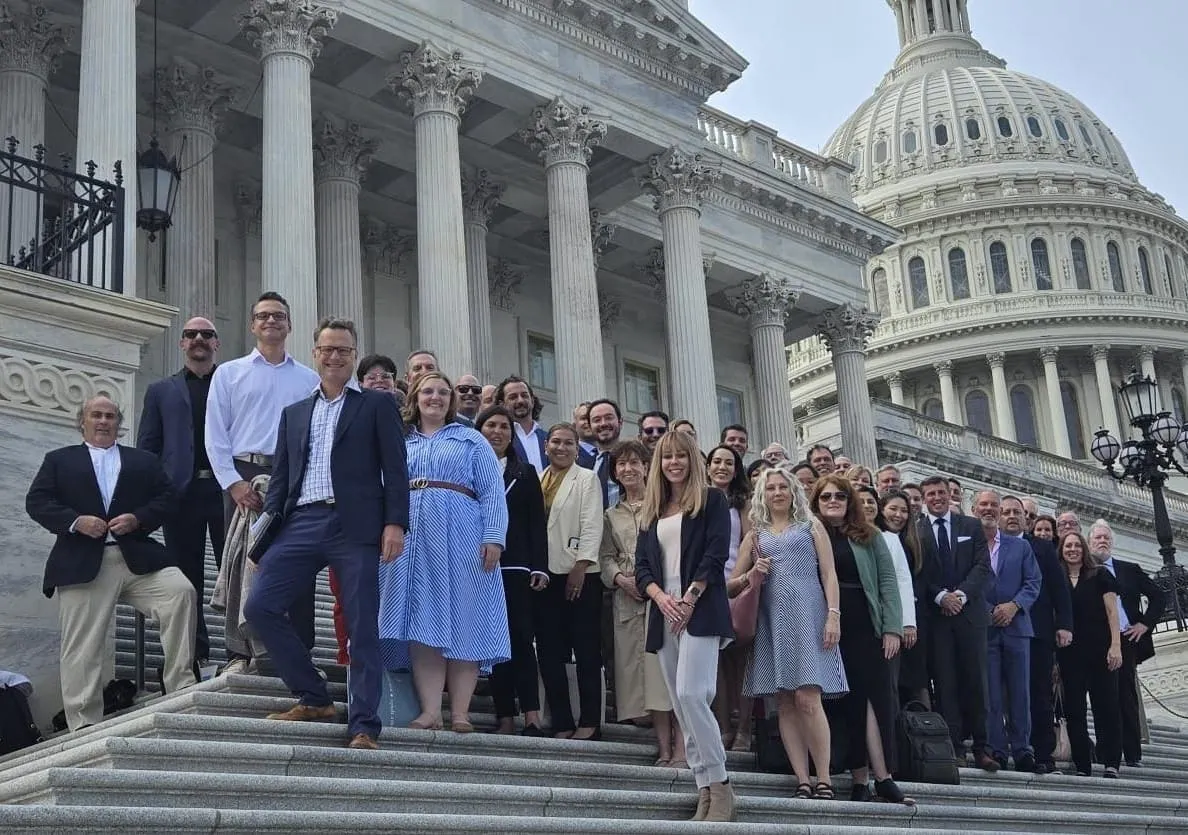
Participants held more than 60 meetings with congressional offices.
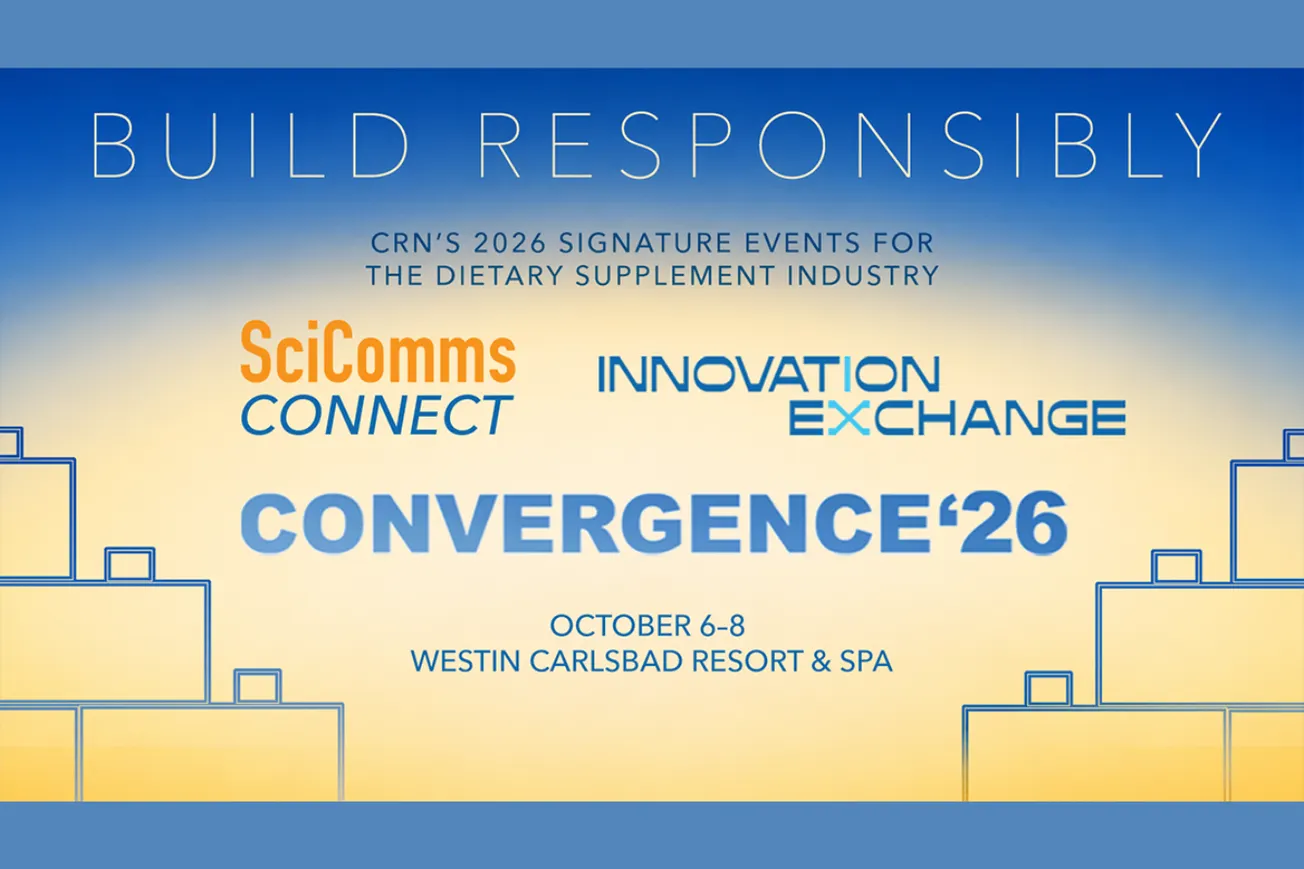
CRN’s annual business conference will spotlight innovation, science communication and collaboration across the supplement industry.
CRN’s new “Sergeant Searchlight” initiative aims to spotlight the need for mandatory FDA product listings for dietary supplements and stronger marketplace oversight.
In response to the introduction of new legislation, Steve Mister, President and CEO of the Council for Responsible Nutrition (CRN), released a statement.
This latest cohort reflects growing investment in data-driven decision-making, regulatory intelligence, and next-generation product development across the nutrition and health space.
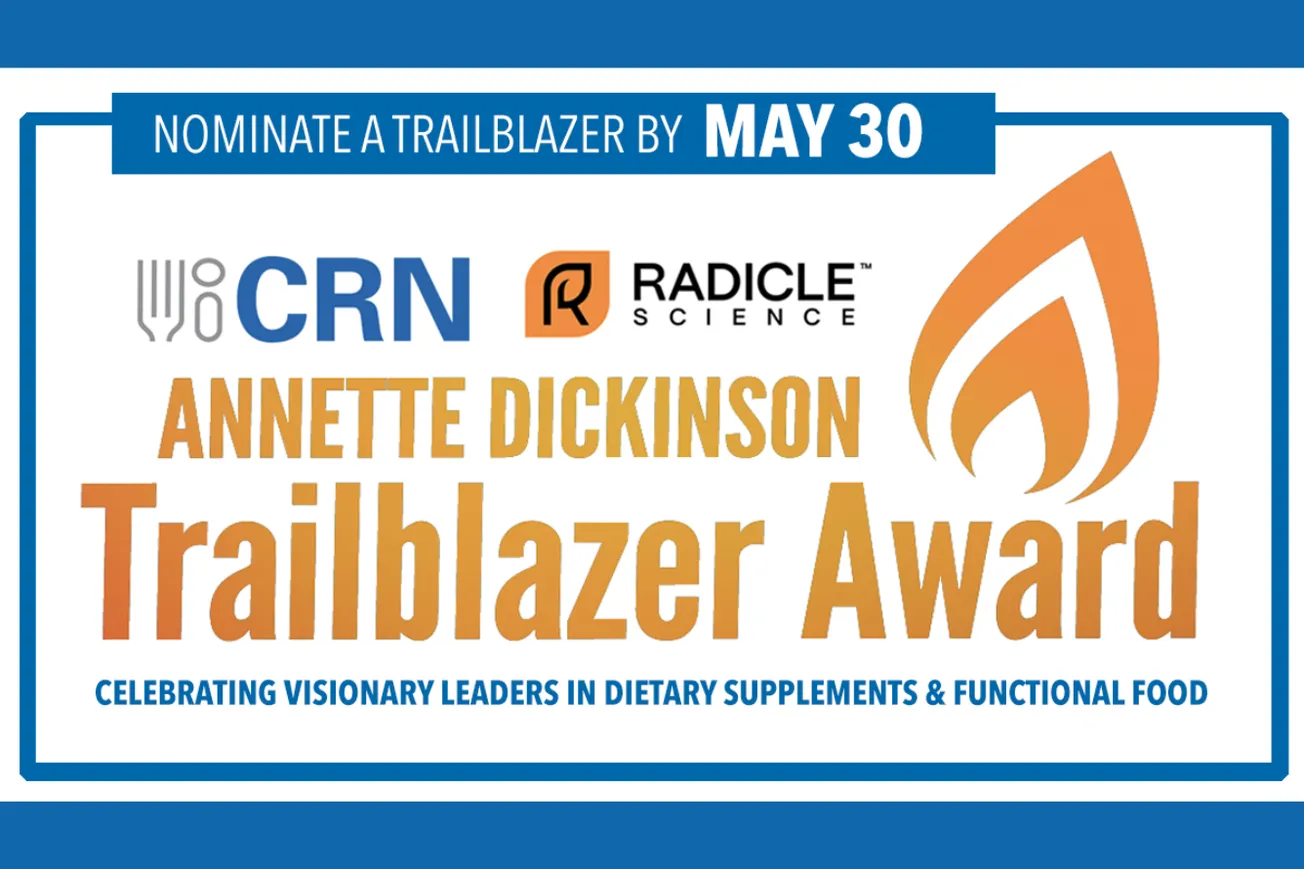
The award honors the legacy of the late Annette Dickinson, Ph.D., who helped shape the modern dietary supplement industry as CRN’s first staff member in 1973.
The event comes amid growing bipartisan attention to preventive health, supply chain resilience and regulatory modernization.
Innovation showcase follows ‘SciComms Connect’ at CRN’s top dietary supplement and functional food events.
The publication comes as the U.S. Department of Health and Human Services signals support for expanding nutrition education in medical school curricula.
According to CRN, SB 1033 adopts misguided policies that impose burdens beyond federal rules and send alarmist messages about nonexistent harms.
CRN emphasizes that supplements are not intended to replace a healthy diet but to help fill ongoing nutrient gaps identified in federal nutrition data and the Dietary Guidelines for Americans.
The trade group welcomed dietary supplements' inclusion in the 2025–2030 Dietary Guidelines for Americans, highlighting their role in addressing nutrient gaps.