

Retailers rank high on MarketCast’s 2025 Brand Fandom 50
The study identifies the companies that spark the deepest emotional connection, customer loyalty, and brand resilience.
The study identifies the companies that spark the deepest emotional connection, customer loyalty, and brand resilience.

Despite macro headwinds such as rising costs and global economic uncertainty, the healthcare industry continues to demonstrate resilience and adaptability.

Study exposes critical efficiency infrastructure gaps while revealing how composable manufacturing can transform beauty supply chains.

The beauty-focused data and strategy firm Beauty Intelligence highlights four high-impact trends in textured hair.

Seven new brands make the cut as consumers rate companies more patriotic than Congress or the President
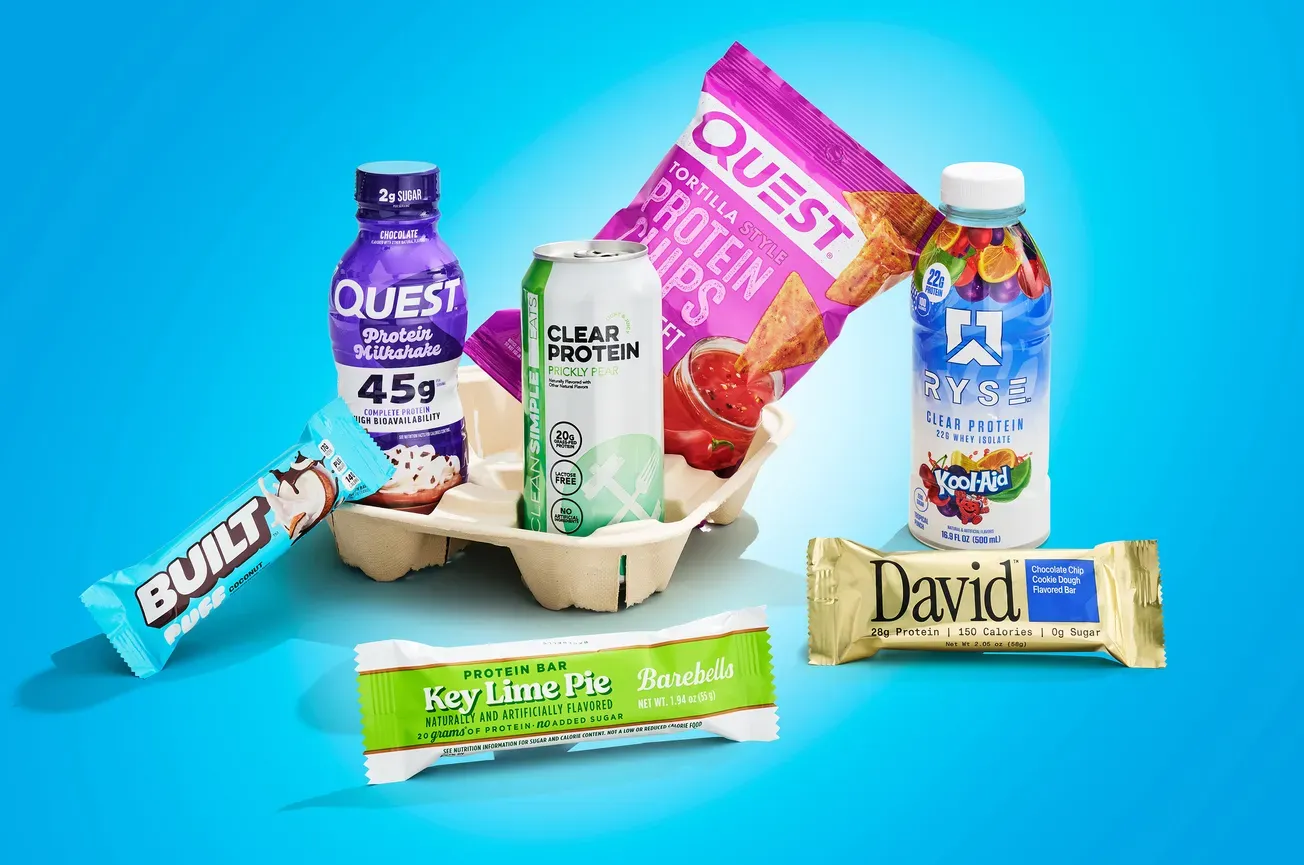
Now in its fourth year, the report combines proprietary sales and search insights from over 635 retail locations and vitaminshoppe.com.

The surge in vegan and vitamin-rich formulations is helping the category outpace other supplement delivery formats.

The U.S. leads in late-night snacking, often tied to emotional and functional needs.

AI is evolving from a useful tool to a trusted guide and personal shopper, prompting brands to rethink their presence in key moments.

“Bringing together Circana and NCS data, technology assets, and industry-leading expertise will deliver more value for our clients as we work with them to maximize every media and marketing dollar they spend.”

The report outlines the macroeconomic forces and emerging trends reshaping logistics worldwide based on a robust mix of data.

Voters overwhelmingly support modernizing supplement regulations.

In 2024, the logistics industry saw a return to pre-pandemic patterns in some areas, but it was also marked by flat business volumes, excess truck capacity and rising operational costs.

New deal democratizes access to data for beauty brands across U.S. and Canada.

Poll respondents criticized businesses for passing along higher costs, including capitalizing on tariffs to pad profits, while delivering poorer perceived quality.
The rebound was primarily fueled by enhanced consumer expectations following the May 12 announcement of a partial halt on tariffs targeting Chinese imports.