

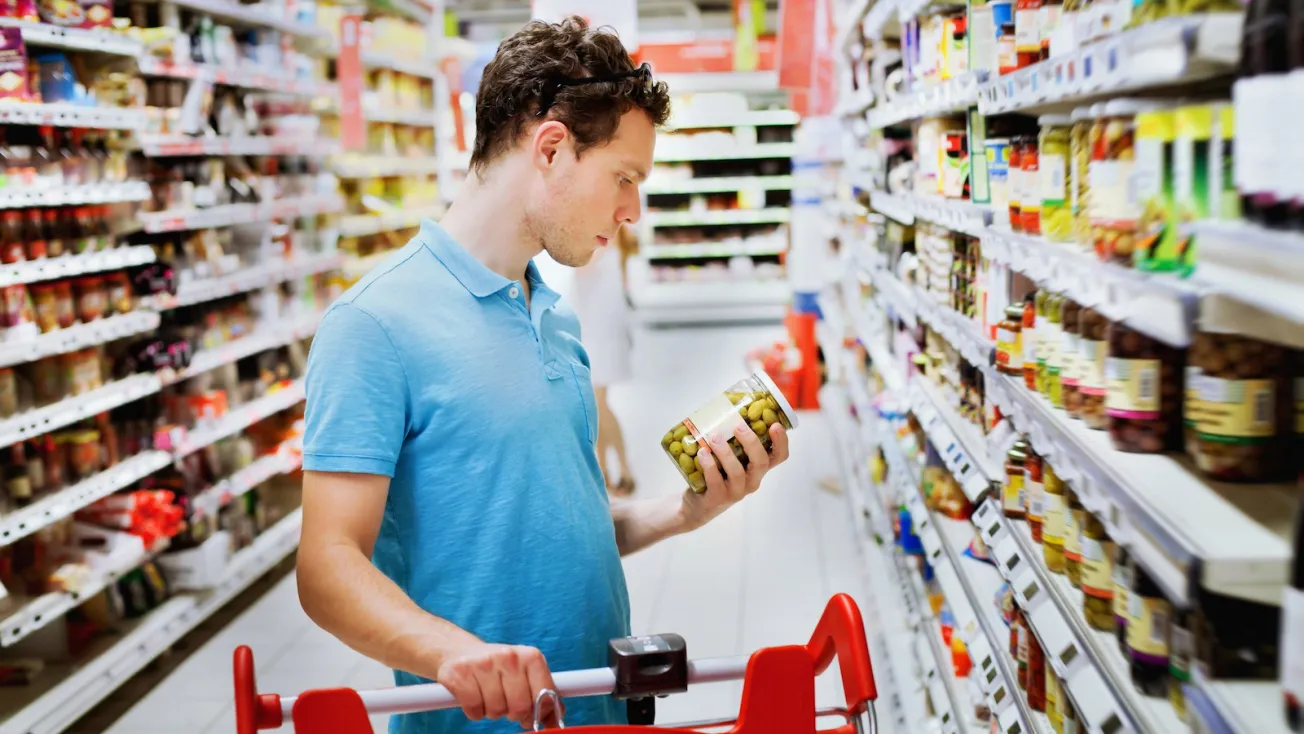
NielsenIQ reveals how shoppers are changing the retail game
Beyond shifting consumer behaviors, retailers are grappling with rising operational costs due to supply chain disruptions, transportation expenses, and labor shortages.
Beyond shifting consumer behaviors, retailers are grappling with rising operational costs due to supply chain disruptions, transportation expenses, and labor shortages.

“The paralyzing effects of economic uncertainty are starting to show up in short-term interruptions in discretionary consumer spending,” said Marshal Cohen, chief retail industry advisor at Circana.

This momentum highlights the impact of aggressive membership and subscription strategies, which have driven higher order frequency and customer retention.

The rapid rise in online consumer spending is outpacing growth in the media and entertainment sector.
Within the food category, egg prices surged 10.4% in February, bringing the 12-month increase to a staggering 58.8%

With digital transactions becoming the preferred method for most consumers, retailers that fail to modernize risk falling behind, says KPMG in a new report.
Despite a monthly decline, six of nine retail categories showed year-over-year gains, led by online sales, health and personal care stores, and general merchandise.
Spending on goods fell significantly, led by a $41.1 billion drop in motor vehicles and parts.

62% of consumers say better product information would reduce item returns.
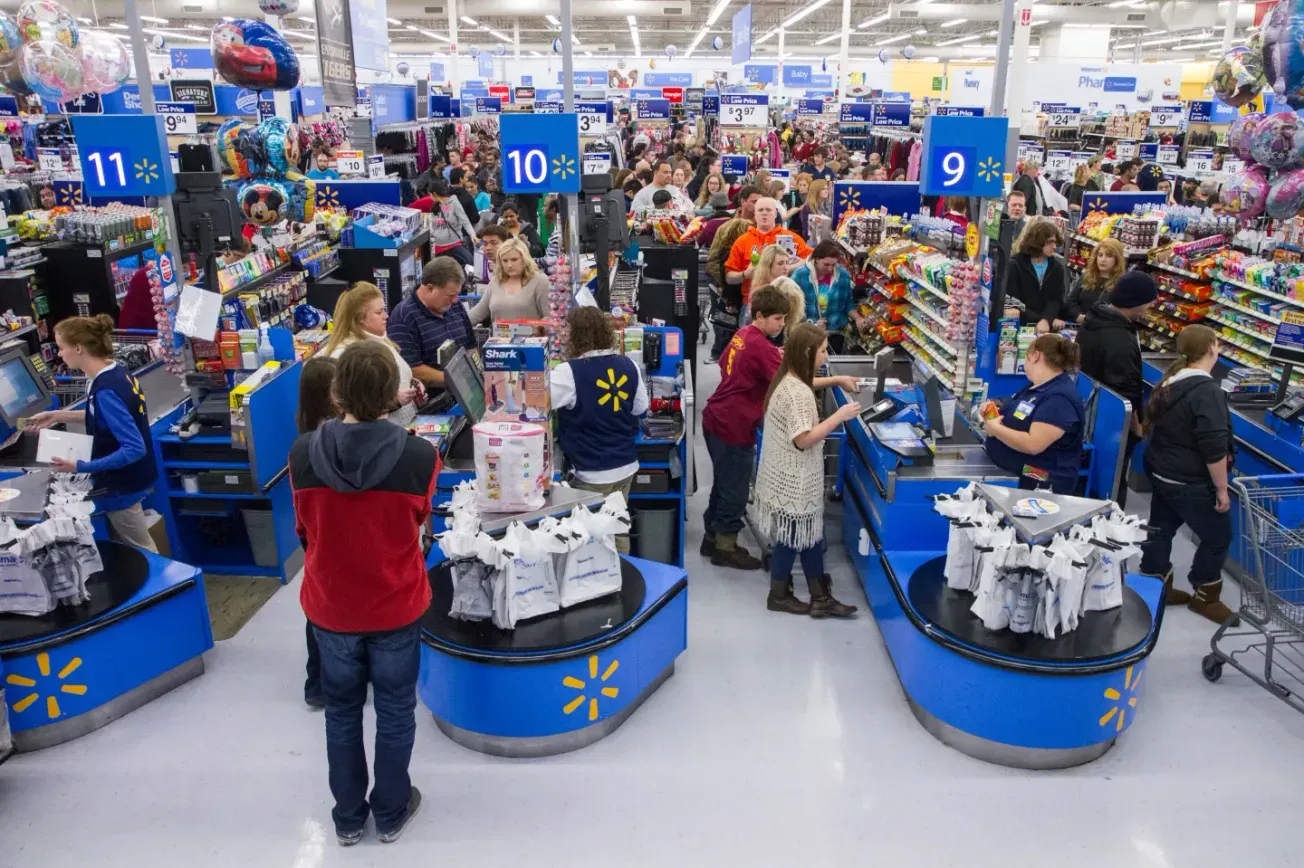
The company has previously warned that shifts in trade policy could negatively impact its business.

1 in 5 Americans describe recent purchases as "doom spending" due to future fears.

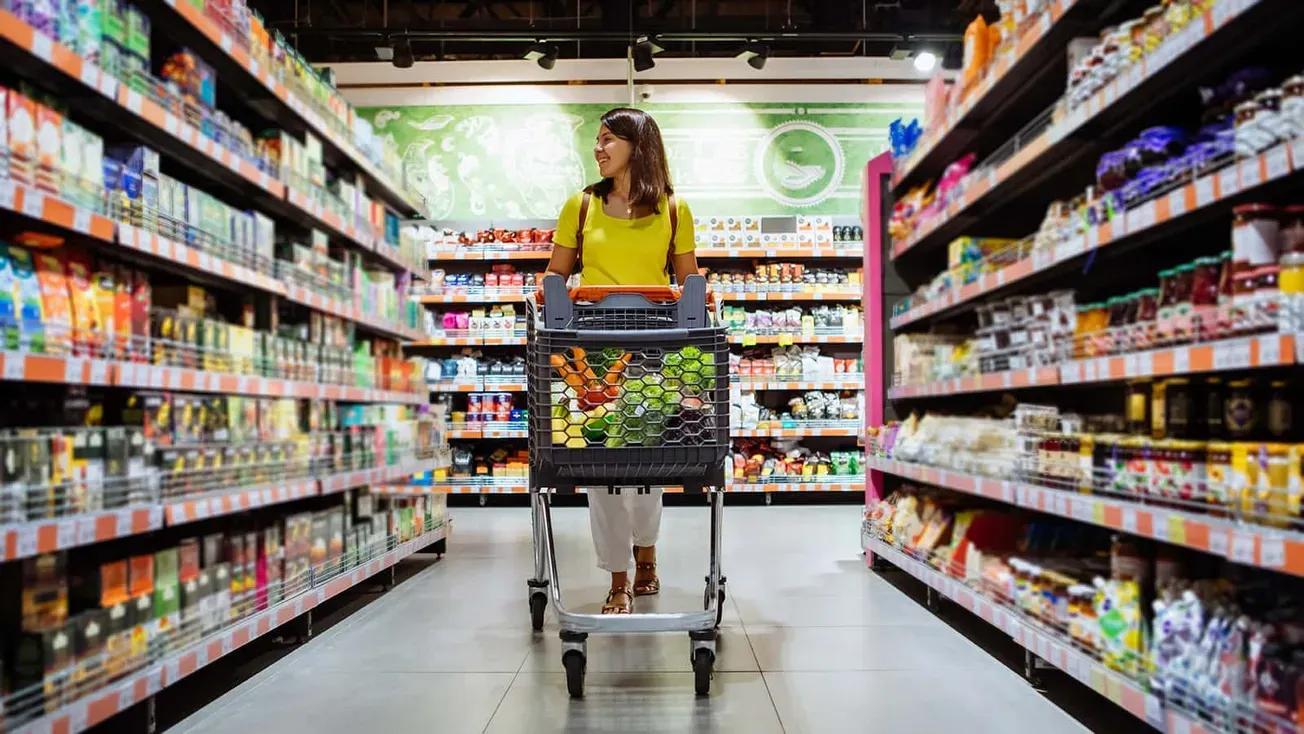
While total grocery spending grew just 2.5% yearly, online grocery sales outpaced it significantly.

According to the Census Bureau, overall retail sales in January declined 0.9% seasonally adjusted month over month.

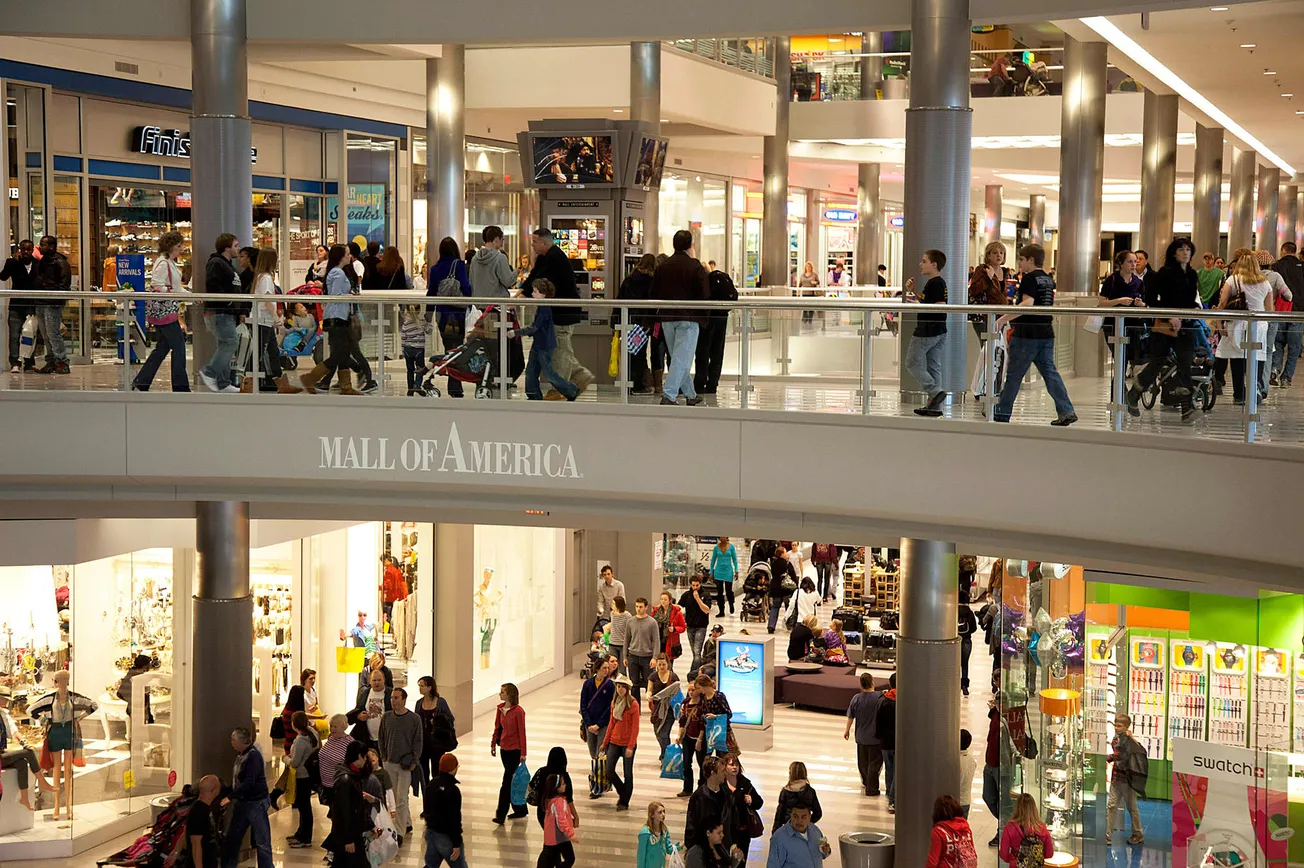
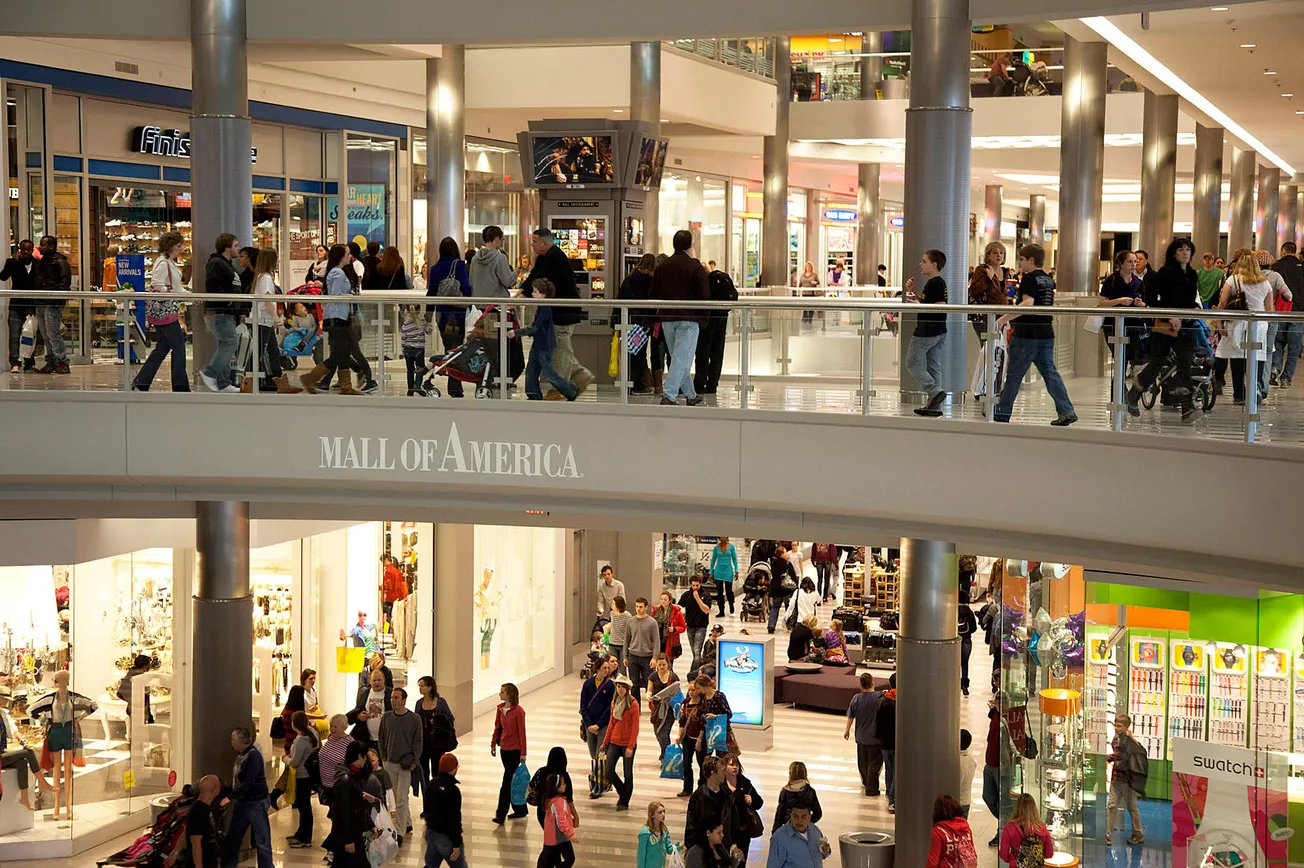
Shoppers are reshaping retail in 2025 due to shifting loyalty, rising DTC preferences, and growing skepticism toward AI.

Grocery prices are higher in some states, but residents in states with lower median incomes spend more of their paychecks on food.

Technavio’s latest study highlights the increasing role of artificial intelligence in reshaping the private-label food and beverage sector.