

BENTONVILLE, Ark. — Walmart is entering a new era, aiming to shed its discount-store stigma and redefine itself for high-income e-commerce shoppers. The shift comes as the retailer’s U.S. e-commerce division turned profitable for the first time in Q1 FY 2026, with online sales now accounting for one in every five dollars it rings up domestically.
This year, Walmart has been on a marketing push to reintroduce itself to consumers. In early 2025, it quietly refreshed its brand visuals with a thicker, bolder logo and modernized colors. In June, it launched its louder “Who knew?” campaign, featuring actors Walton Goggins and Stephanie Beatriz, to spotlight surprising premium items available on Walmart.com, from saunas to dancing shoes.
 MMR
MMR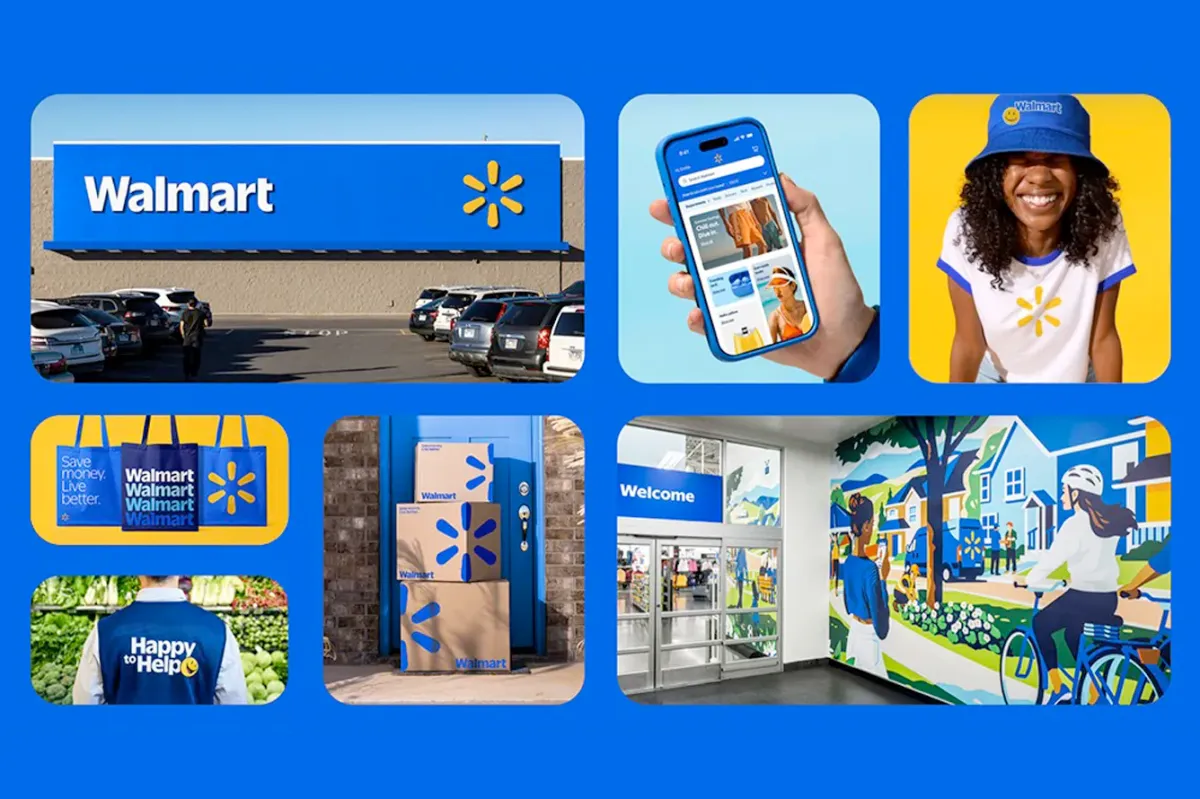
“Our new campaign is built around that exact moment—the double take, the eyebrow raise, the whoa, wait Walmart energy,” the company said.
Analysts say the campaign signals Walmart’s readiness to take on Amazon and Target directly, appealing to higher-income shoppers while emphasizing its digital convenience, expanding assortment, and competitive pricing.
 Thorvardur de Shong
The marketing push aligns with operational shifts that have transformed Walmart’s digital business. CFO John Rainey highlighted that leveraging 4,600 U.S. supercenters as same-day fulfillment hubs enables Walmart to reach 93% of households within 24 hours, driving down last-mile costs through route density, a logistical advantage Amazon still struggles to match outside coastal metros.
The company has also introduced <3-hour “Express” delivery windows, chosen by 30% of online buyers, which lift basket sizes by 25% after the fourth order while adding fee revenue.
Marketplace growth is another pillar: Walmart’s 160,000-seller marketplace fuels Walmart Connect’s advertising revenue, which rose 31% YoY in Q1 FY 2026, offsetting fulfillment costs and turning retail media into a margin driver.
 Jeffrey Woldt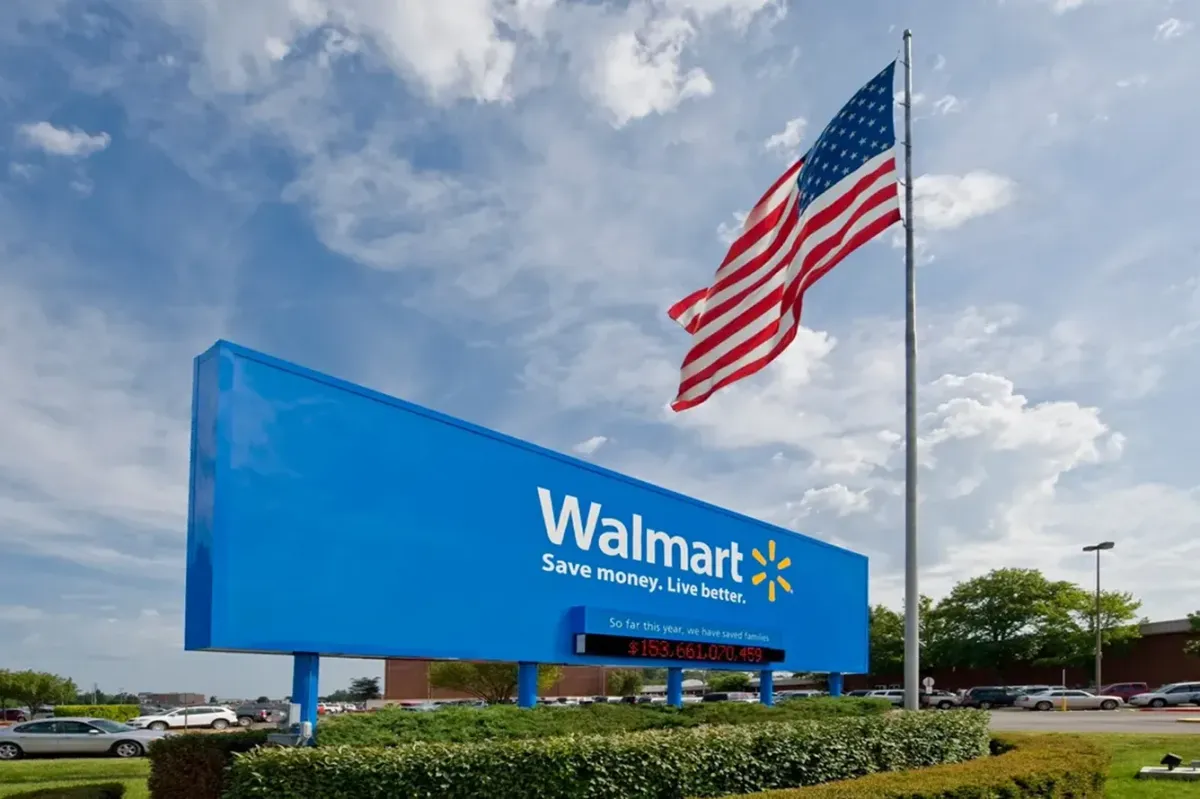
Walmart’s investment in automation is also paying off. Four next-generation U.S. fulfillment centers (in Illinois, Texas, Indiana, and New Jersey) now handle a growing share of volume, with half of FC throughput automated, reducing unit handling costs by around 20%. Rainey expects “more than 2× the benefit” as automation expands, while CEO Doug McMillon emphasized that the focus remains on “improving operating margins as we invest to serve customers even better.”
These operational efficiencies, combined with scale and high-margin ad revenues, have enabled Walmart to overcome a hurdle that has challenged grocery competitors: achieving profitable e-commerce at scale while maintaining low prices.
Walmart’s current success was not inevitable. The company’s “innovator’s dilemma” slowed its digital expansion for decades, with leaders wary of cannibalizing profitable stores to grow a margin-thin e-commerce business. Internal resistance and cautious investment led Walmart to miss early e-commerce opportunities, despite pioneering online selling experiments in the 1990s.
It was the COVID-19 pandemic that forced Walmart to embrace its store network for fulfillment, proving the value of proximity to customers. The retailer’s ability to deliver to five houses on a street, instead of one, turned volume density into a profit lever —a strategy that competitors are still struggling to replicate.
Walmart’s profitable e-commerce pivot shows that high-density fulfillment, paid speed tiers, and retail media can transform grocery e-commerce into a sustainable business. As it courts higher-income shoppers, expands its assortment, and leans on its store network, Walmart’s transformation offers an instructive tale for competitors navigating the evolving grocery e-commerce landscape.