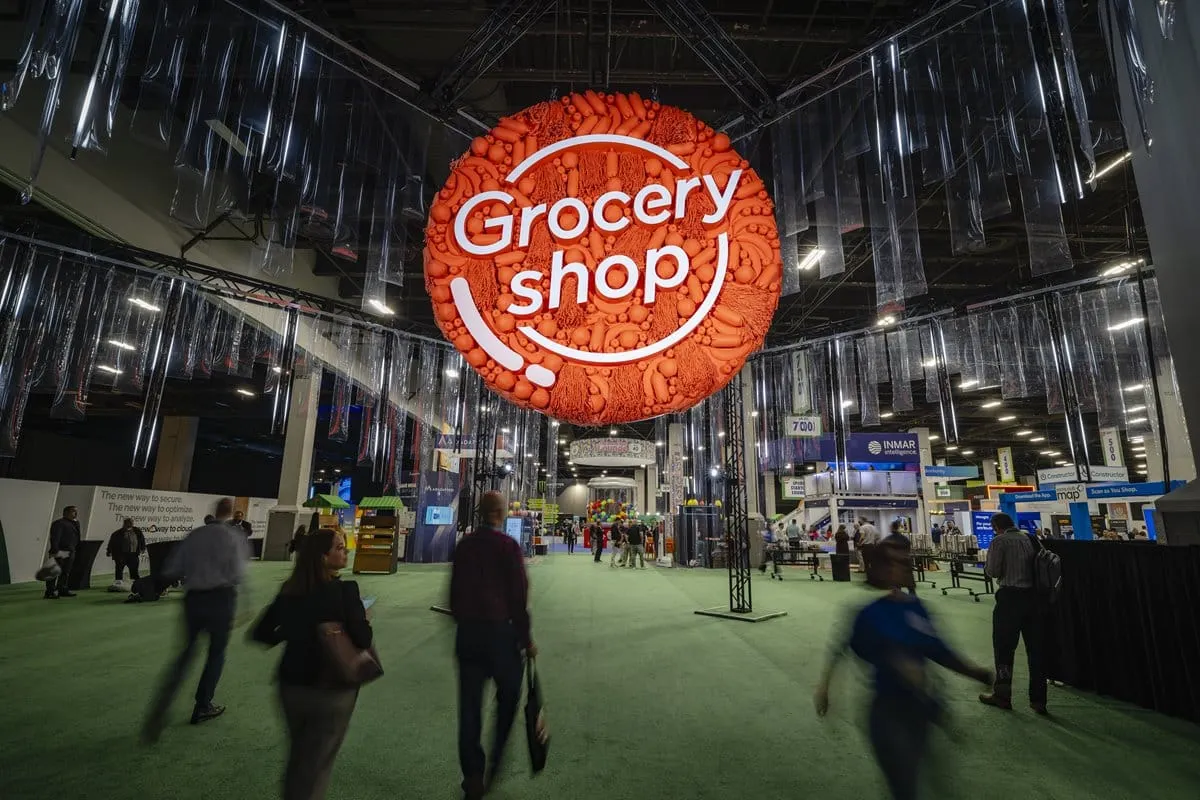

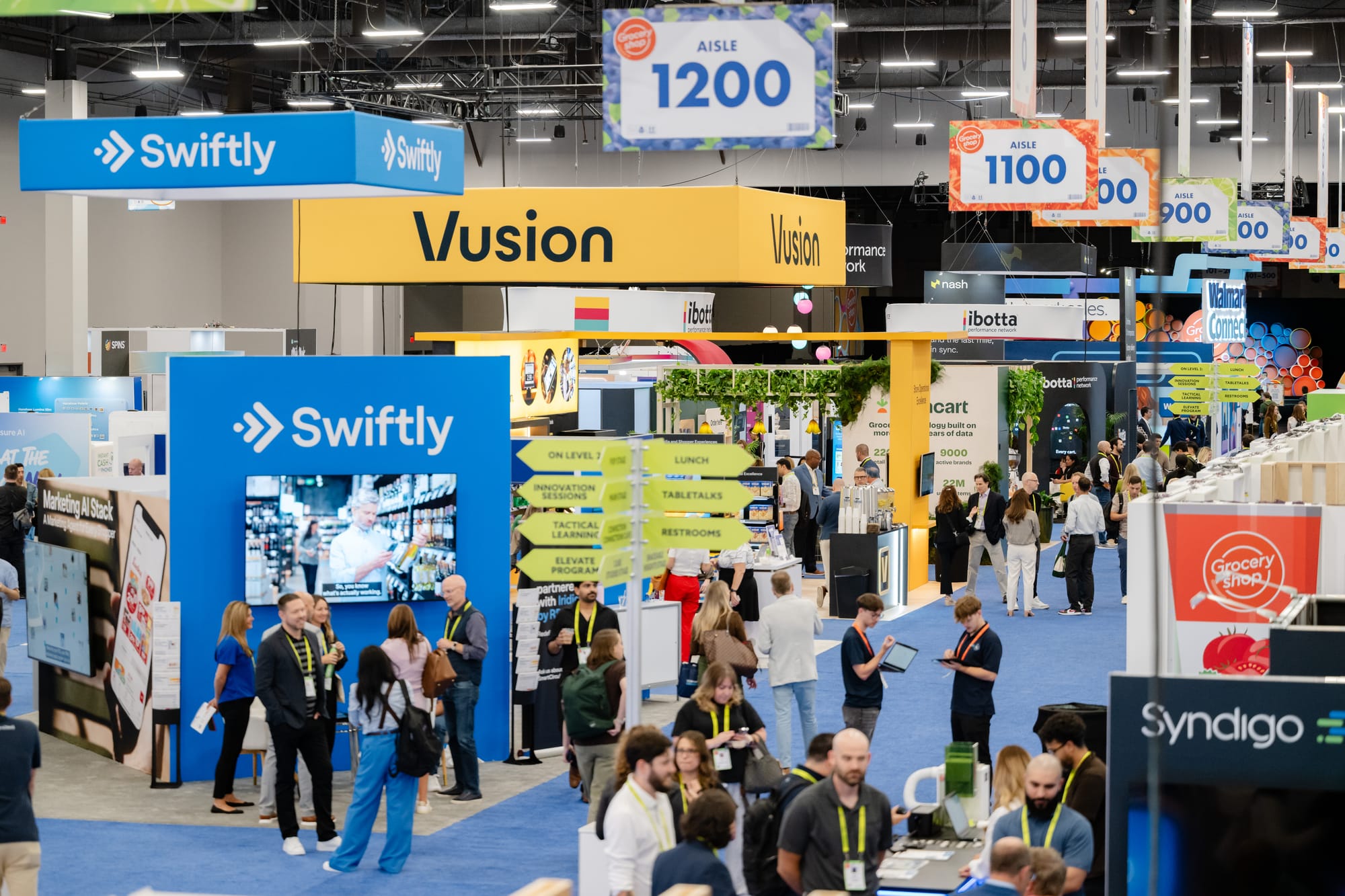
LAS VEGAS – Groceryshop 2026 wrapped up Thursday at Mandalay Bay after three days of packed sessions, executive discussions and deal-making that underscored just how quickly the grocery industry is changing.
The show drew more than 4,000 executives from across grocery, convenience, pharmacy, dollar and club retail, along with brands, technology vendors and startups. More than 30,000 business meetings were facilitated through Groceryshop's Meetup program, reflecting the event's growing role as a hub for industry networking and partnership building.
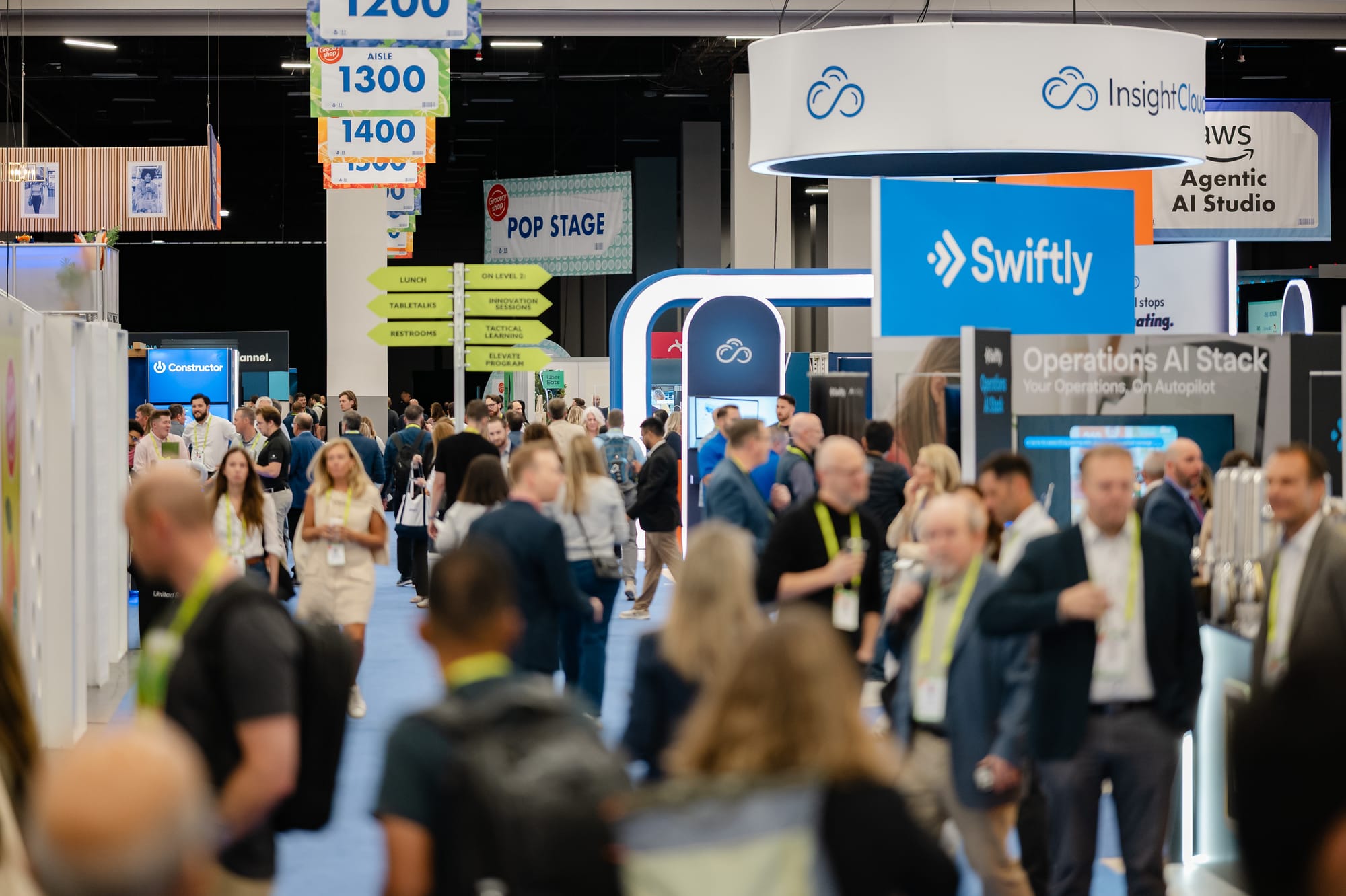
While previous editions of Groceryshop have explored emerging technologies and shifting consumer behaviors, this year's event felt different. Rather than discussing future possibilities, retailers and brands came to Las Vegas focused on how to adapt to changes already underway.
Across keynote presentations, panel discussions and hallway conversations, three themes consistently surfaced: the rise of AI-powered shopping, the evolution of value in an era of economic pressure and GLP-1 adoption, and the continued maturation of retail media networks.
Together, those trends are reshaping how consumers discover products, make purchasing decisions and interact with retailers.
Rocquan Lucas, VP of Content at Groceryshop, said: "What we heard at Groceryshop 2026 is that the average grocery shopping cart is about to change more in the next few years than it has in decades as shoppers lean on Al assistants to support their meal planning and cart building, become more selective with their purchases, and in the rise of GLP-1 adoption, shift what and how much they consume.
"That puts real pressure on grocers and brands to make their product data machine readable and deliver the right product and assortment for an evolving consumer, " he added.
AI Moves to the Center of the Shopping Journey
The most dominant topic at Groceryshop was artificial intelligence, and not simply as a back-office tool.
Industry leaders increasingly see AI becoming the first touchpoint in the consumer shopping journey, influencing what products shoppers see, what they buy and even how they build their baskets.
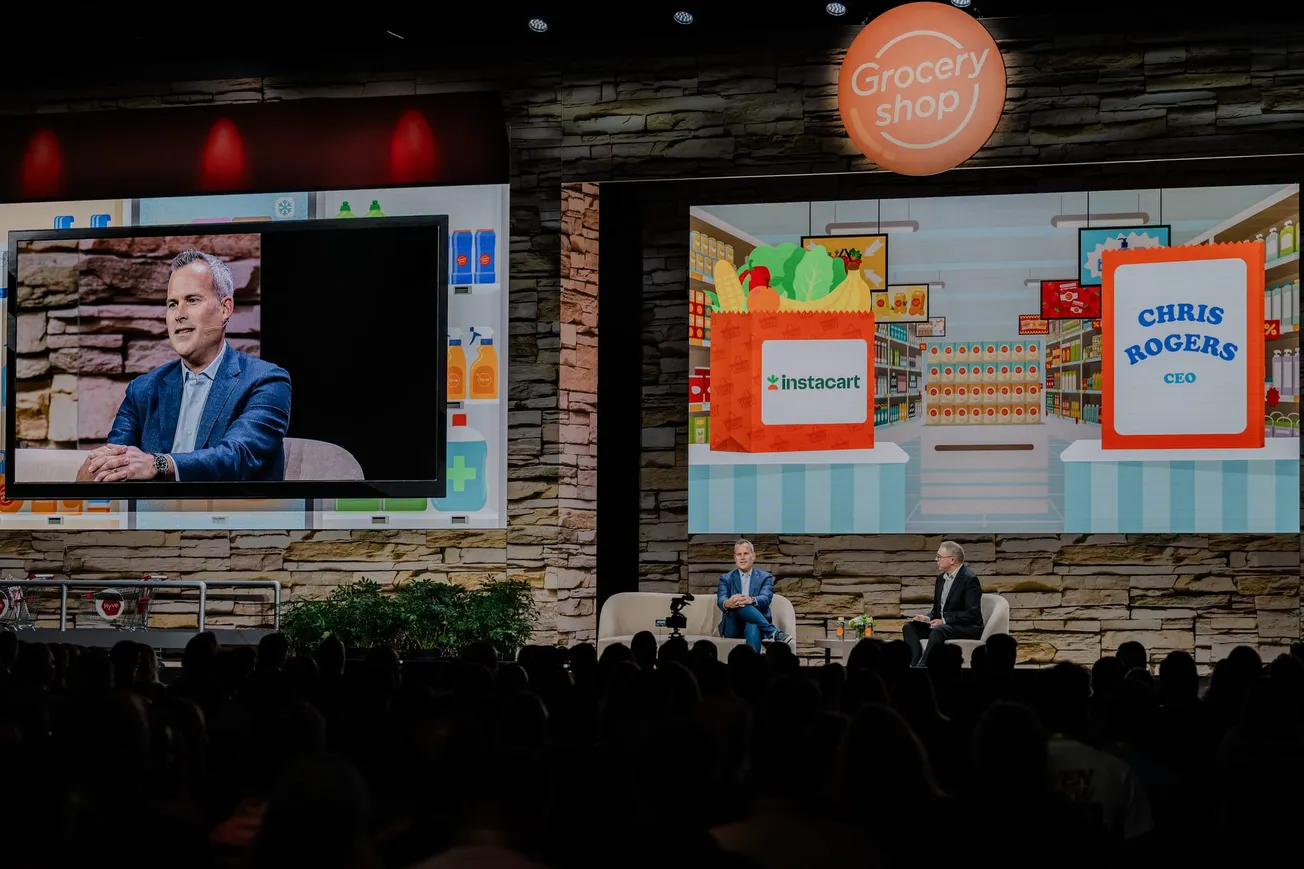
Instacart CEO Chris Rogers set the tone during the opening keynote, arguing that AI could represent the most transformative technology shift grocery has ever experienced.
Rather than manually building shopping lists item by item, Rogers described a future where consumers simply tell an AI assistant what they want. A shopper might request a week's worth of healthy family meals under a specific budget, and an AI agent would instantly generate a personalized cart based on preferences, pricing and product availability.
That vision was echoed by DoorDash co-founder Andy Fang, who positioned AI as a tool for reducing friction rather than replacing consumer choice. The goal, he said, is to help shoppers navigate an increasingly complex marketplace by understanding dietary restrictions, household needs and preferred brands.
Importantly, both executives backed their claims with early performance metrics. According to DoorDash, shoppers using its Ask DoorDash AI assistant are spending more, checking out faster and exploring a wider selection of products than traditional users.
The message for retailers was clear: AI is rapidly becoming a new gateway to commerce.
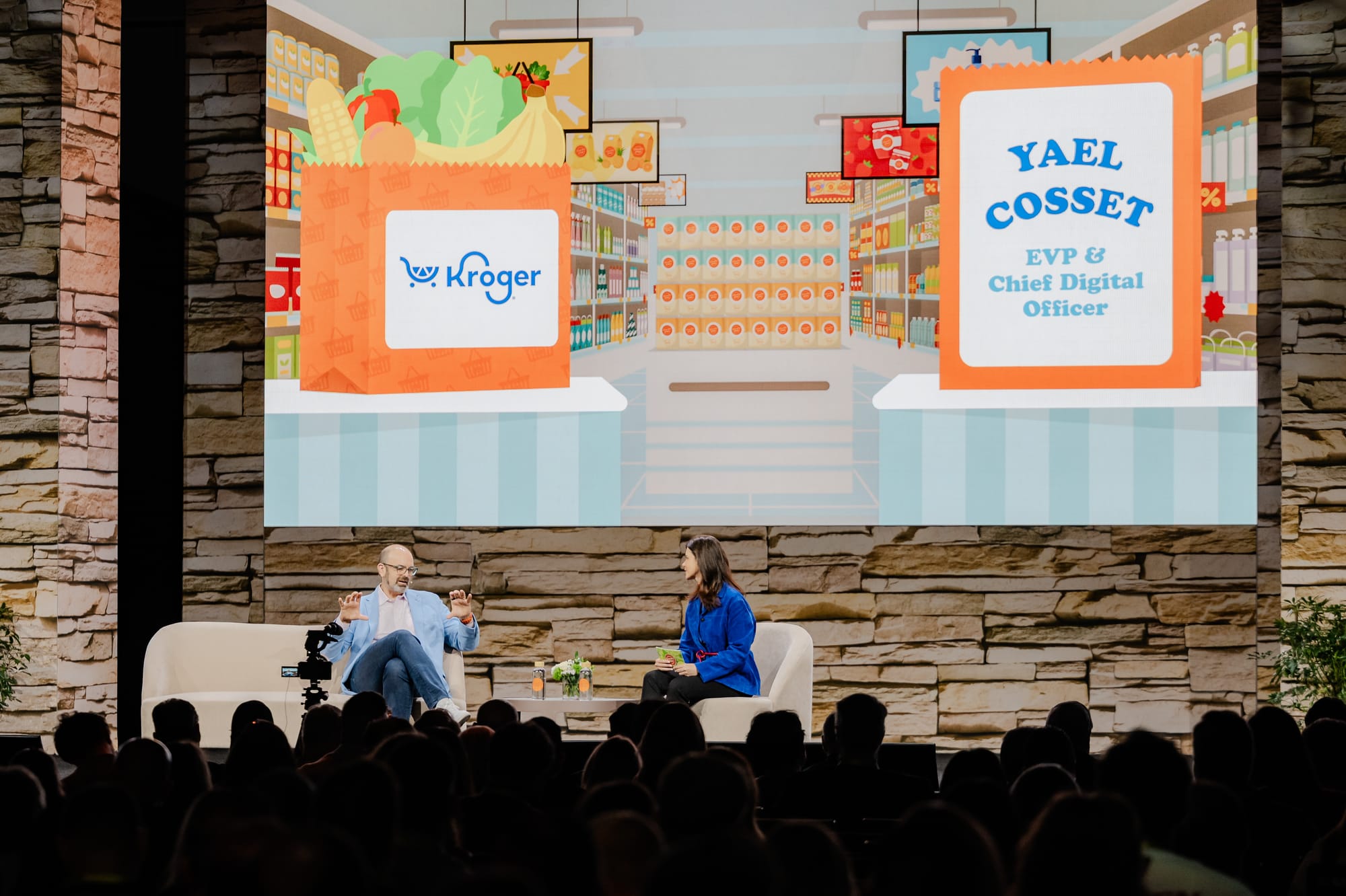
Retailers are also moving aggressively. Kroger detailed its AI initiatives, which include meal-planning tools tailored to budgets and dietary needs. Kroger's Chief Digital Officer, Yael Cosset outlined Kroger's Al strategy, from an Al Shopping Assistant that plans meals around budget and dietary needs to Al training for more than 400,000 associates. Dutch grocer Albert Heijn's in-app Al chef, Steijn, now has 1.1 million active users, who spend 56% more than non-users.
"The grocery winners in the age of Al will be the retailer who can earn our trust, your trust, all of our trust in satisfvinq the familv dinner," Cosset said.
 Bill Schiffner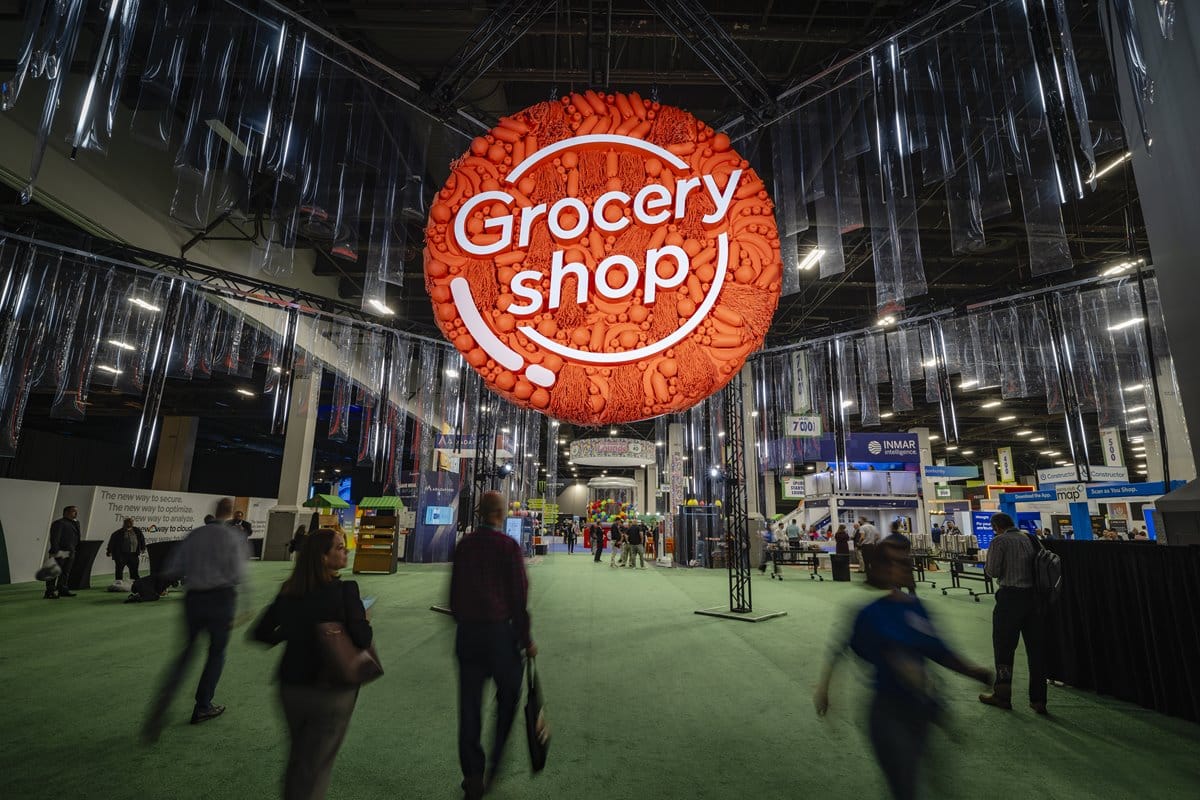
Several speakers emphasized that technology alone will not create competitive advantage. Success depends on the quality of underlying product information and customer data.
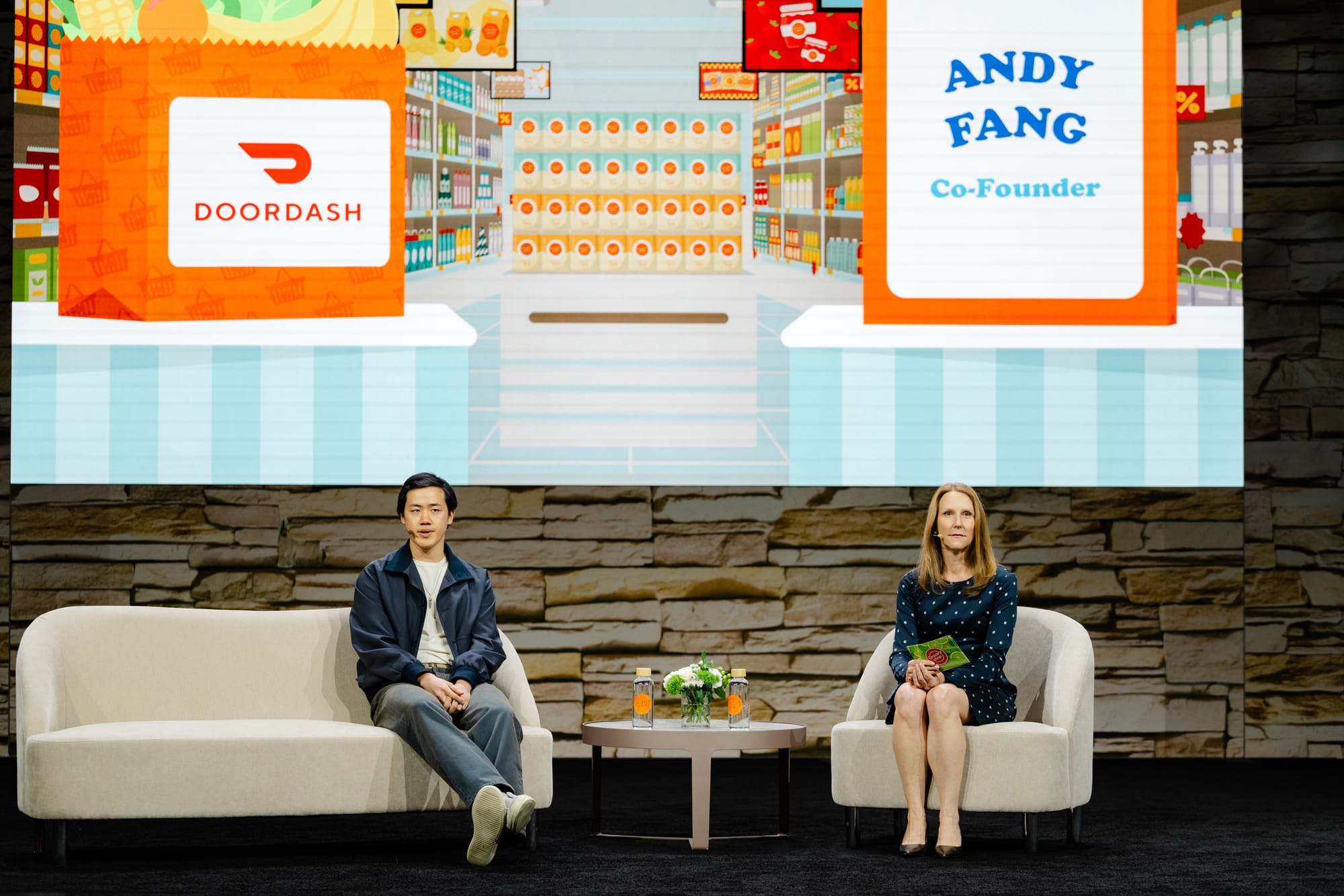
Fang delivered perhaps the most practical takeaway of the conference when he noted that nearly all customers prefer products with complete descriptions over those lacking sufficient information. In an AI-driven environment, product data becomes even more important because algorithms can only recommend and explain items based on the information available to them.
Research presented at the event reinforced that point. While enthusiasm for AI is widespread, only a small percentage of enterprises have successfully scaled AI initiatives across their organizations.
That reality produced one of the conference's most memorable insights: before retailers can fully embrace AI, they must first get their data foundations in order.
Value Is Being Redefined
The second major theme focused on consumers and the changing definition of value.
Retail executives and industry analysts repeatedly stressed that today's shopper is far more selective than the consumer of just a few years ago.
Economic pressures continue to influence purchasing decisions, even as inflation has eased from peak levels. According to NielsenIQ, one-third of U.S. households now qualify as financially stretched, a figure that has increased significantly since 2022.
As a result, consumers are not merely searching for discounts. They are strategically assembling baskets that maximize value across price, convenience, nutrition and overall household needs.
Nicole Collida of NielsenIQ summed up the trend succinctly when she noted that consumers are no longer hunting for deals but assembling them.
At the same time, another force is reshaping food consumption patterns: the continued expansion of GLP-1 medications.
Multiple speakers highlighted growing demand for protein-rich products, healthier options and foods with cleaner ingredient labels as consumers using weight-management drugs rethink eating habits.
Talia Monroe of Chobani argued that consumers are spending more money on fewer calories and reducing purchases of highly processed foods. Unilever Wellbeing CEO Jostein Solheim similarly described GLP-1 adoption as one of the most significant health-related shifts affecting food purchasing behavior.
The discussion generated substantial interest among retailers and manufacturers seeking to understand how changing appetites will influence assortment planning.
One retailer receiving considerable attention was Sam's Club. Chief Merchant Myron Frazier emphasized that value extends beyond product pricing. The company is applying value-focused thinking to services such as delivery, checkout and meal solutions while maintaining consistent pricing across digital and physical channels.
That broader interpretation of value resonated with attendees because it reflects how consumers increasingly evaluate retailers. Convenience, speed and service quality are becoming just as important as price.
Retail Media Continues to Evolve
The third major theme was retail media, which has shifted from an emerging opportunity to a core component of retailer growth strategies.
Industry analyst Andrew Lipsman argued that physical stores remain significantly under-monetized advertising environments. Shoppers spend meaningful time inside stores, yet brands dedicate only a small portion of media budgets to in-store channels.
Examples shared during the conference suggest that is beginning to change.
CVS Media Exchange highlighted several successful in-store initiatives involving digital screens and point-of-sale advertising. Those efforts demonstrated how retailers can leverage existing store traffic to attract advertising dollars while influencing purchase decisions closer to the point of sale.
Despite ongoing momentum, measurement remains a significant challenge.
Research previewed by EMARKETER and Bain revealed that many retail media executives still lack confidence in determining whether revenue is truly incremental. Brands share similar concerns, with relatively few saying they can accurately measure return on investment.
The rise of AI is simultaneously creating new opportunities and new uncertainties.
Some executives worry AI could fundamentally alter how advertising inventory is purchased and optimized. Others view AI as the next major growth engine for retail media, enabling improved targeting, creative formats and measurement capabilities.
Most networks appear to be betting on the latter. Many are already testing AI-powered advertising solutions and exploring new monetization strategies.
The strongest message came from Procter & Gamble's Jacques Hagopian, who argued that retail media works best when integrated into broader business planning. Media, merchandising, inventory management and supply chain coordination must work together to drive sales growth.
That perspective reflects how retail media has matured. It is no longer viewed solely as an advertising product but as part of a larger commercial strategy.
Key Announcements and Final Takeaways
The conference also generated several notable announcements.
Instacart revealed a partnership with Gopuff that will bring Gopuff onto the Instacart Marketplace while expanding access to Instacart's Carrot Ads platform. DoorDash unveiled Brand Center, a new platform designed to provide brands with deeper insights into performance across digital and physical commerce channels. Kroger further outlined its long-term vision for AI-enabled grocery experiences, while California Pizza Kitchen announced plans for a frozen appetizer line developed with Golden West Food Group.
As Groceryshop 2026 concluded, the industry's direction appeared increasingly clear.
AI is rapidly becoming the front door to grocery shopping. Consumers are redefining value around health, convenience and affordability. And retail media is evolving into a strategic business capability rather than simply an advertising channel.
For retailers and brands, the challenge now is execution. The ideas discussed in Las Vegas are no longer distant possibilities. They are becoming competitive necessities.
If Groceryshop 2026 revealed anything, it is that the next grocery revolution will not happen in stores alone. It will occur at the intersection of data, technology and changing consumer expectations. And judging from the conversations at Mandalay Bay this week, that transformation is already well underway.
Submit Your Press Release
Have news to share? Send us your press releases and announcements.
Send Press Release