
JACKSONVILLE, Fla. — New research from Acosta Group highlights how the rapid adoption of GLP-1 receptor agonists is influencing far more than weight loss, triggering a broader “halo effect” that is reshaping consumer behavior across grocery, foodservice, health and beauty, and omnichannel retail.
The study, conducted ahead of the National Association of Chain Drug Stores Annual Meeting, finds that consumers using GLP-1 medications are making measurable changes to their purchasing habits, lifestyle choices and engagement with brands.
Acosta’s findings show a clear pivot toward healthier food choices. Among GLP-1 users, 55% report buying more fresh produce, while purchases of yogurt, fresh chicken and protein-focused products are also rising. At the same time, consumers are pulling back on indulgent categories, with fewer sweets, salty snacks and sugary beverages making it into shopping carts.
The impact extends beyond the individual. Nearly half of respondents say their healthier habits are influencing their entire household, reinforcing the idea that GLP-1 adoption is driving broader category-level change rather than isolated behavior shifts.
Younger consumers are at the center of this transformation. Gen Z and Millennials are emerging as leading indicators, showing stronger engagement with wellness-driven products and setting the tone for future demand. These cohorts are prioritizing high-protein, high-fiber and functional nutrition products, signaling where retailers and brands should focus innovation.
The “halo effect” is also evident in personal care. Many users report improved confidence and increased motivation to invest in appearance-related products. Demand is rising for targeted solutions in skincare, body care and hair care, particularly those tied to hydration, elasticity and overall wellness benefits.
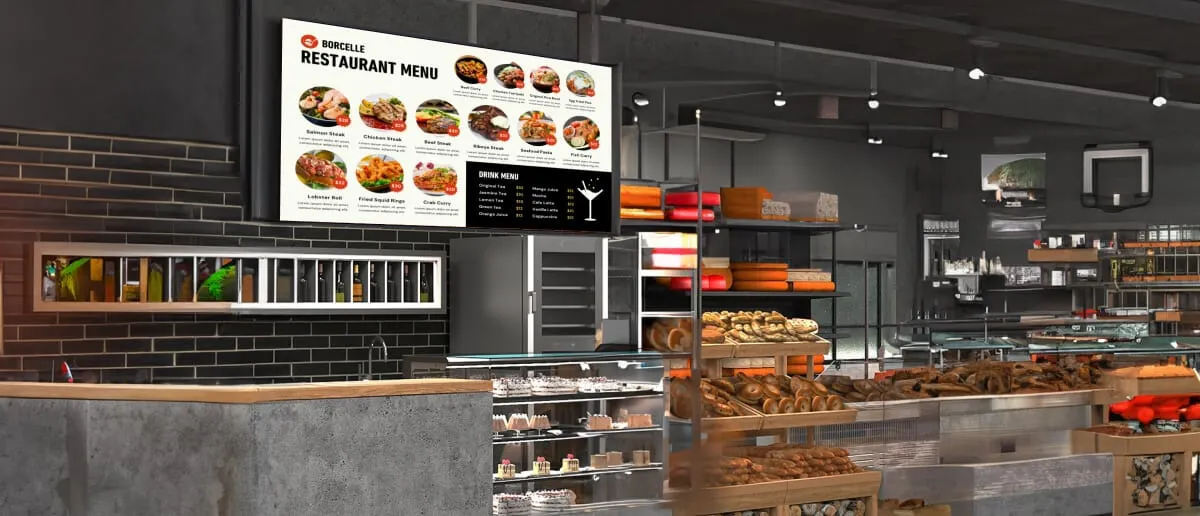
In foodservice, the data points to a more nuanced shift. While some consumers are dining out less, younger GLP-1 users are maintaining or even increasing restaurant visits, but with different behaviors. Smaller portions, shared meals and a focus on nutrient-dense options are becoming more common, pushing restaurants to rethink menu design.
Digital engagement is another critical piece of the trend. A majority of GLP-1 consumers are actively researching products and health information, with Gen Z and Millennials relying heavily on social media, AI tools and retailer platforms. This shift is accelerating the need for integrated, omnichannel content strategies that meet consumers where they are.
For retailers, the implications are significant. The research suggests that GLP-1 adoption is not creating entirely new behaviors but accelerating existing wellness trends, effectively raising the baseline for what consumers expect across categories.
As usage continues to grow, the report underscores a clear directive: retailers and brands that align assortments, messaging and innovation pipelines with these evolving preferences will be best positioned to capture long-term growth.
Submit Your Press Release
Have news to share? Send us your press releases and announcements.
Send Press Release