
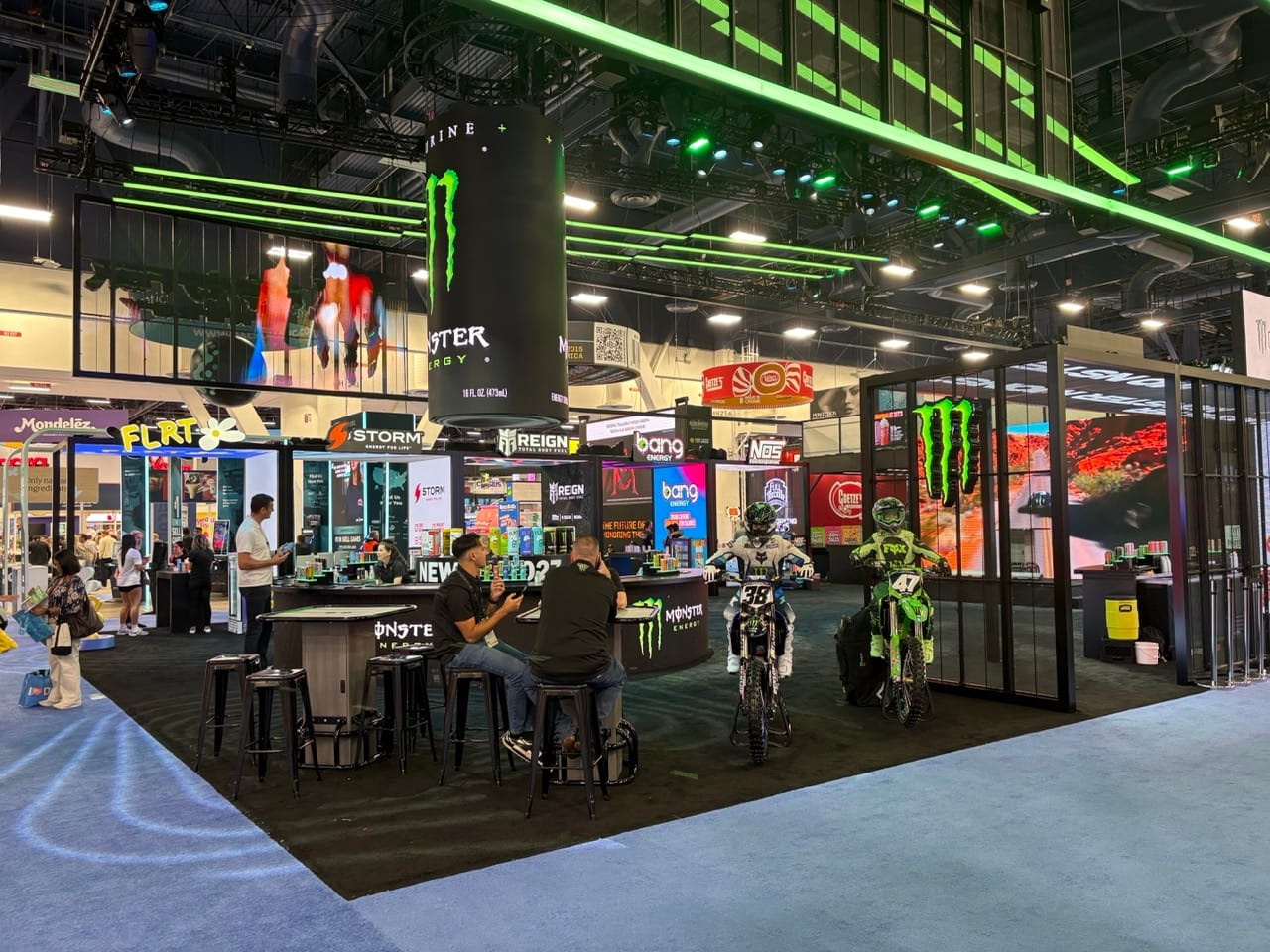
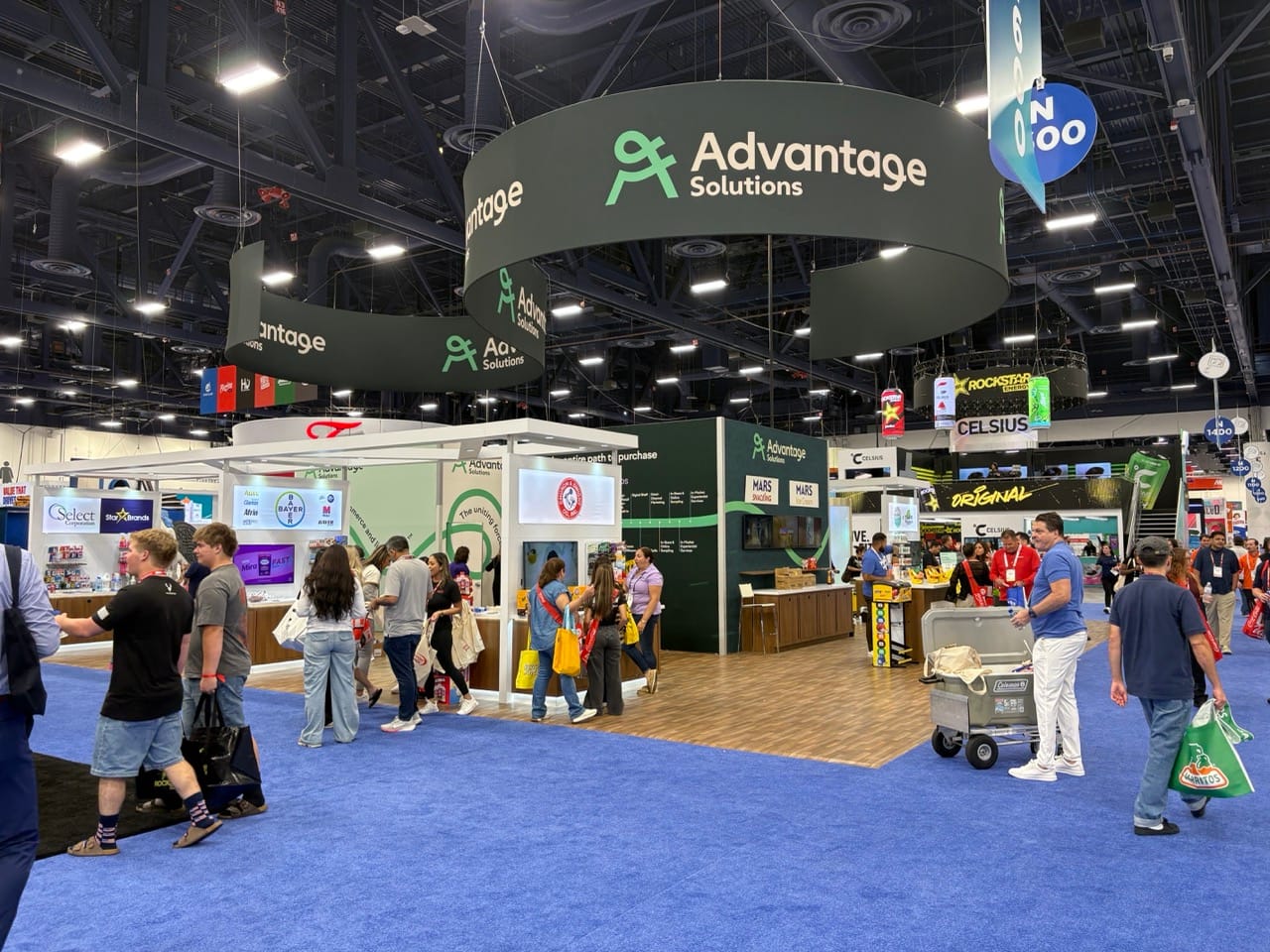
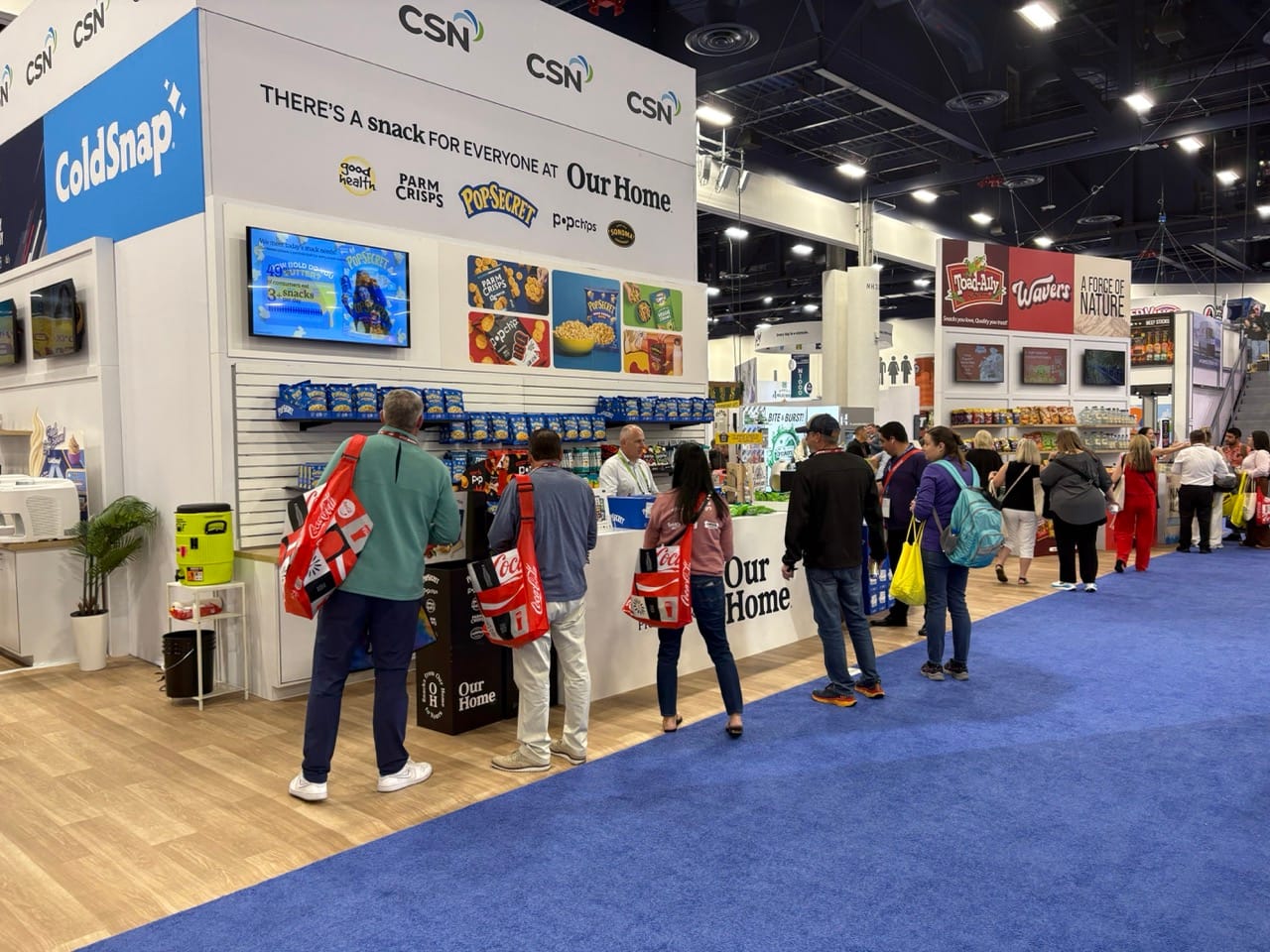
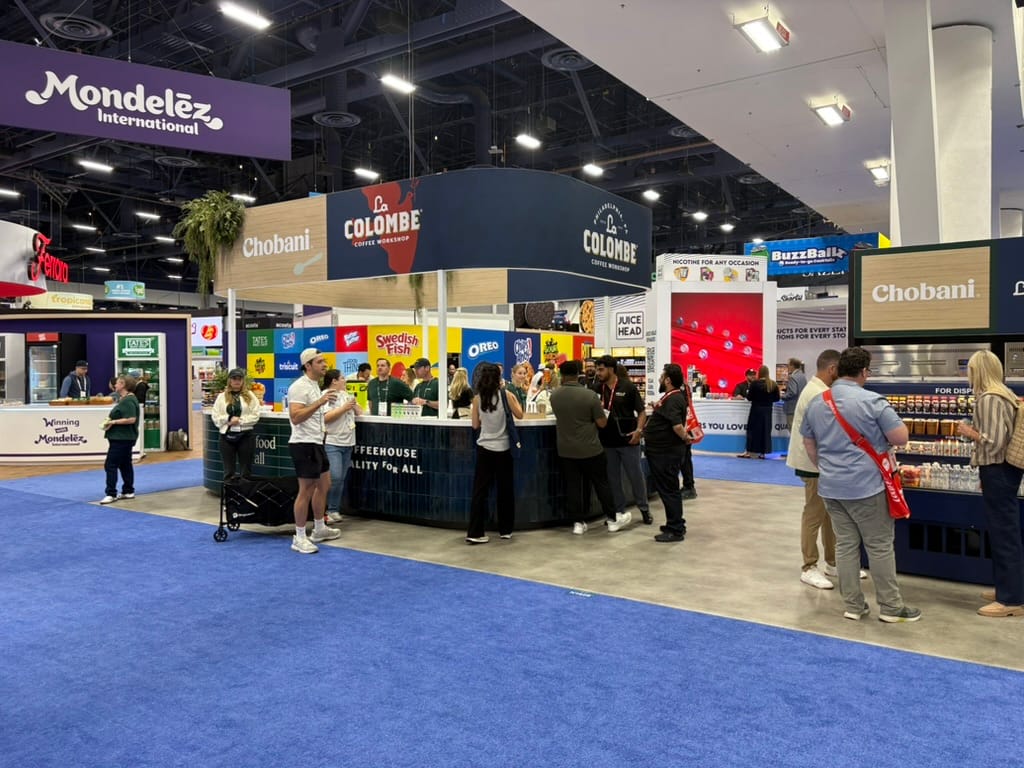
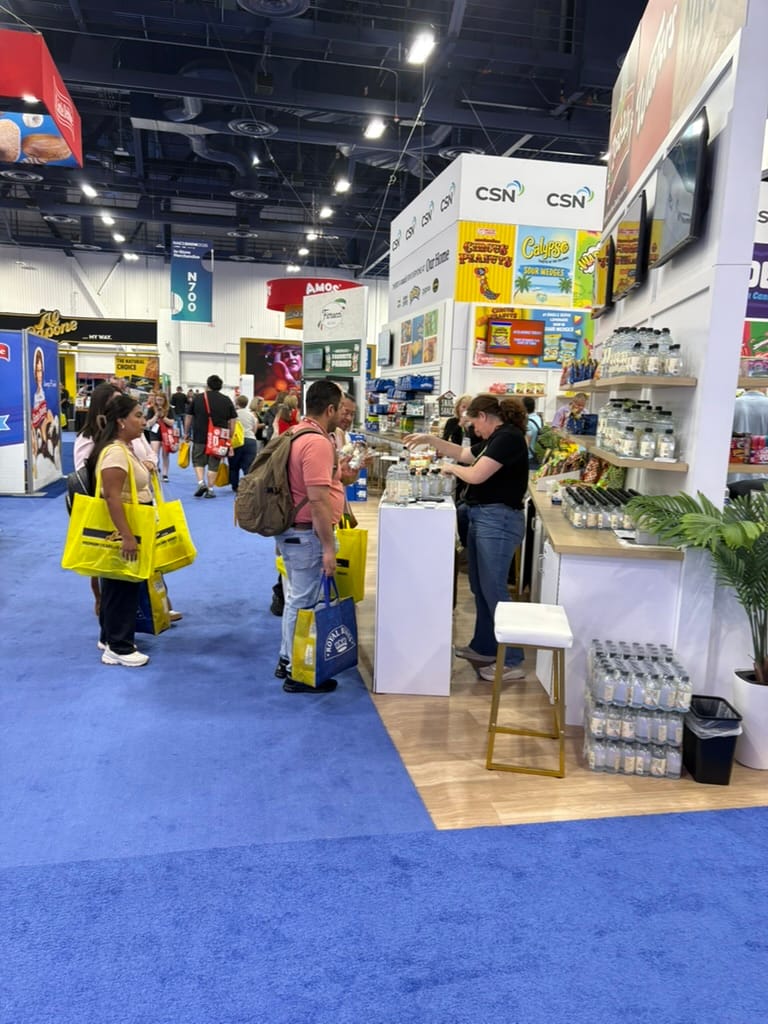
LAS VEGAS — By Thursday and Friday at the NACS Show, some of the biggest trends shaping convenience retail had become clearer on the Expo floor.
Foodservice continued to command attention, suppliers pushed new approaches to protein and better-for-you products, and retailers encountered an expanding assortment designed to capture occasions that once belonged more firmly to restaurants or to grocery stores.
 Thorvardur de Shong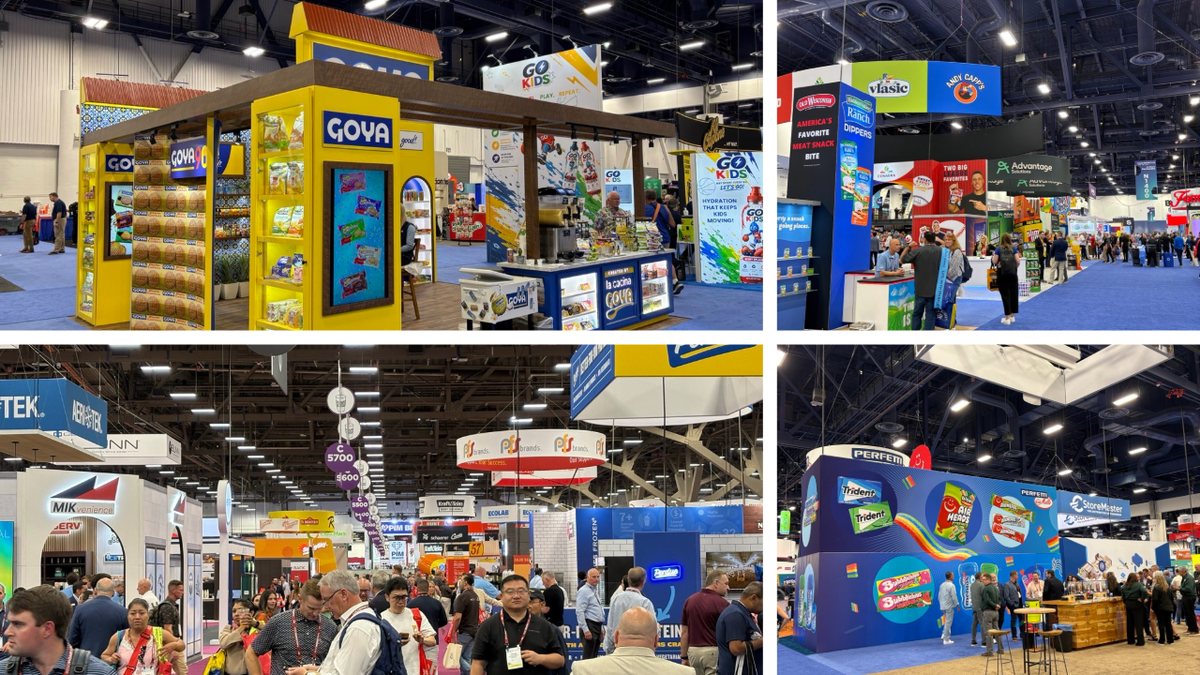
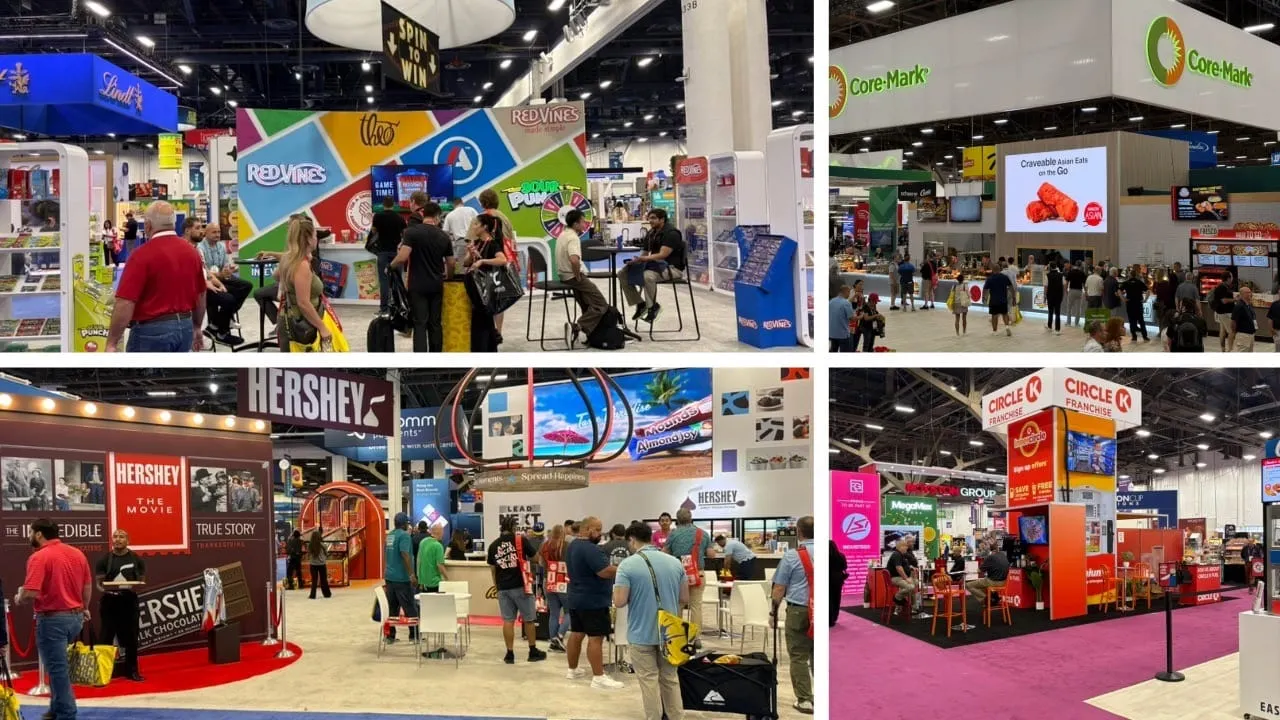
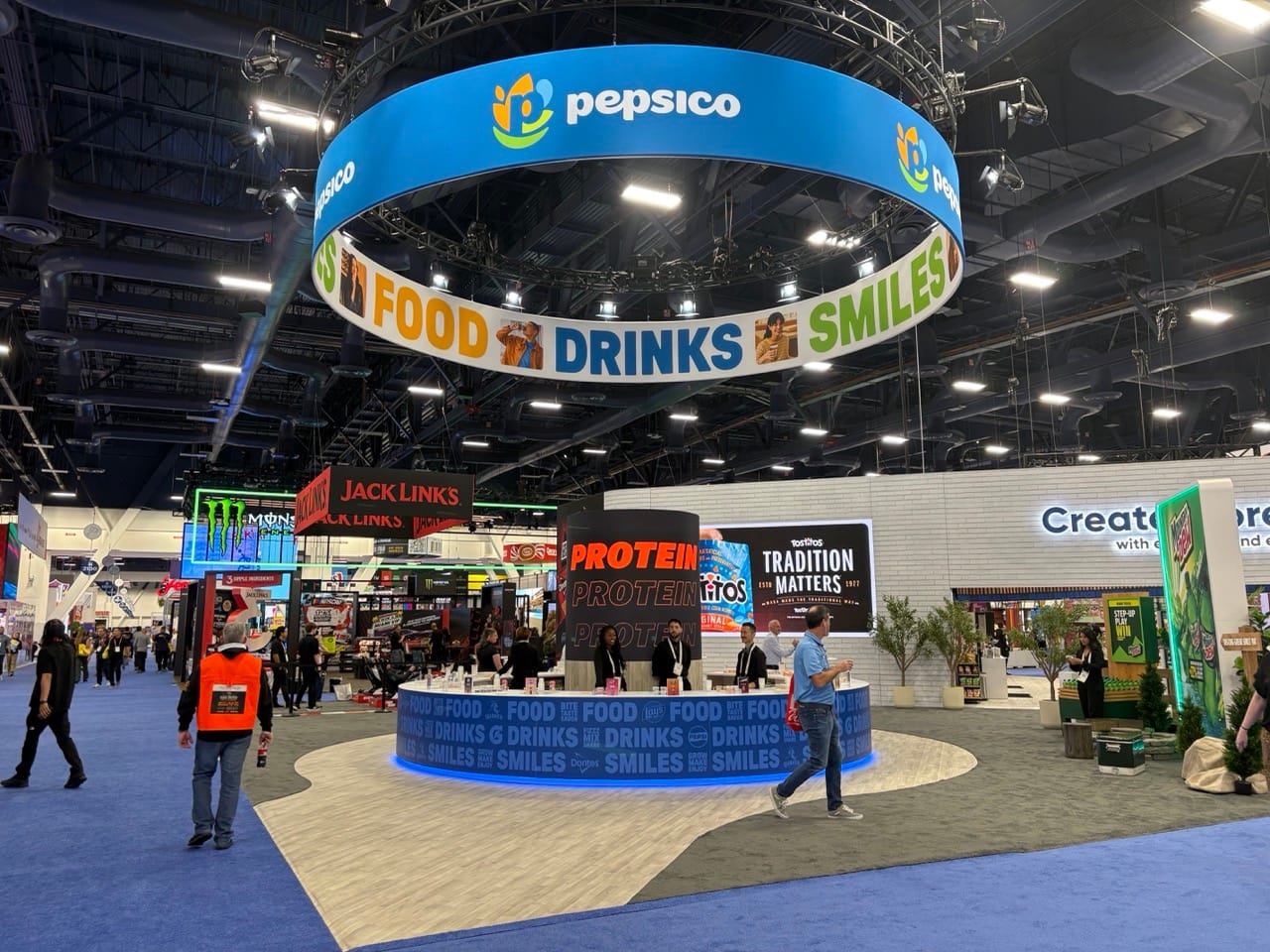
The show’s scale reflected the industry’s breadth and diversity. NACS reported 25,572 attendees from 74 countries at the Oct. 6-9 event, more than 400 above last year and the second-highest attendance in the show’s history. Attendance has now topped 25,000 for three consecutive years.
The 442,600-net-square-foot Expo featured 1,090 exhibitors, including 173 in the New Exhibitor Area.
Yet walking that expansive floor also made it clear what wasn’t dominating the conversation.
Artificial intelligence was one example. AI appeared in education sessions and in technologies designed to improve areas such as pricing, operations, and customer insights, but it did not dominate exhibitor messaging.
The same was true of GLP-1 drugs. Products positioned around shifting eating habits and demand for protein reflected some of the consumer shifts associated with GLP-1 use, but explicit GLP-1 messaging was less prominent on the floor.
The broader business conversation also shifted notably compared with last year’s NACS Show. Tariffs and the uncertainty surrounding them were a recurring topic in 2025, as companies tried to understand what changing trade policy could mean for costs, sourcing and pricing. That lack of clarity was far less evident this year. Tariffs were not a defining theme at the 2026 show, as they had been a year earlier.
Instead, many exhibitors focused on more immediate retail opportunities: food, beverages, merchandising, store operations and technology that could demonstrate a practical return.
That was particularly evident in foodservice.
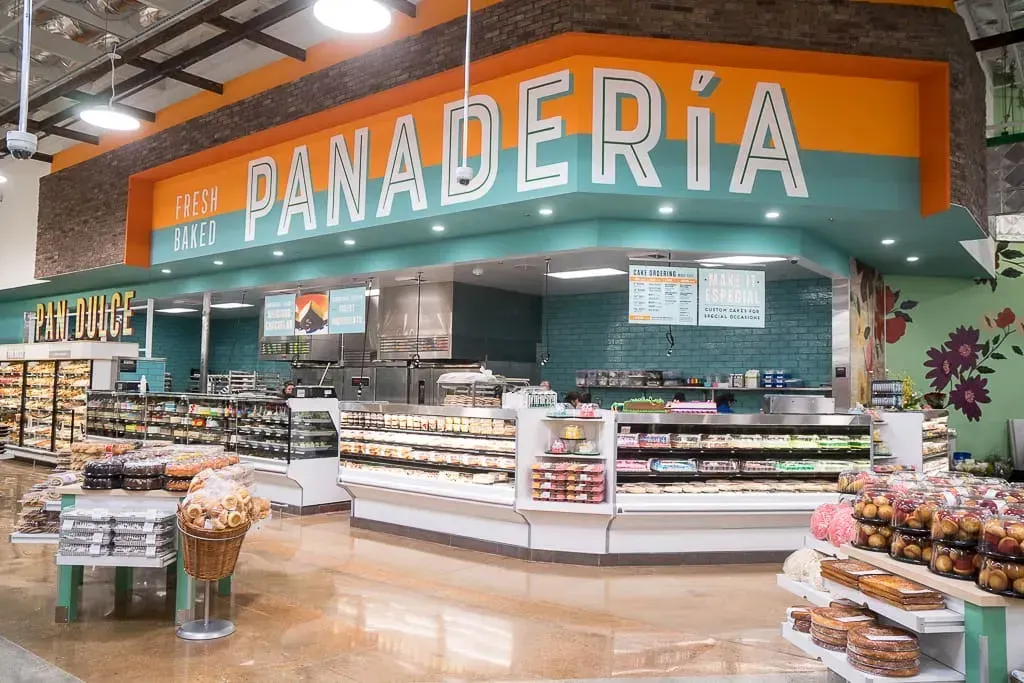
Prepared food has become an increasingly important part of the convenience business, and suppliers across the floor showcased products designed to give retailers more opportunities throughout the day. The assortment increasingly puts c-stores in competition not only with other convenience retailers but also with quick-service restaurants and grocery stores.
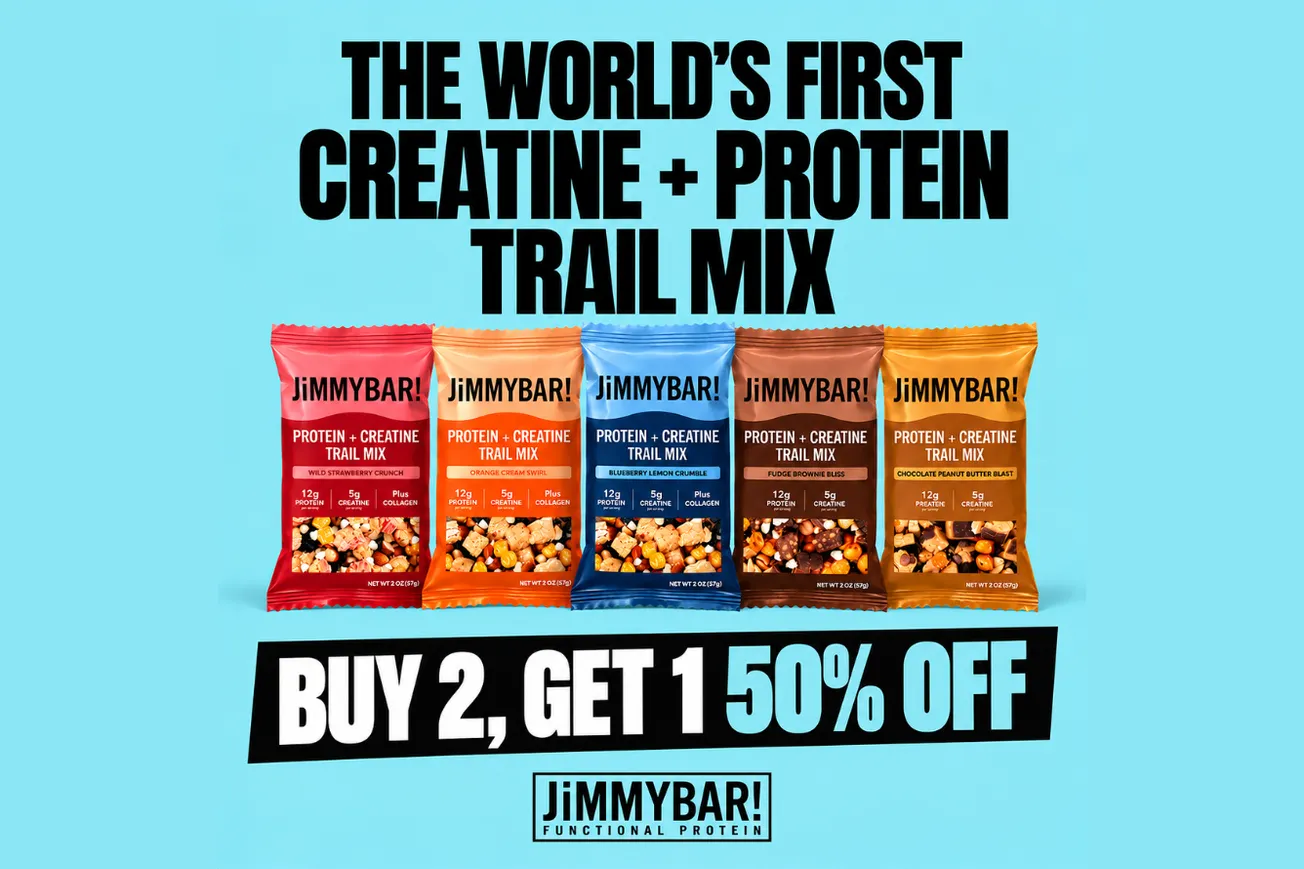
Protein was another recurring theme. It appeared well beyond the traditional protein bar or shake, extending into snacks, breakfast products, bakery, and beverages.
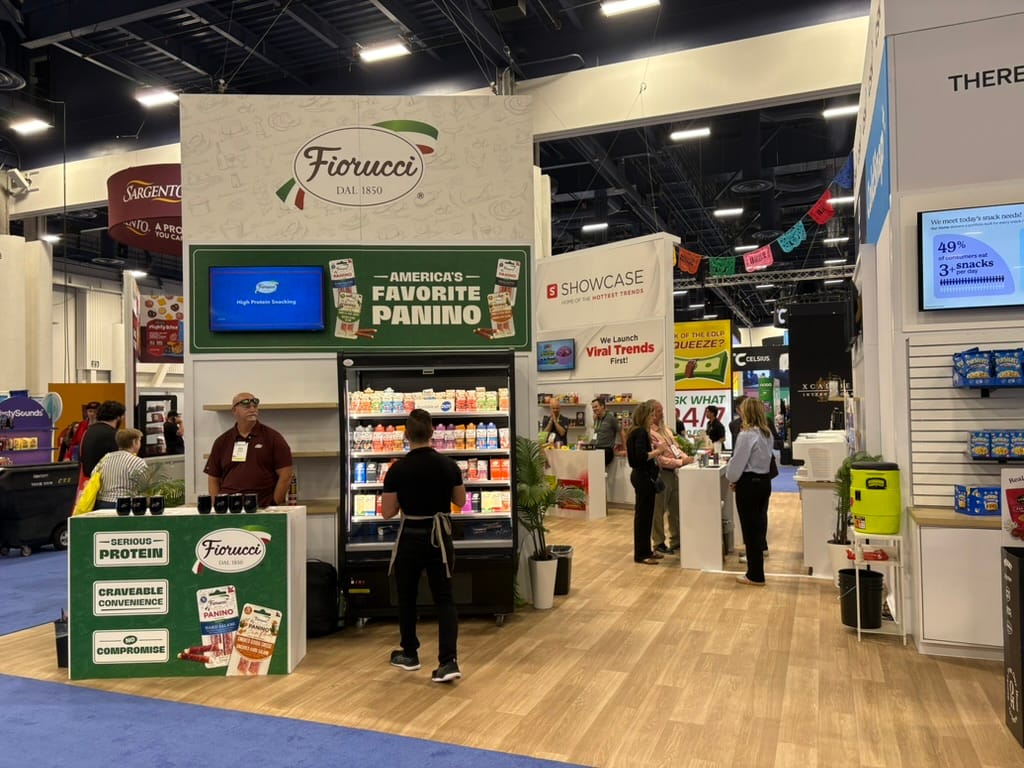
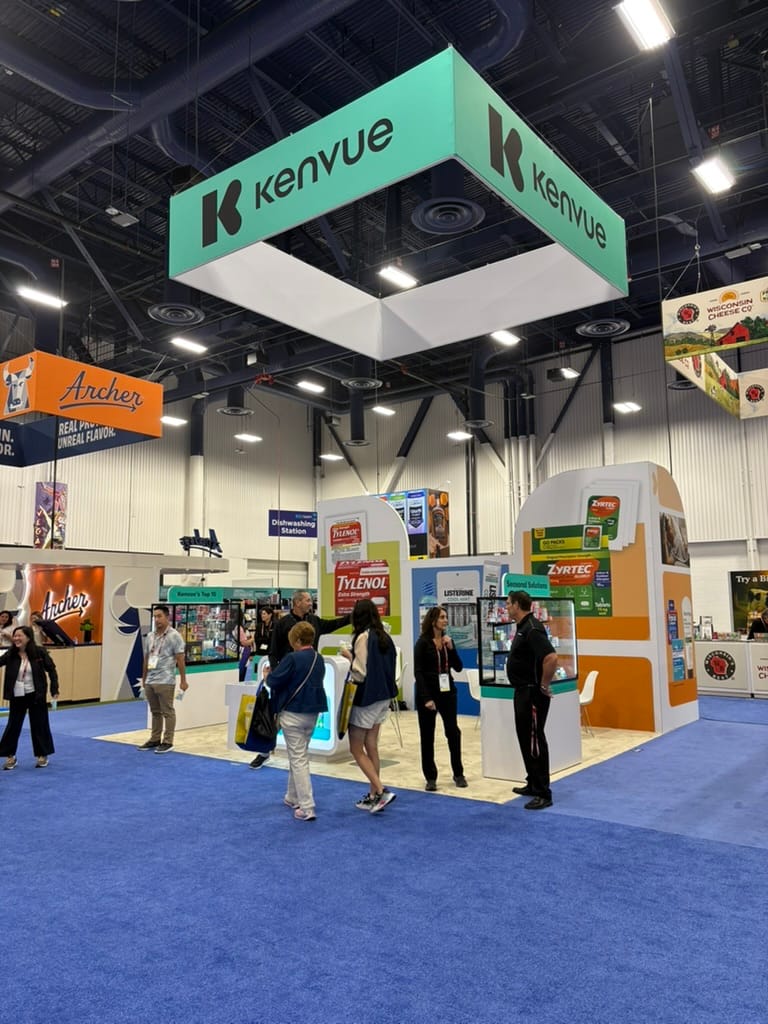
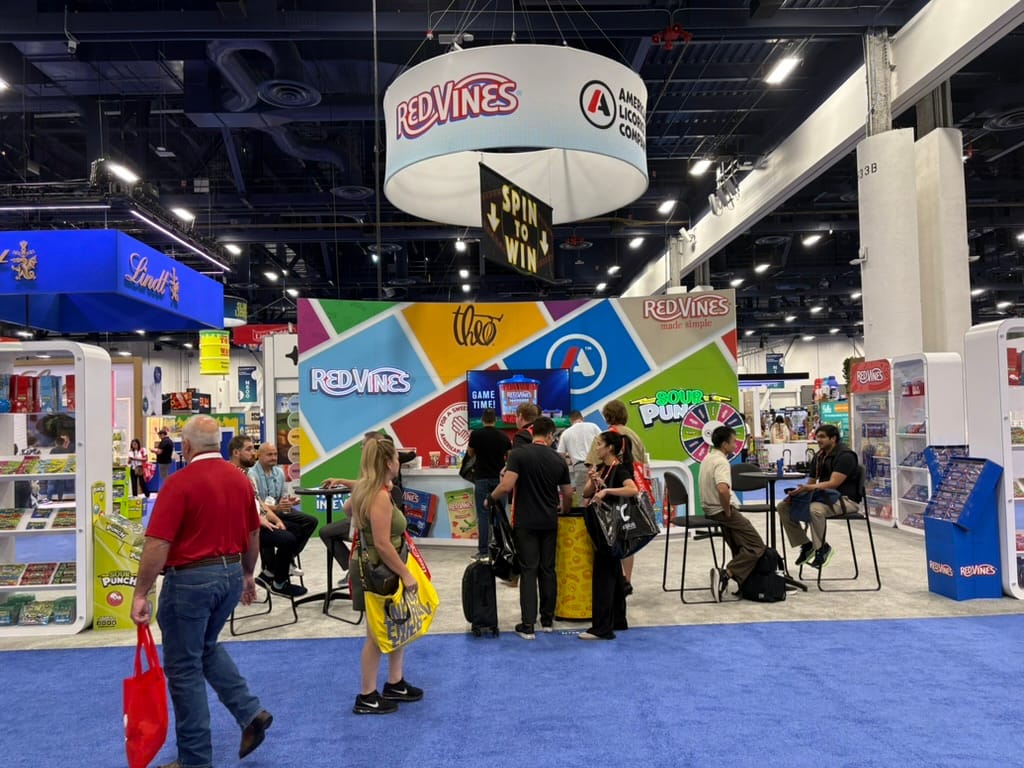
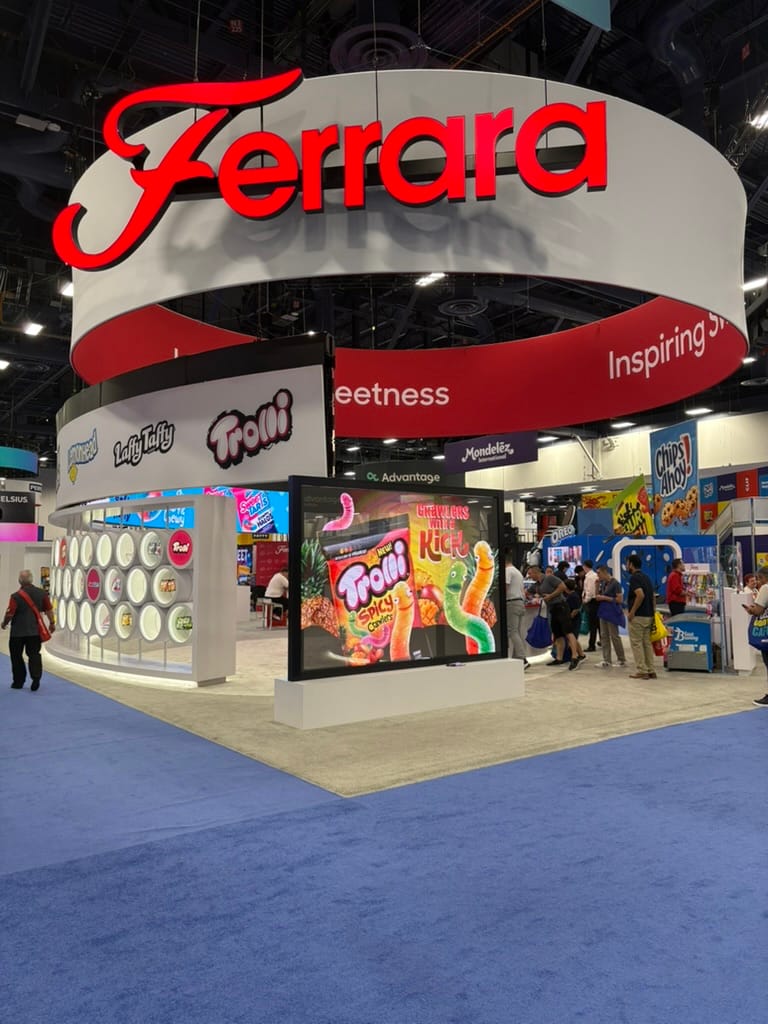
Mark Rahiya, group president of omnichannel sales and services at Acosta Group, told MMR that the increased focus on health and wellness, including protein, fiber and electrolytes, is creating new opportunities for convenience retailers to expand on-the-go health occasions without abandoning traditional c-store staples. Matt
“You need to have the right packaging, you need to be calling out, you need to ensure that you’re building that reputation of on-the-go health with the consumer,” Rahiya said.

The variety of products on display reflected a broader shift toward functional benefits and products that align with changing consumer eating habits. Rather than relying heavily on explicit GLP-1 messaging, many exhibitors appeared to address those changes through the products themselves.
Another noticeable change from last year’s show was the growth of the nicotine pouch category. Although MMR typically doesn't cover the category in depth, its increased presence was hard to miss, with more brands and new players competing for attention alongside established products.
When asked what looked different this year, Rahiya also identified nicotine pouches as a fast-growing category. He pointed to continued innovation in energy drinks and the evolution of foodservice, particularly around better-for-you foods that are practical for c-store operators to prepare in small environments while limiting shrink and waste.
NACS leadership, meanwhile, used Thursday’s General Session to outline the industry’s longer-term direction.
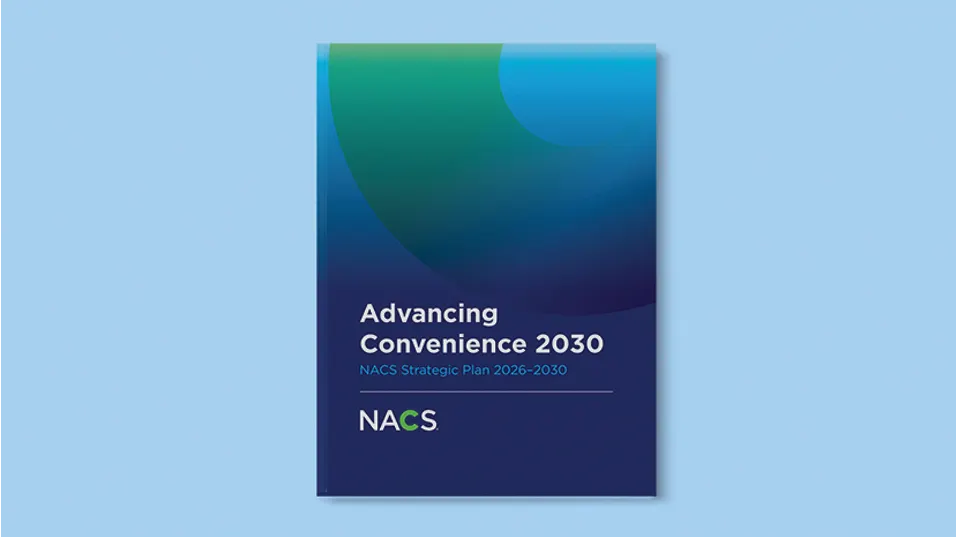
President and CEO Frank Gleeson introduced “Advancing Convenience 2030,” the association’s new strategic framework, which the NACS Board of Directors approved earlier in the week.
 Thorvardur de Shong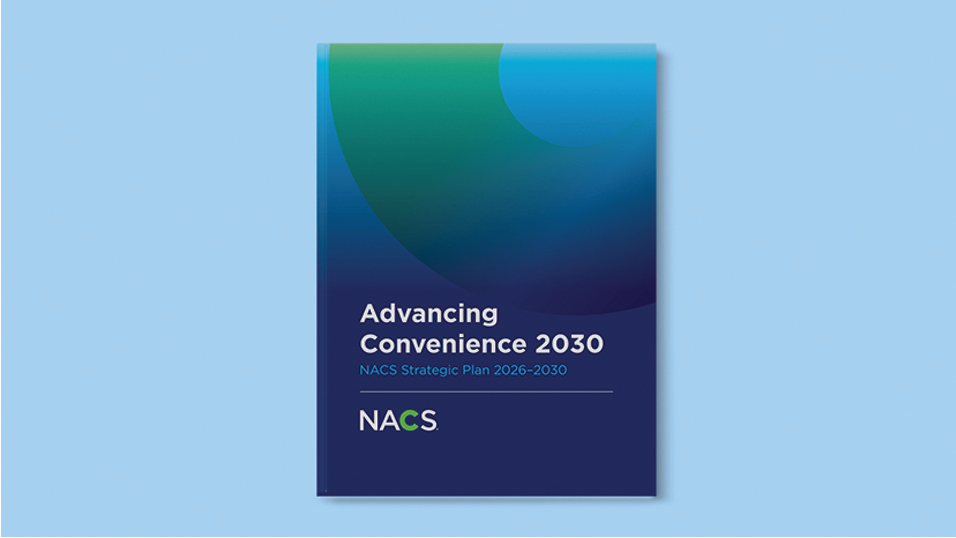
“We are shifting NACS from being the leading trade association to the platform that powers convenience and fuel retailing,” Gleeson said.
The strategy comes as the definition of convenience continues to broaden.
Foodservice is one example. Prepared food and beverages now account for 28% of c-store in-store sales, up from 12% two decades ago, according to NACS figures.
Gleeson also highlighted competition with quick-service restaurants as an opportunity for the channel. One in three c-store customers visits a quick-service restaurant within 30 minutes of visiting a convenience store, which NACS estimates represents a $100 billion annual opportunity.
“That’s a huge opportunity for better branding and messaging,” Gleeson said. “We’ve long said that you have to be famous for something. We need to lean into what we offer and tell our customers that’s what we do well.”
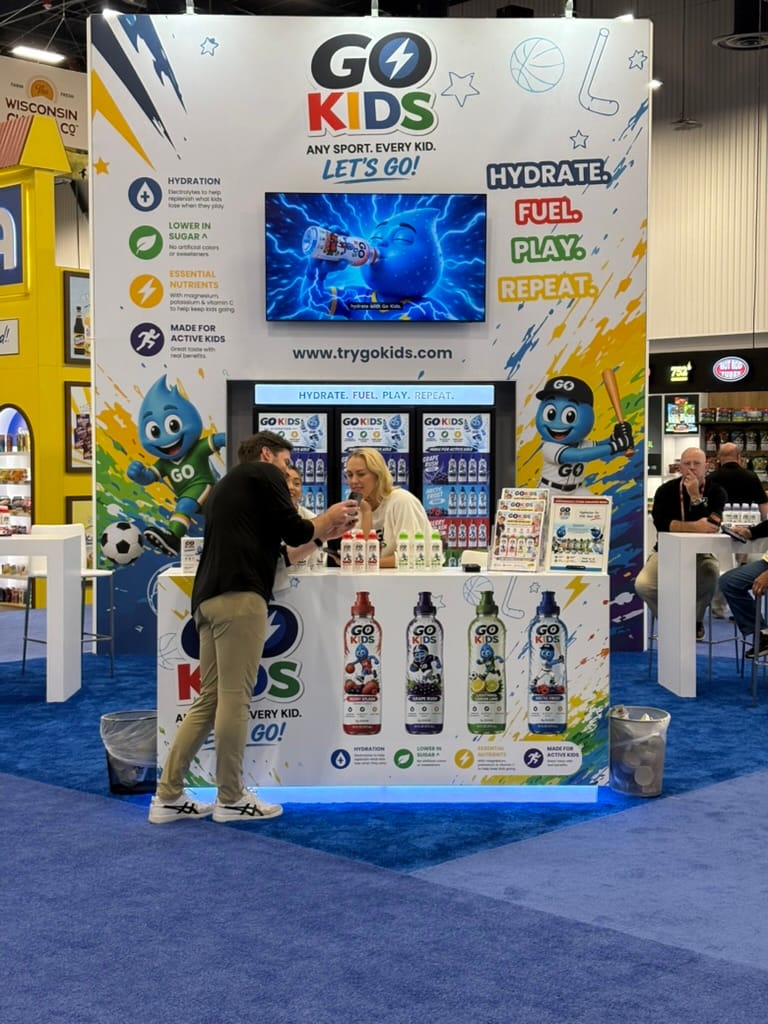
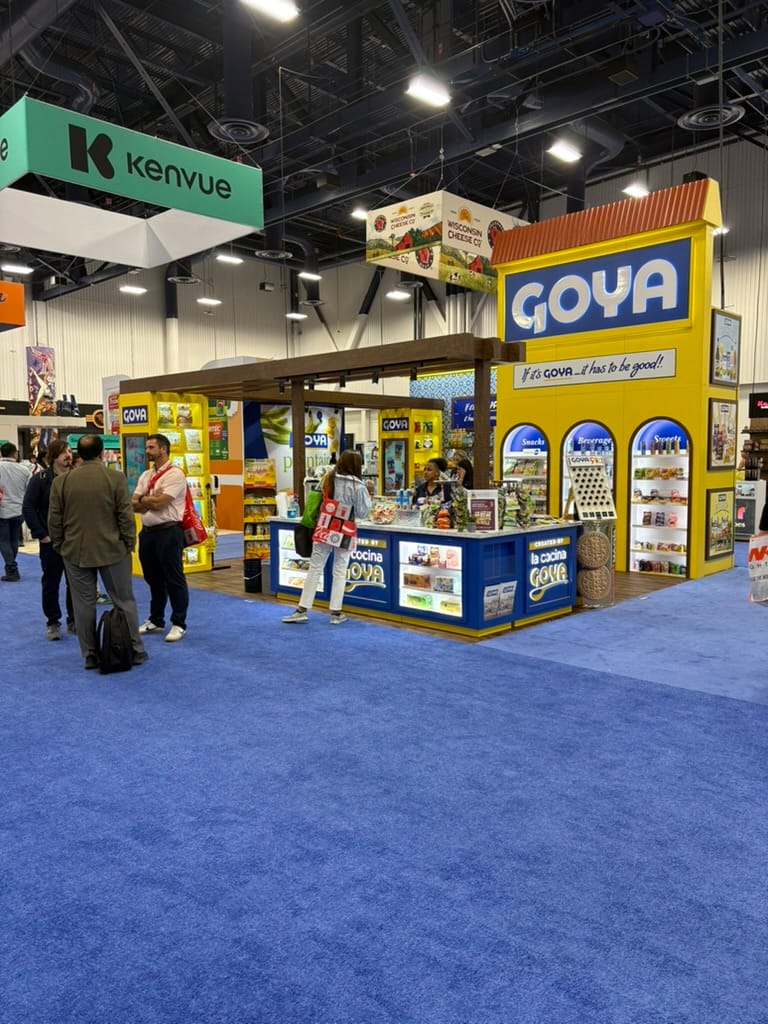
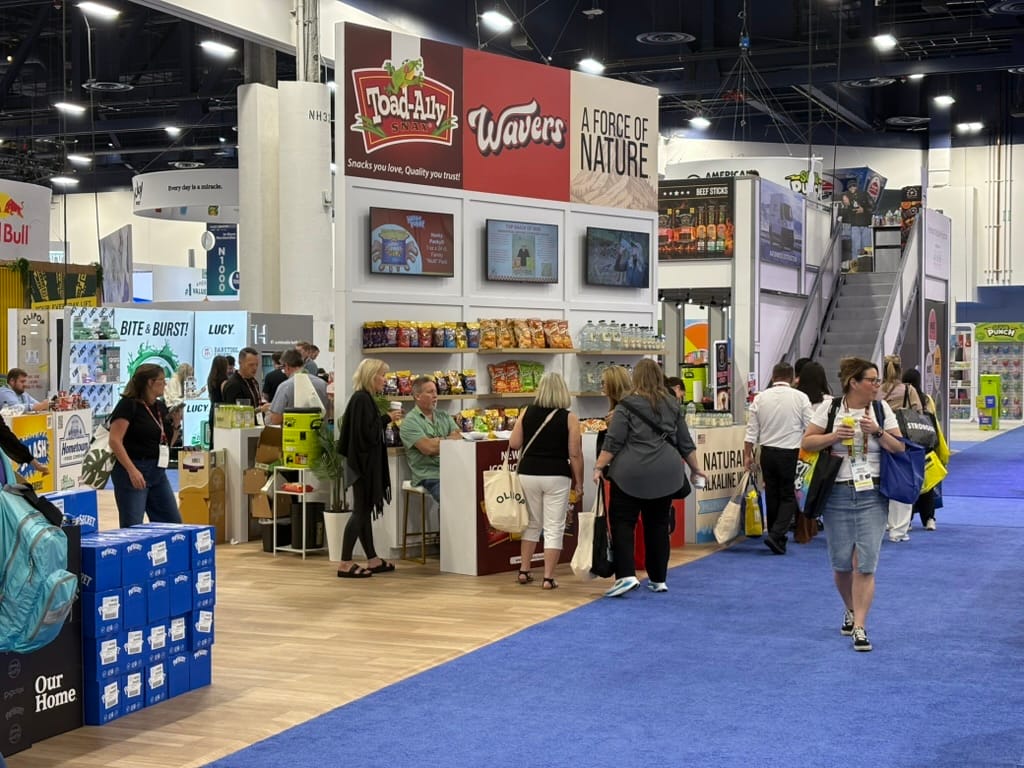
Competition for those occasions was evident across the show floor. Retailers were offered more sophisticated prepared foods, new beverage formats, and products that increasingly fall between traditional convenience merchandise and items consumers might have sought elsewhere.
Technology followed a similar pattern.
Despite the enormous attention AI has received in retail, much of the technology discussion at NACS focused on specific business problems rather than on AI for its own sake. Its relatively subdued presence in exhibitor messaging did not necessarily indicate a smaller role for AI.
Rahiya said that some of the most important developments are happening behind the scenes, driven by deeper data and newer technologies that transform information into actionable insights.
“AI is helping with that,” he said, adding that while convenience may not have had analytics as advanced as some other retail channels historically, “I think that’s rapidly catching up.”
For retailers, the value ultimately comes from using that information to better understand what shoppers want. Rahiya noted that convenience stores attract an enormous share of Americans, but turning those visits into purchases and repeat business requires retailers to stay attuned to changing trends and insights and to have the right products available when shoppers enter the store.
The show’s education program reflected that interest in practical solutions. NACS reported cumulative attendance of 11,438 across 56 education sessions, averaging more than 230 attendees per session. Six sessions drew more than 400 attendees each.
New products also indicated where suppliers see opportunities. The Cool New Products Preview Room featured 342 products and generated more than 9,000 attendee scans.
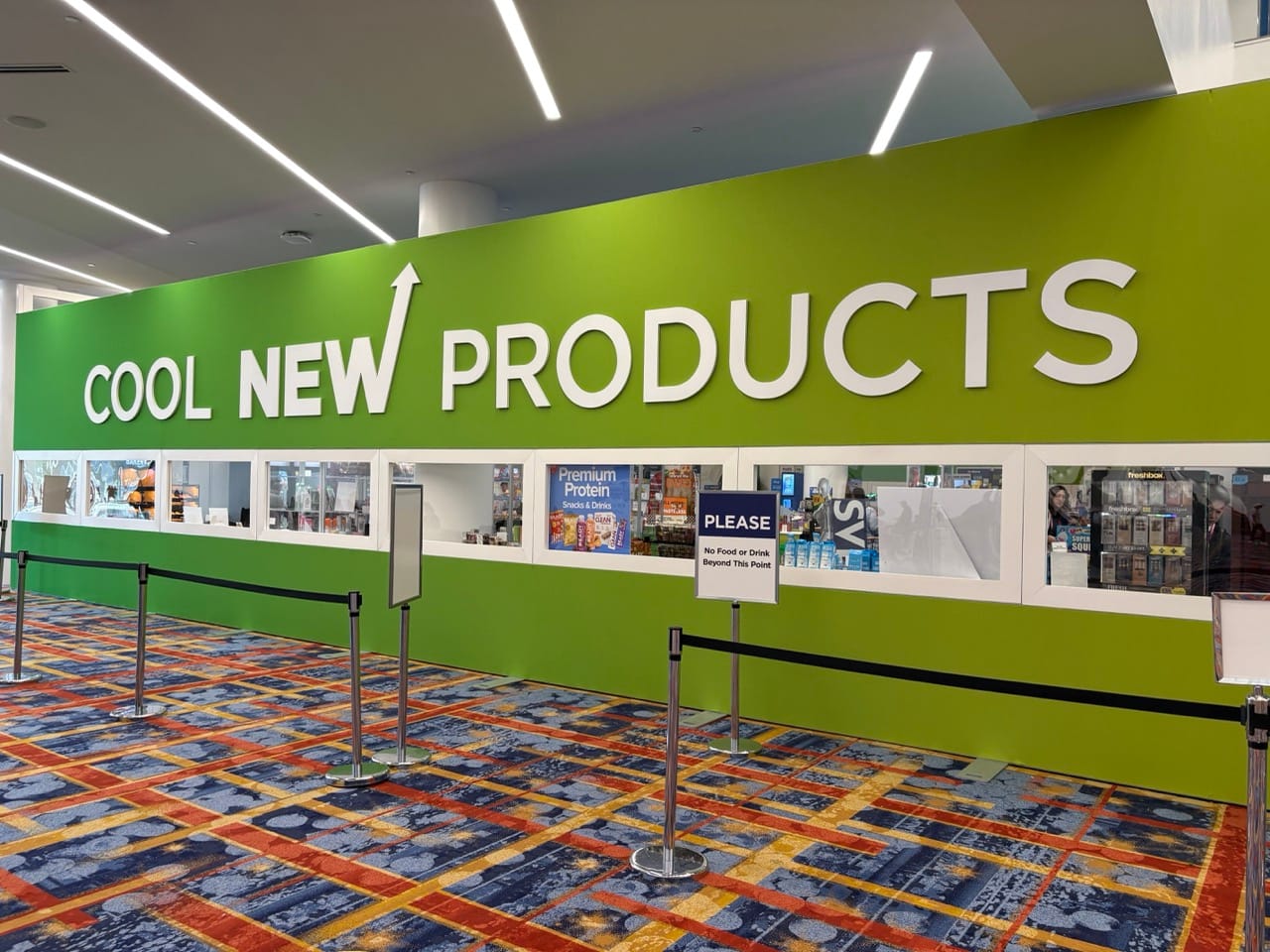
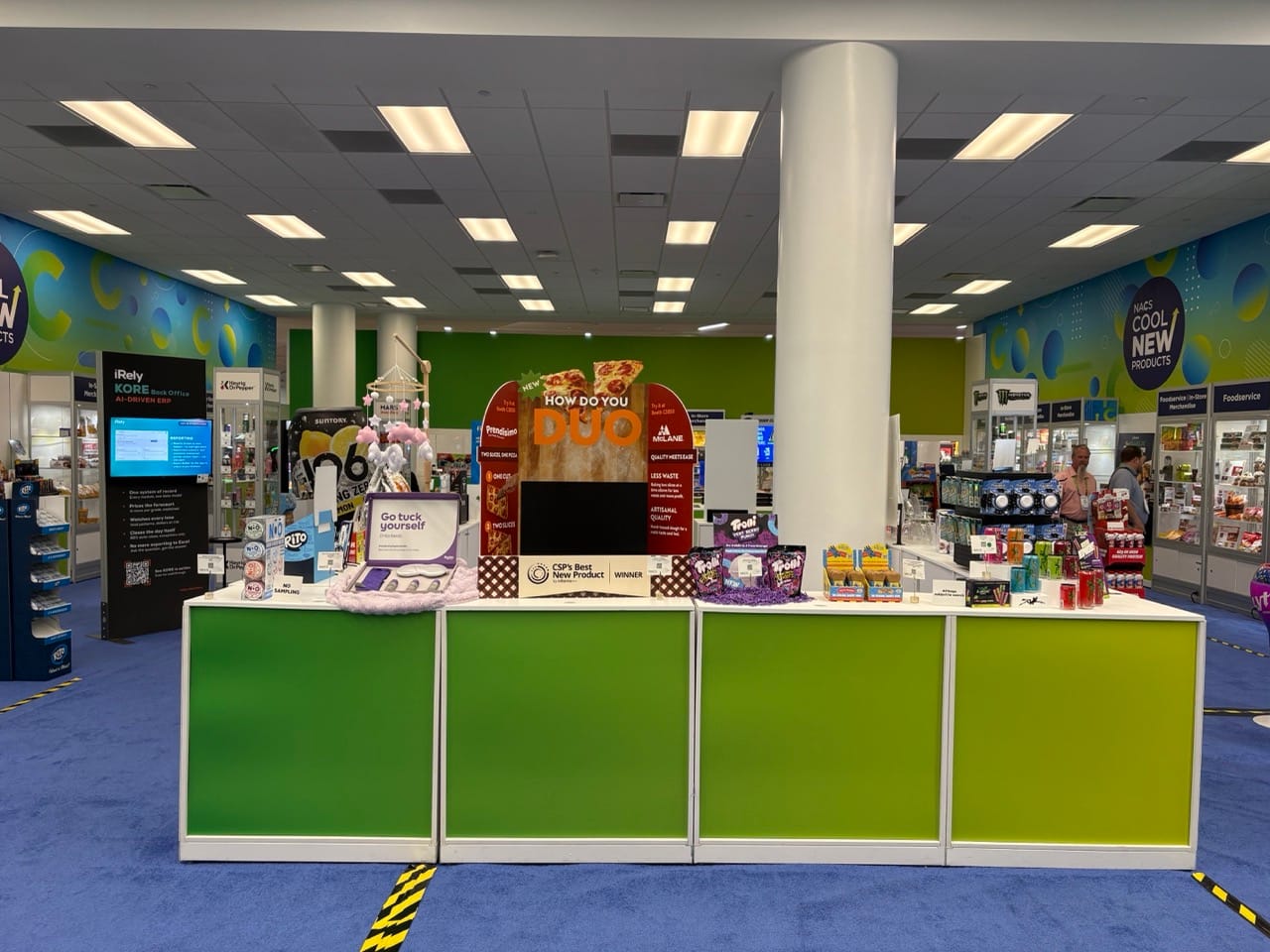
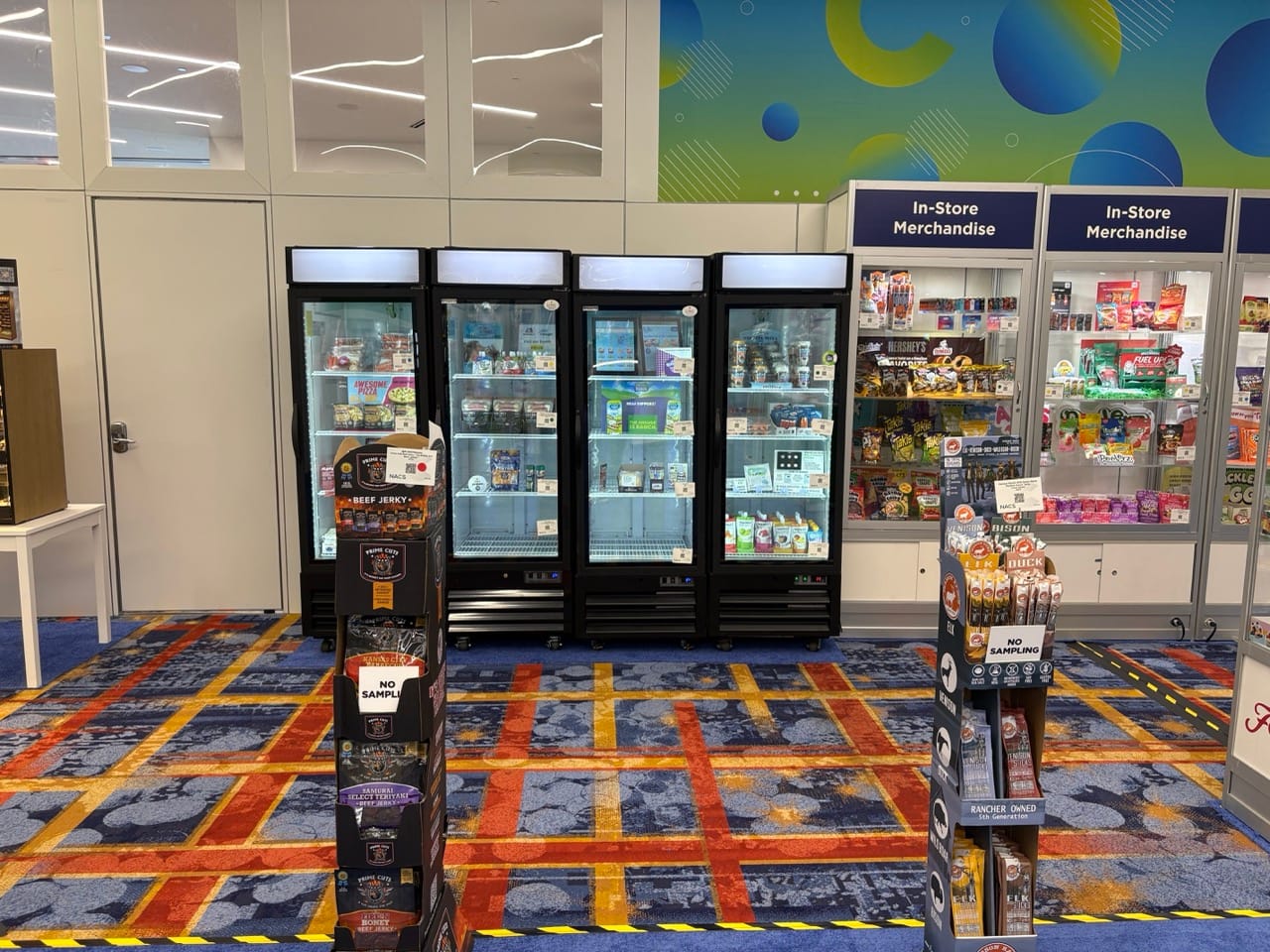
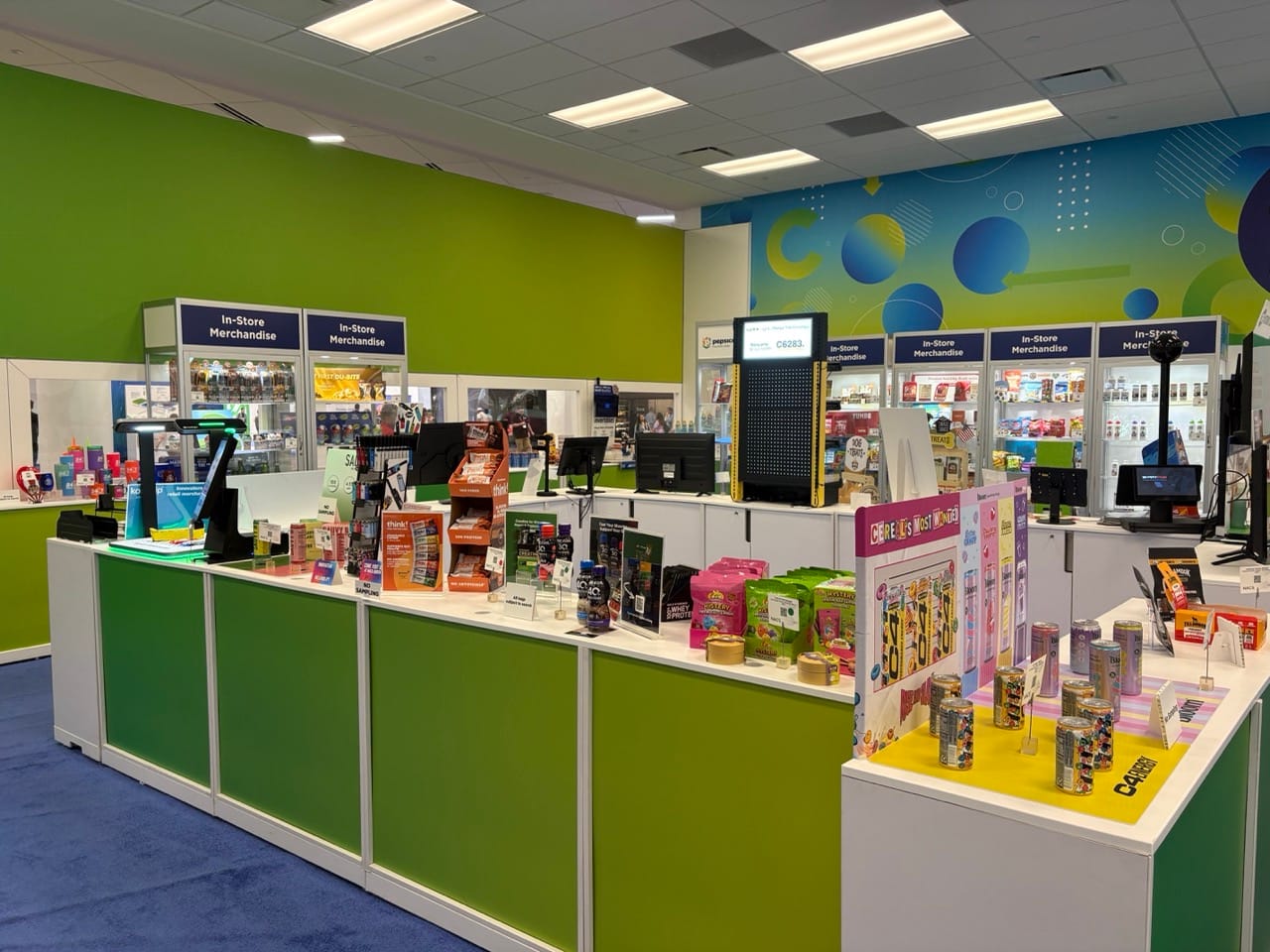
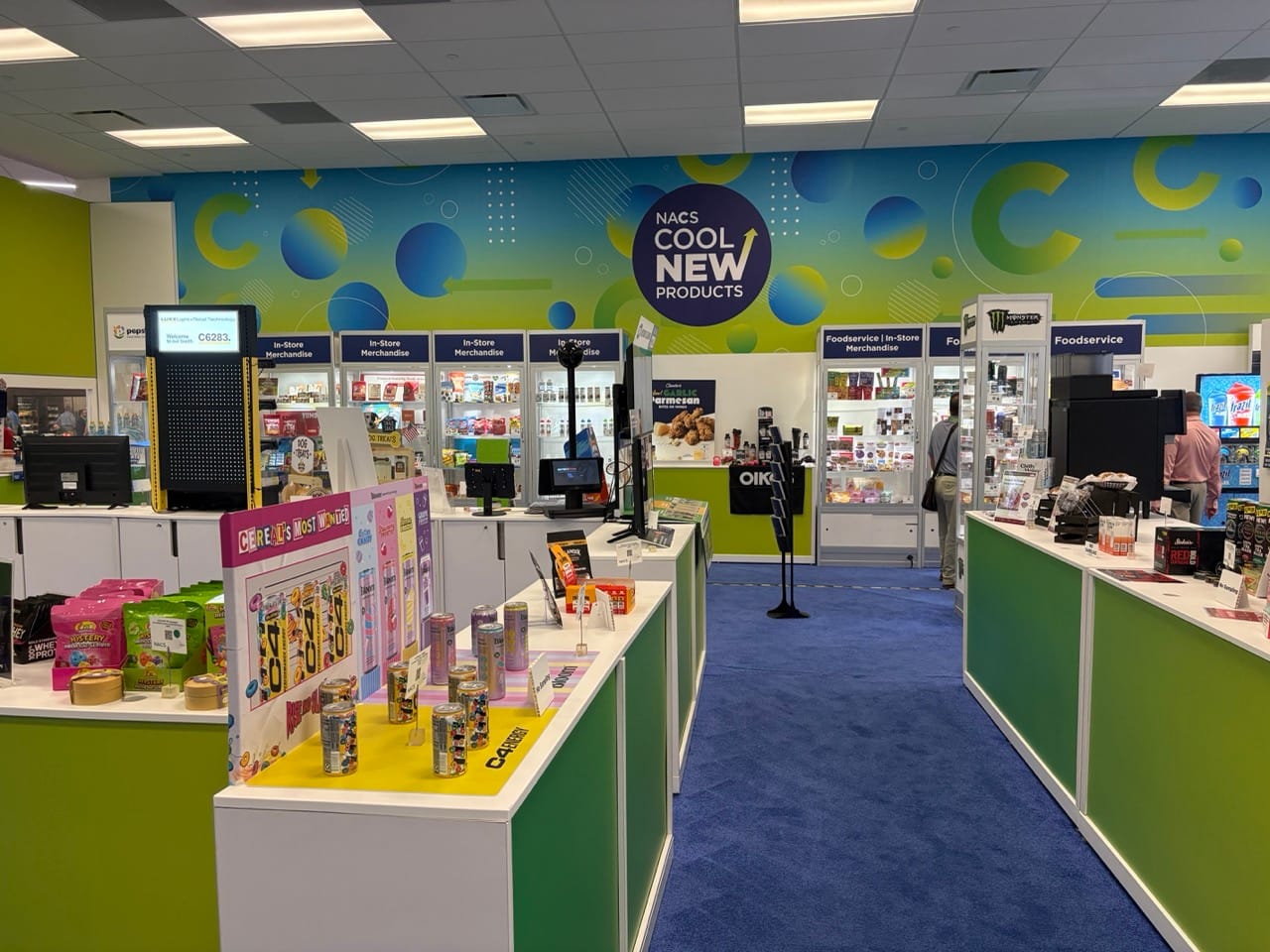
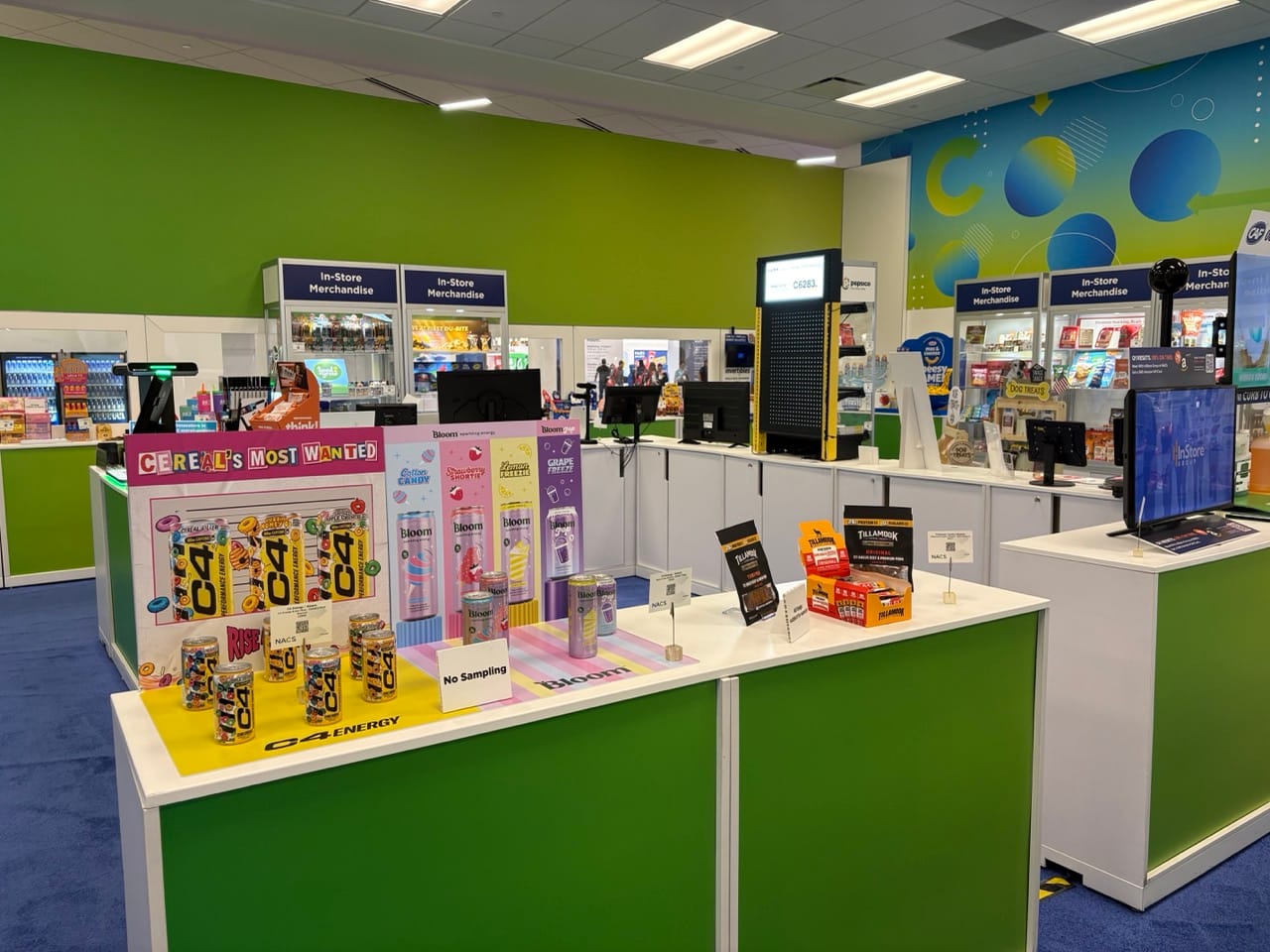
The Cool New Products Preview Room
Kraft Mac & Cheese Cheesy Ramen from Kraft Heinz was the top-scanned product, followed by Forest Food Fumang Propitious Mango, Taoqi Peach Breeze Ice Cream, and Frazil Fizz. A high-protein bar from Ready also made NACS’ top 10.
By Friday, after four days of meetings, educational sessions, and walking the Expo, the broader picture was less about a single technology or consumer trend taking over convenience retail.
Instead, the industry appeared to be moving in several directions at once: further into foodservice, deeper into grocery and meal occasions, toward more functional products, and into technology that can deliver measurable improvements in the business.
Just as notable was what had receded from the conversation. Tariff uncertainty that hung over last year’s show no longer defined the discussion, while AI and GLP-1s were present without dominating the floor. Meanwhile, categories such as nicotine pouches showed how quickly other parts of the convenience assortment continue to develop.
That evolution is making the boundaries around convenience increasingly difficult to define.
For c-store operators, that may be one of the most important takeaways from this year’s NACS Show. The opportunity is no longer simply to improve the traditional convenience trip. It is to compete for more of the occasions that bring consumers into restaurants, grocery stores and other retail channels in the first place.
The show also concluded with efforts extending beyond the convention center. NACS said more than 100 volunteers recovered 95,000 pounds of surplus food from the Expo through the NACS Foundation’s Neighborhood Nourish program and donated it to five Las Vegas-area charities.
The 2027 NACS Show is scheduled for Oct. 5-8 at the Georgia World Congress Center in Atlanta.
Submit Your Press Release
Have news to share? Send us your press releases and announcements.
Send Press Release