
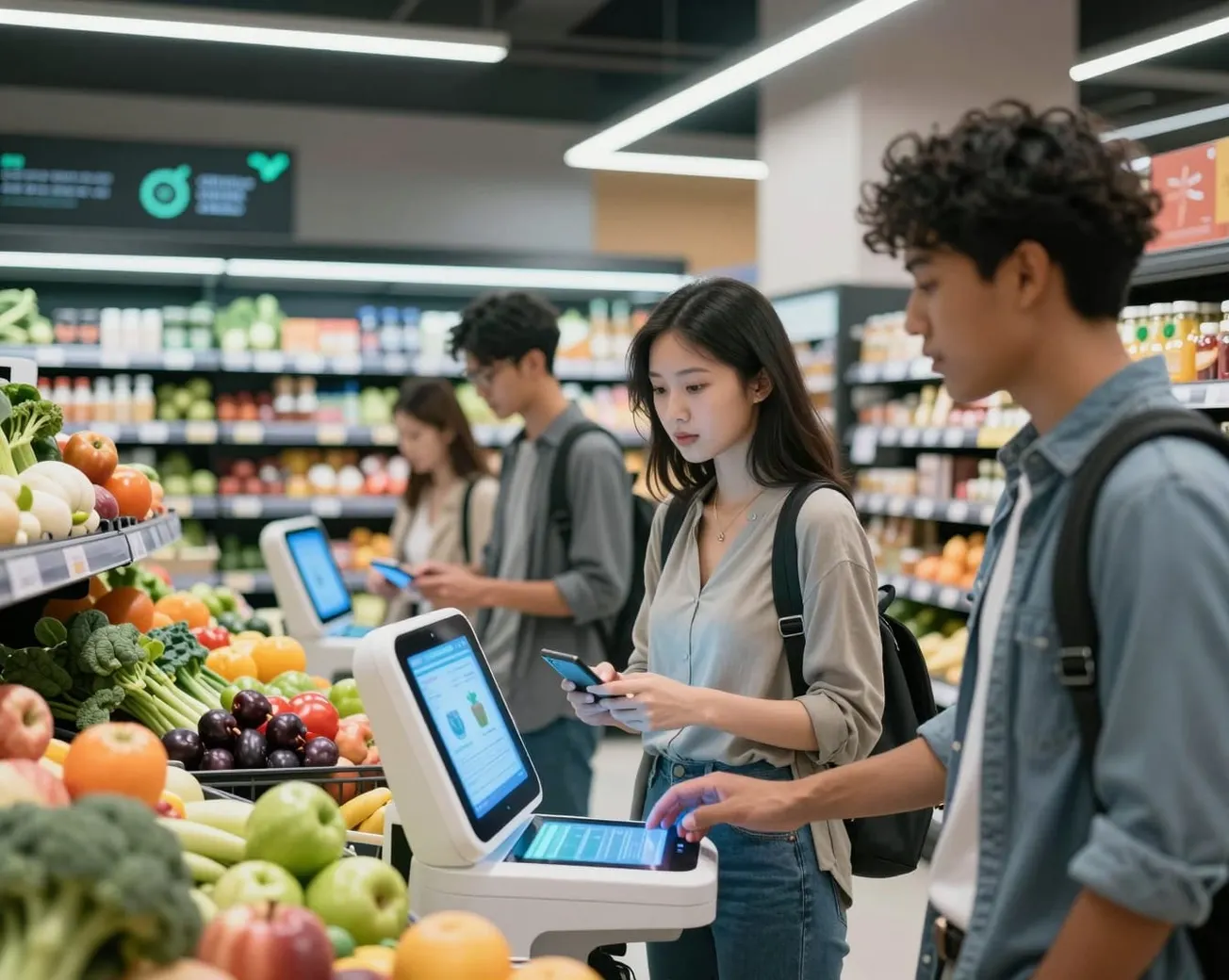
Supermarkets continue to undergo a revolution that is being shaped by many factors including advanced automation, a sharper focus on value, and highly personalized health and wellness offerings. As shoppers increasingly blend digital and in‑store behaviors, grocery stores are evolving beyond simple points of sale into high-efficiency distribution hubs and community-oriented, experience-driven spaces.
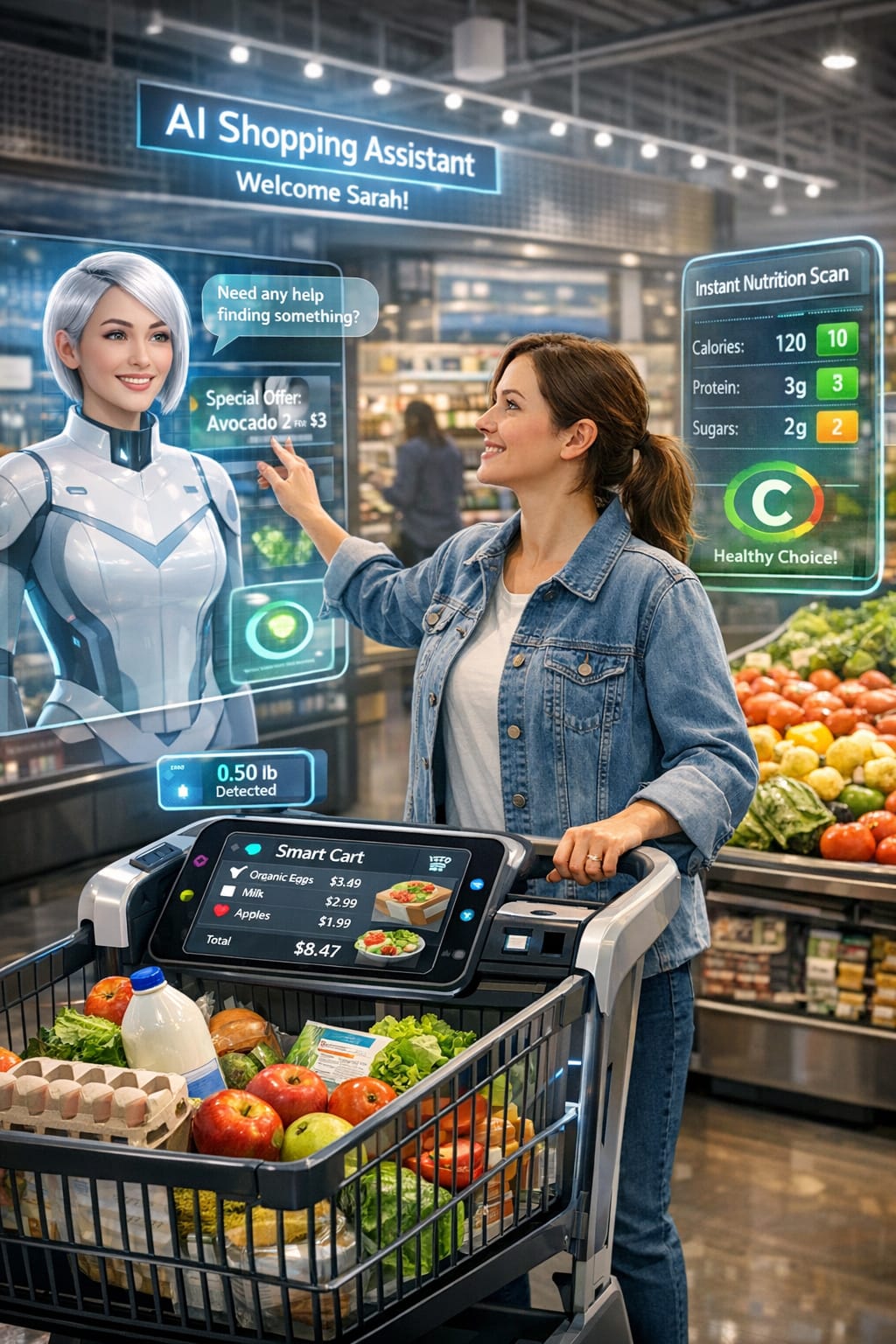
“The supermarket as we know it is living on borrowed time. For over a century, we’ve largely accepted the model Piggly Wiggly introduced in 1916 — grab a basket, navigate the aisles, check out,” says Danny Edsall, principal at Deloitte Consulting LLP and Deloitte’s Global Grocery practice leader. “But in the age of agentic commerce, consumers are fundamentally renegotiating their relationship with the grocery store. AI agents are beginning to handle the routine replenishment — the paper towels, the Greek yogurt, the weekly staples — which means the physical store has to earn its place in our lives in an entirely different way. Is it a destination? A community hub? A health and wellness center? A food experience that you can’t get anywhere else? The answer is yes — and major retailers are betting billions on figuring out exactly what that means. The giants are recasting the supermarket format for a new millennium, and the mid-market players who don’t get ahead of this shift are going to find themselves squeezed from every direction at once. It’s going to be a wild ride — but for those who are bold enough to reimagine what a grocery store is actually for, the opportunity has never been bigger,” he adds.
Steve Zurek, vice president of strategic analytics and insights thought leadership at NielsenIQ, is seeing Gen Z playing a major role in this shopping revolution going forward. “Gen Z is on track to be the most loyal store brand shopper of any generation cohort that’s active in the market today. Brand heritage isn’t a decision factor for them. It’s about value, authenticity and experience that, at the very least, meets their expectations, but often they are expecting to be surprised by the quality they get for the money they’ve spent. National brands should be thinking about this exact same model, but most aren’t.”
As to what new trends in food stores are selling, Zurek says, “The industry is likely ‘over proteining’ everything. Are shoppers expecting to be eating healthy by getting protein from indulgent snacks? No. Some of what we’re seeing is fad chasing, which is distracting brands from their core mission of delighting their core consumer. Focusing on the occasions they’re a part of is more critical than putting protein into a snack cake. Small indulgences regardless of economics are a cherished break for consumers. Lean into that sentiment rather than risking consumer confusion about what your brand stands for,” he points out.
AI and Frictionless Technology
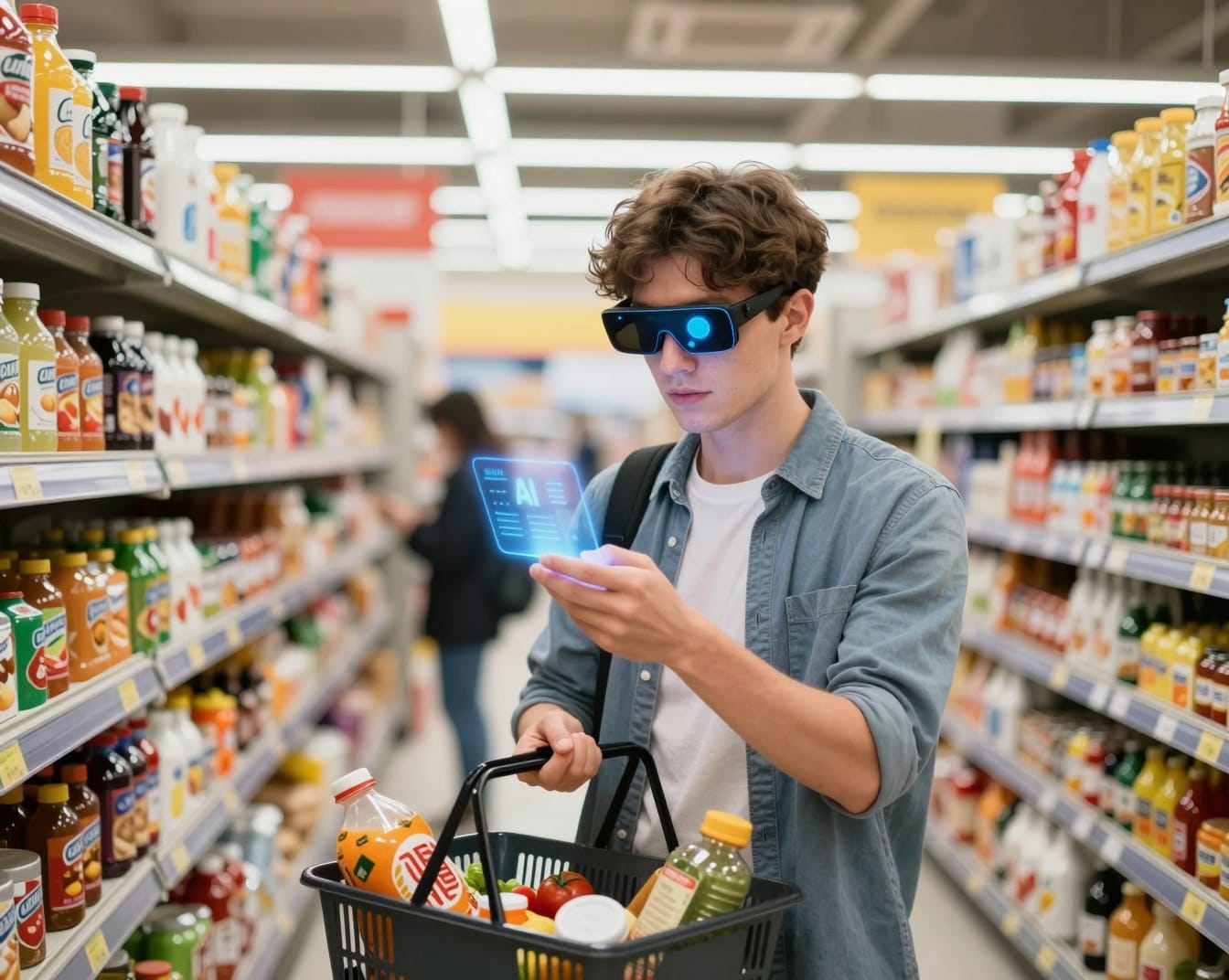
Technology is moving directly into shoppers’ hands, addressing long-standing pain points such as checkout delays and inefficient navigation. “Technology doesn’t stop when a shopper walks through the grocery store,” says Doug Baker, vice president of industry relations at FMI – The Food Industry Association. “If anything, technology is actually very much ingrained throughout the full grocery shopping experience — from shoppers looking for meal inspiration on social media and online, developing digital lists and seeking price comparisons on smartphones, to even communicating with household members in-store about product selection. In this omnichannel world, food retailers need to invest in a cohesive and seamless grocery shopping experience that allows for shoppers’ natural tech-enabled habits to continue and thrive. That seamlessness will be valued and build loyalty,” Baker adds.
Retailers such as Whole Foods Market and Kroger are rolling out smart carts — such as Instacart’s Caper Carts — equipped with cameras and scales that automatically scan items, enabling customers to skip the checkout line entirely. In addition, traditional paper price tags are being replaced by digital labels that support dynamic pricing and “pick-to-light” functionality, helping employees and delivery pickers locate products faster. Lastly, using AI-driven purchase history analysis, retailers now deliver “just-for-you” digital coupons through store apps as customers approach specific aisles.
In-store Dining
The “grocerant” trend is also growing, with grocers such as H Mart offering expansive hot bars and food courts that directly compete with fast-casual restaurants. The two-story Long Island City, N.Y. location, often described as a massive food hall, opened in stages, offering suppliers such as Goldmiss (mochi donuts), Dduk Dabang (soul food) and Namudol.
New store designs increasingly feature Healthy Living Centers and community spaces to help strengthen brand loyalty. For example, the Sunrise ShopRite in West Caldwell, N.J., offers a community room that is dedicated space for cooking classes, wellness programs and private events.
Health and Wellness
Health-focused shopping is shifting away from general dieting and toward personalized, biology-driven needs. “FMI’s research and insights find that as shoppers seek to meet their personal definition of ‘eating well,’ many are willing to spend more on certain purchase drivers, including health, convenience, enjoyment and entertainment. These purchase drivers, especially when combined, offer shoppers enhanced value. Food retailers and suppliers that seek to offer shoppers expanded value will gain loyalty beyond simple sales.” notes Steve Markenson, vice president of research and insights at FMI.
The rise of weight loss medications is influencing store layouts, with greater emphasis on high-protein, nutrient-dense and smaller-portion foods — such as protein shakes and pre-cut vegetable snacks. Once-niche products like prebiotic sodas and fermented foods (including kimchi and sauerkraut) are gaining prominent shelf space as gut health becomes a top priority for a majority of consumers.
“Grocery stores truly are destinations for health and well-being, with affordable access to products, people, information and services that support consumers’ whole health goals all in one place. By serving as these health hubs, grocery stores offer tremendous value to communities that goes beyond the point of sale to truly sustain the well-being of our neighbors,” says Krystal Register, vice president of health and well-being at FMI.
Private Label Growth
In an environment of continued economic pressure, the meaning of “value” is evolving. Store brands are no longer viewed as lower-quality alternatives. Today, most households purchase private label products regularly to save money without sacrificing quality. “Store brands are outperforming national brands across the U.S., growing faster, expanding share and delivering record-setting sales results,” reports Peggy Davies, president of the Private Label Manufacturers Association.
Omnichannel Shopping and Hybrid Fulfillment
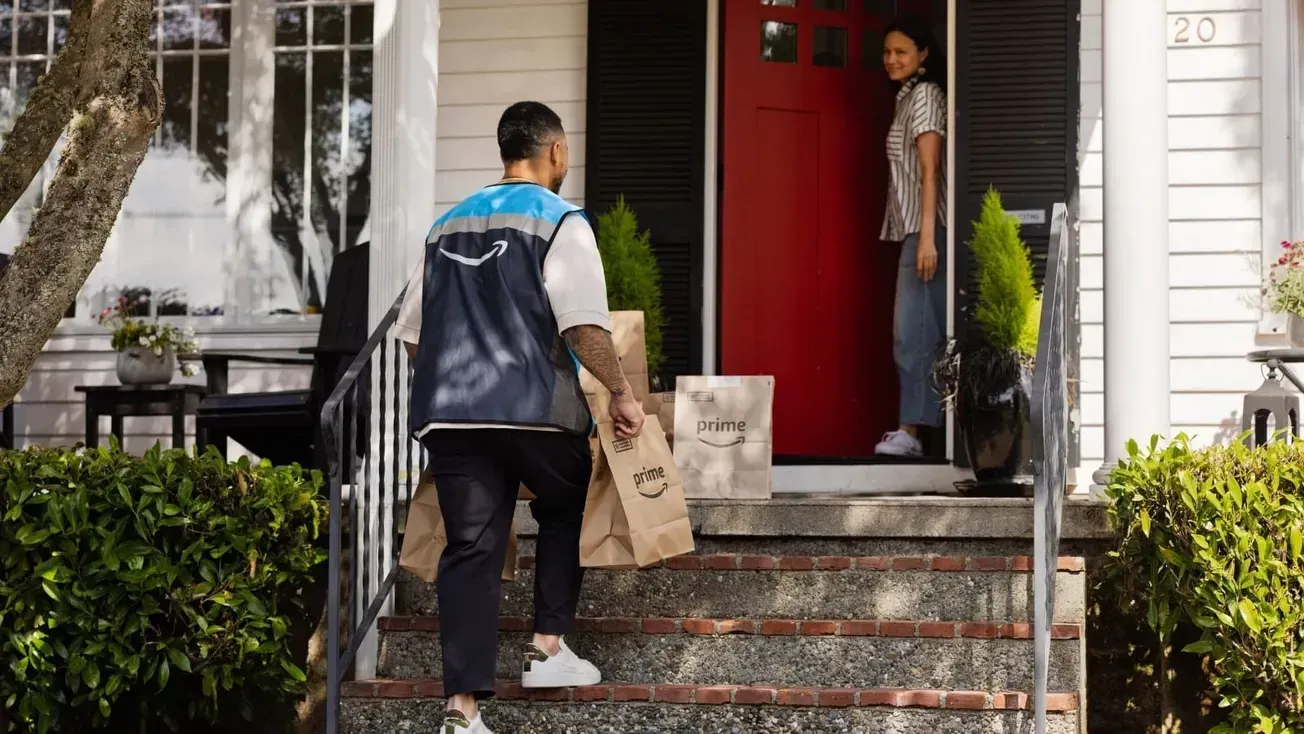
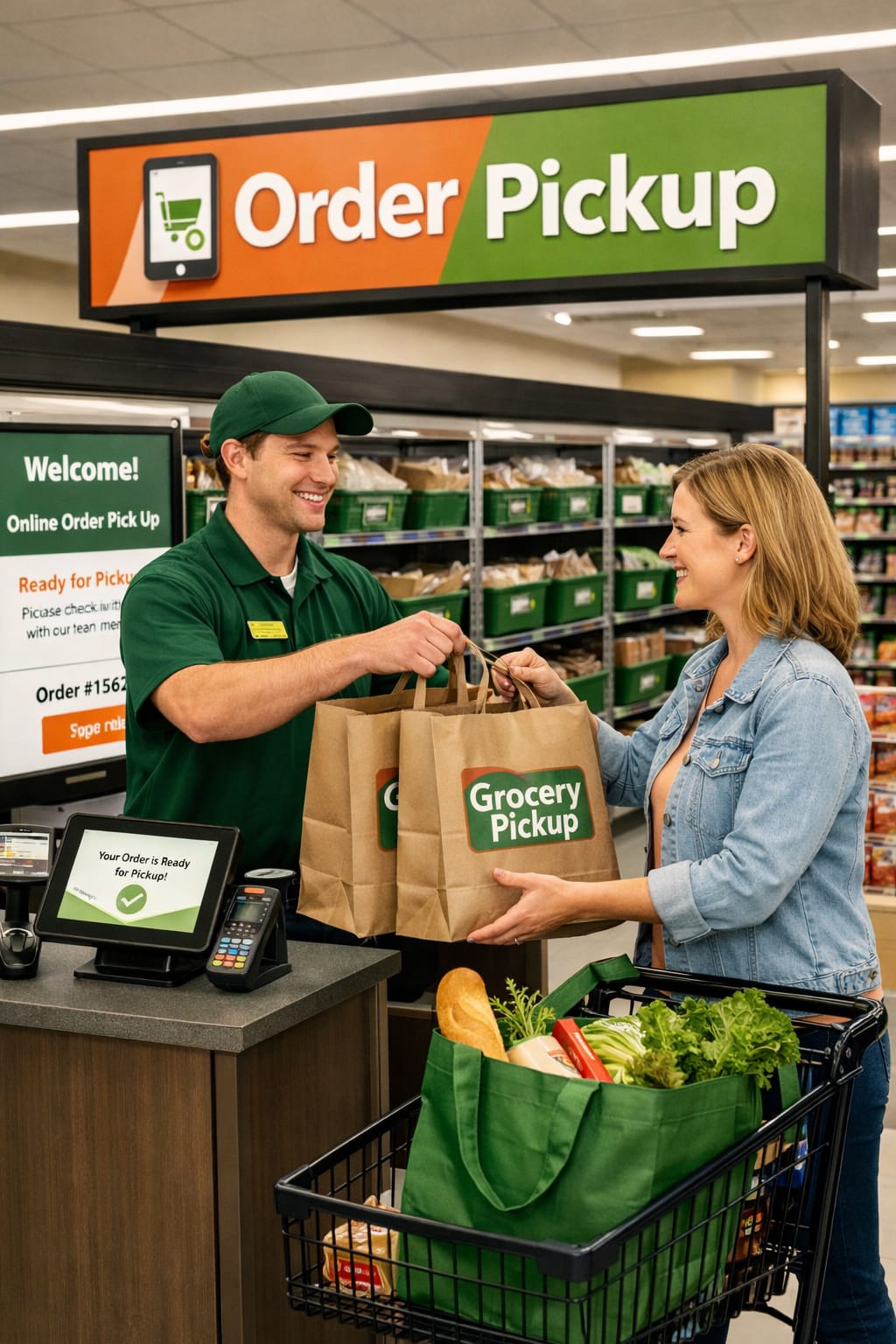
The distinction between online and in-store grocery shopping has nearly disappeared. While home delivery remains popular, curbside pickup is growing faster as a fee-free, cost-effective option for value-conscious consumers. Many retailers are converting backroom space into automated mini-warehouses where robots pick online orders, keeping store floors less crowded and improving the in-person experience.
Shekar Raman, CEO and co-founder of Birdzi, notes that grocery retail is going through one of the most significant shifts in decades, and it’s happening on multiple fronts. “The old playbook of mass promotions, weekly circulars and CPG-funded discounts is losing its effectiveness, and traditional supermarkets are losing market share, with most of that business walking straight to mass and club store formats. Shoppers haven’t left because of bad products, but instead because the experience stopped feeling relevant.
“What I’m seeing now is a genuine rethinking of how grocery goes to market, driven by a few converging forces, including AI-powered hyper-personalization. Instead of blasting the same five deals to every household, retailers can now serve up individualized offers drawn from their entire store catalog and tailored to what each shopper actually buys, how often they shop and what matters to them. That’s a fundamentally different approach to relationships.”
Raman adds that health and wellness is also becoming a real personalization signal, as a shopper consistently reaching for low-sodium, gluten-free or organic products is telling the retailer something important about their lives. Stores can respond to those signals with relevant, helpful offers.
“Automation is turning these personalization efforts from concepts into a scalable reality. The ability to listen for real-time shopper behavior and automatically respond with a relevant, personalized touchpoint is what transforms a grocery store into a true loyalty engine. Efficiency and experience aren’t opposites anymore. The grocers who are investing in both are the ones building the kind of community-rooted, experience-driven stores that no big-box format can replicate,” he concludes.