
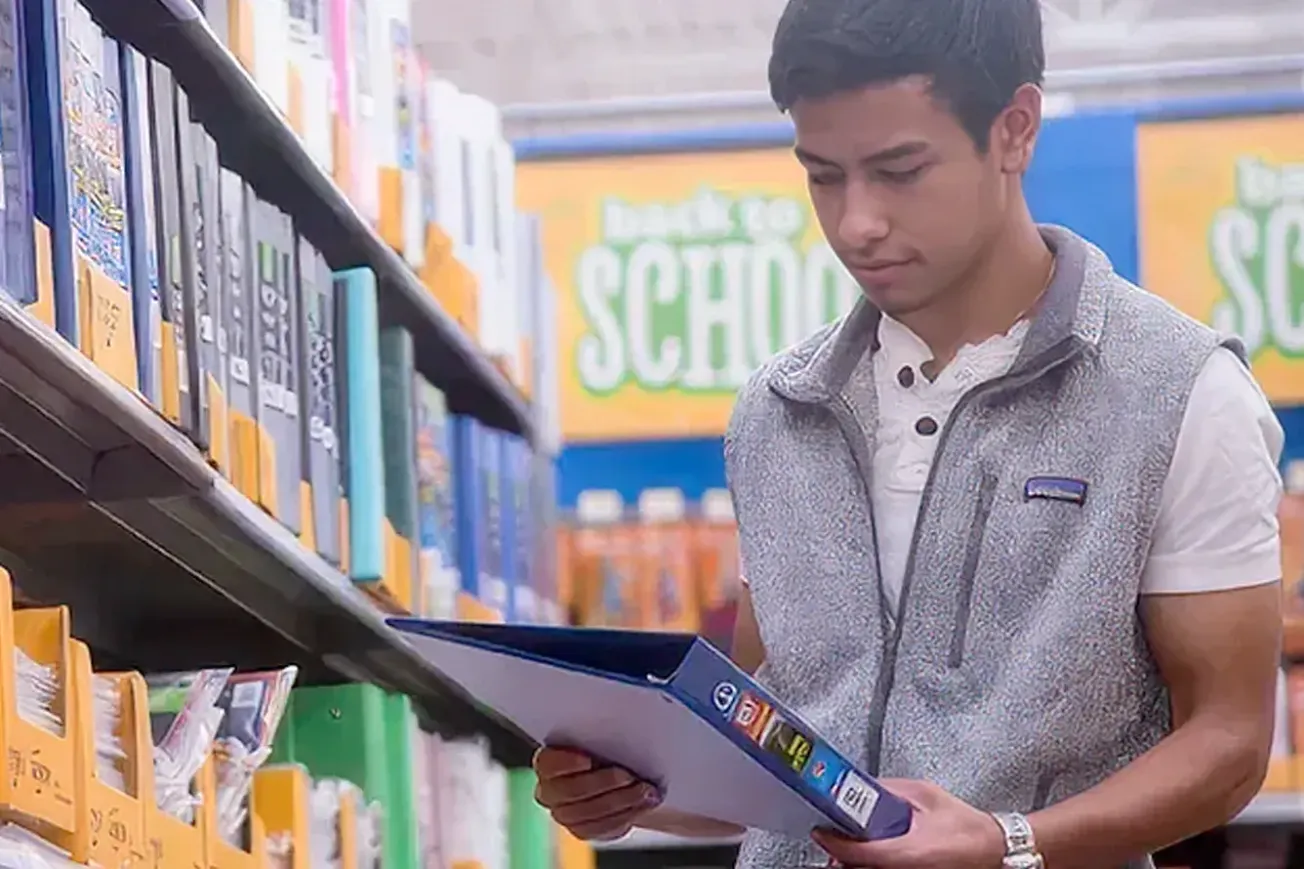
CHICAGO — Back-to-school shoppers waited longer to open their wallets this year, as families extended summer activities and took a more deliberate approach to purchases amid continued pressure on household budgets, according to new data from Circana.
Through the first 10 weeks of the 2026 back-to-school season, office supplies revenue totaled $3.37 billion, down 1% from a year earlier, Circana’s Weekly Retail Tracking data showed. But the overall decline masks a significant late-season acceleration, with sales revenue rising 4.2% year over year in the week ended September 5.
“Consumers are increasingly choosing to wait before making their back-to-school purchases,” said Ben Arnold, industry advisor for office supplies at Circana. “While shoppers remain engaged in the category, many are delaying purchases until closer to the start of the school year and becoming more intentional about how they spend their money.”
The shift was particularly evident in the contrast between the beginning and end of the season. Office supplies revenue declined 4% from a year earlier during the first five weeks of the back-to-school period.
Spending accelerated sharply in Week 6, traditionally the season’s peak shopping week, helping to narrow the season’s losses. After posting year-over-year declines in each of the first six weeks, revenue turned positive and accelerated during each of the following four weeks, from Aug. 9 through Sept. 5.
Circana said the pattern suggests back-to-school spending is becoming increasingly concentrated in the final weeks before classes begin. Calendar changes also contributed to the shift, including promotional events moving into June and the later timing of Labor Day.
The timing of purchases is not the only thing changing. Circana said families are also taking a broader view of value as they contend with persistently elevated prices.
Rather than simply choosing the least expensive products, consumers are comparing brands, package sizes and retail channels while focusing spending on items they consider essential.
“Consumers have not stopped spending, but, as budgets remain under pressure, shoppers are focused on maximizing every dollar they spend, becoming more selective and deliberate,” Arnold said. “Value today extends beyond price. Consumers are looking for products that meet their specific needs, and, in many cases, they remain loyal to brands and products they trust.”
That brand loyalty appears to be holding even as consumers face the prospect of tariff-related price increases. Circana research conducted as part of its Future of Office Supplies forecast found that 41% of consumers said they would continue purchasing the same brands and products they typically buy even if tariffs lead to higher prices.
That was up seven percentage points from a year earlier, suggesting product familiarity and brand preference are playing a larger role in purchasing decisions.
The findings indicate that while price remains an important consideration for back-to-school shoppers, consumers are balancing cost against other factors as they decide what to buy — and increasingly waiting until they need those products before making the purchase.