

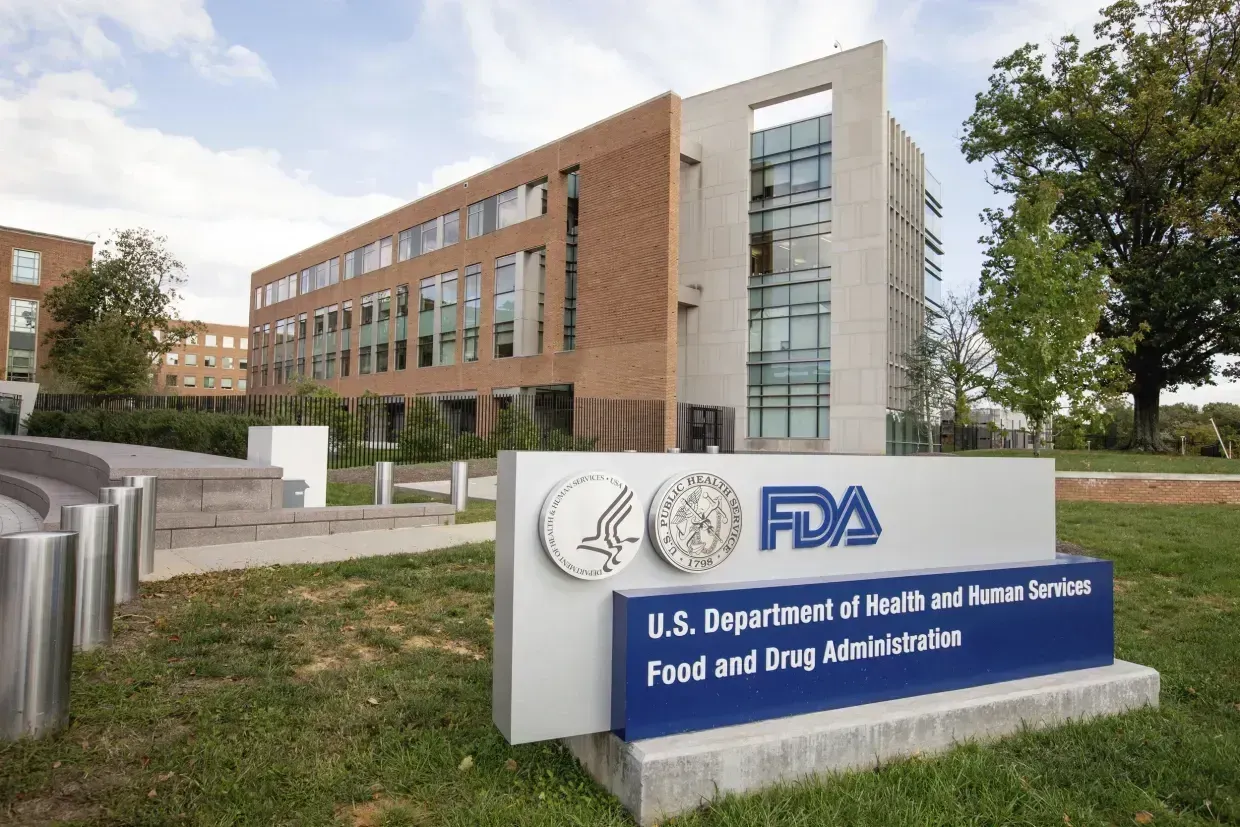
ARLINGTON, Va. — The National Association of Chain Drug Stores (NACDS) today submitted comments to the U.S. Food and Drug Administration (FDA) in response to the agency’s request for comments on Increasing Access to Nonprescription Drugs, expressing strong support for efforts to expand access to over-the-counter (OTC) medicines while emphasizing the importance of coordinated policy and operational alignment to ensure patients can fully benefit from these changes.
FDA’s request for comments comes as the agency explores expanding the scope of OTC product availability, including therapies that historically have only been available by prescription. NACDS noted that these changes could significantly reshape how patients access certain treatments and preventive care, creating new opportunities to improve convenience, timeliness of care, and healthcare access through neighborhood pharmacies and retail settings. At the same time, the Association emphasized that to ensure prescription-to-OTC transitions improve real-world access and do not unintentionally create new barriers for patients, additional policy and operational considerations must be addressed in tandem.
“NACDS strongly supports FDA’s efforts to expand access to safe and effective nonprescription medicines,” said NACDS President & CEO Steven C. Anderson. “Expanding OTC availability has tremendous potential to improve convenience, preventive care, and timely access to treatment for Americans nationwide. At the same time, successful implementation will require coordination across policymakers, regulators, payors, pharmacies, and other stakeholders to ensure these transitions improve affordability, accessibility, and patient care without creating unintended barriers for patients or unnecessary operational burdens for pharmacies and retailers.”
In its comments, NACDS emphasized that insurance coverage will remain a key factor in ensuring patients can benefit from expanded OTC availability, particularly for newer therapies that may carry higher out-of-pocket costs if coverage is discontinued following a prescription-to-OTC transition. The Association encouraged coordination across federal agencies and policymakers to support affordable access to nonprescription products and related pharmacy services, including policies that encourage public and private payors to cover nonprescription therapies.
The Association also emphasized that successful expansion of OTC access will depend not only on FDA approval pathways, but also on whether reimbursement systems, state laws, retail workflows, and patient coverage policies evolve alongside these changes — including policies that authorize pharmacists to facilitate access to nonprescription products when required for insurance coverage purposes.
NACDS also encouraged FDA to work collaboratively with stakeholders to promote streamlined, consistent, and operationally feasible implementation approaches for the emerging category of nonprescription products with additional conditions for nonprescription use (ACNU), including convening stakeholders to support standardized and scalable processes that verify for retailers that consumers have completed a product’s screening or eligibility steps prior to purchase.
In addition, the Association highlighted the importance of modernizing reimbursement and payment systems to support seamless access to covered nonprescription products across retail settings. NACDS further emphasized the need to ensure pharmacists are recognized and reimbursed for the clinical services they provide to support the safe and effective use of nonprescription therapies.
The comments underscore the continuing role pharmacists will play in helping patients navigate treatment decisions, access appropriate care, and use nonprescription therapies safely and effectively. NACDS also encouraged policymakers to avoid imposing state-level restrictions or requirements that could create inconsistencies in patient access to nonprescription medicines across jurisdictions.
As policymakers continue exploring ways to expand access to nonprescription therapies, NACDS stands ready to work alongside FDA and other stakeholders to support thoughtful, coordinated implementation that benefits patients and communities nationwide.
Submit Your Press Release
Have news to share? Send us your press releases and announcements.
Send Press Release