


InMyExpertOpinion launches to combat AI-generated product reviews
IMEO aims to tackle the rising wave of AI-generated content that distorts or dilutes real expert advice.
IMEO aims to tackle the rising wave of AI-generated content that distorts or dilutes real expert advice.
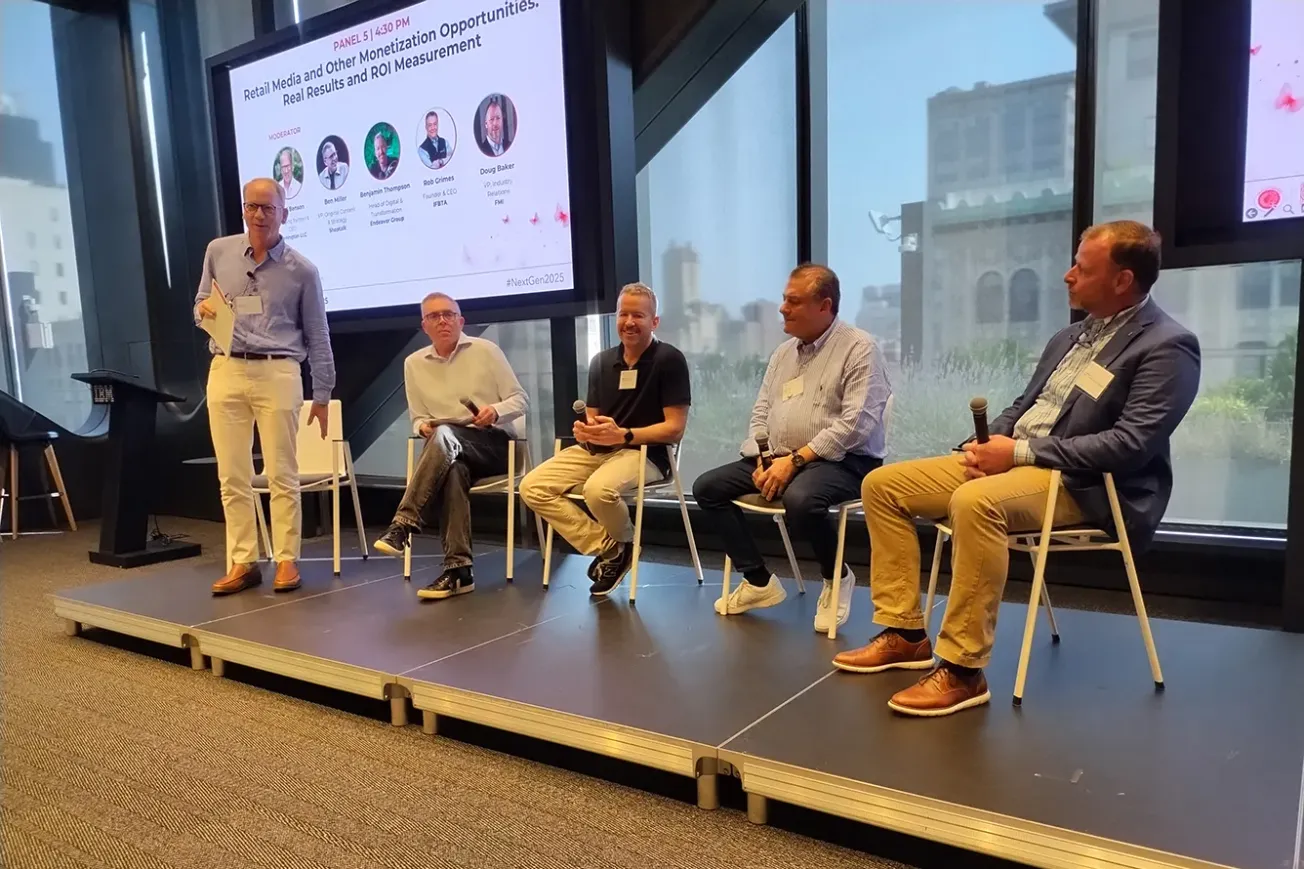
Coresight Research conference puts sharp focus on AI
The Acosta Group survey reveals a nuanced and sometimes contradictory shopper mindset.

The report underscores how consumers’ perceptions of price and value haven't recovered despite a decline in inflation, leading to more widespread value-conscious behavior.

More than 80% of c-store visitors go in specifically to buy a drink, and over half of them already know precisely what they want before entering.

While a majority of retailers encourage online shoppers to process returns in-store, 43% admit handling online order returns in-store is a top challenge.
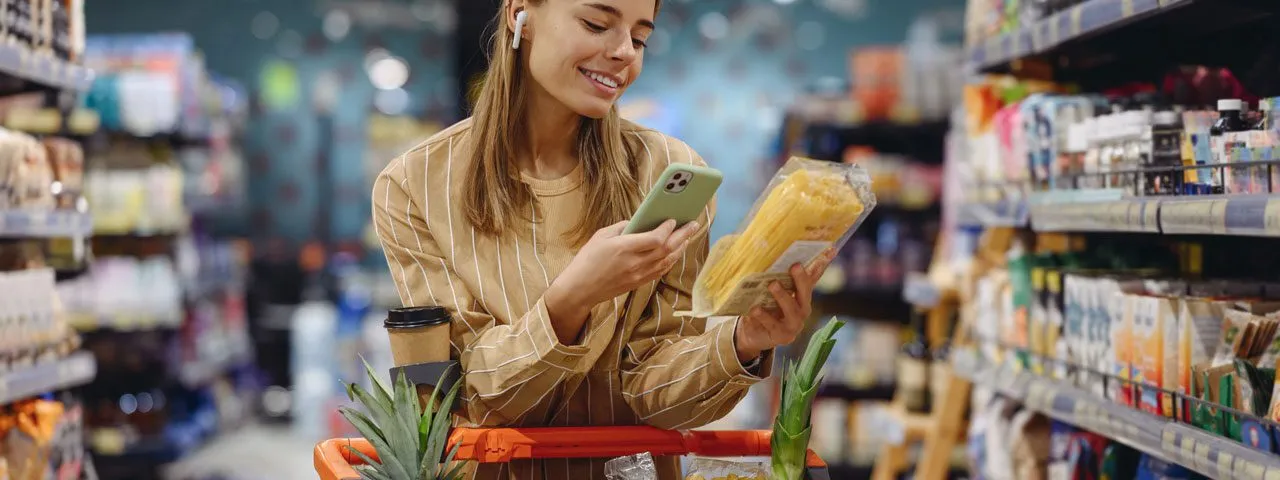
With little relief from higher food costs, 76% of shoppers want more information to inform their purchases.
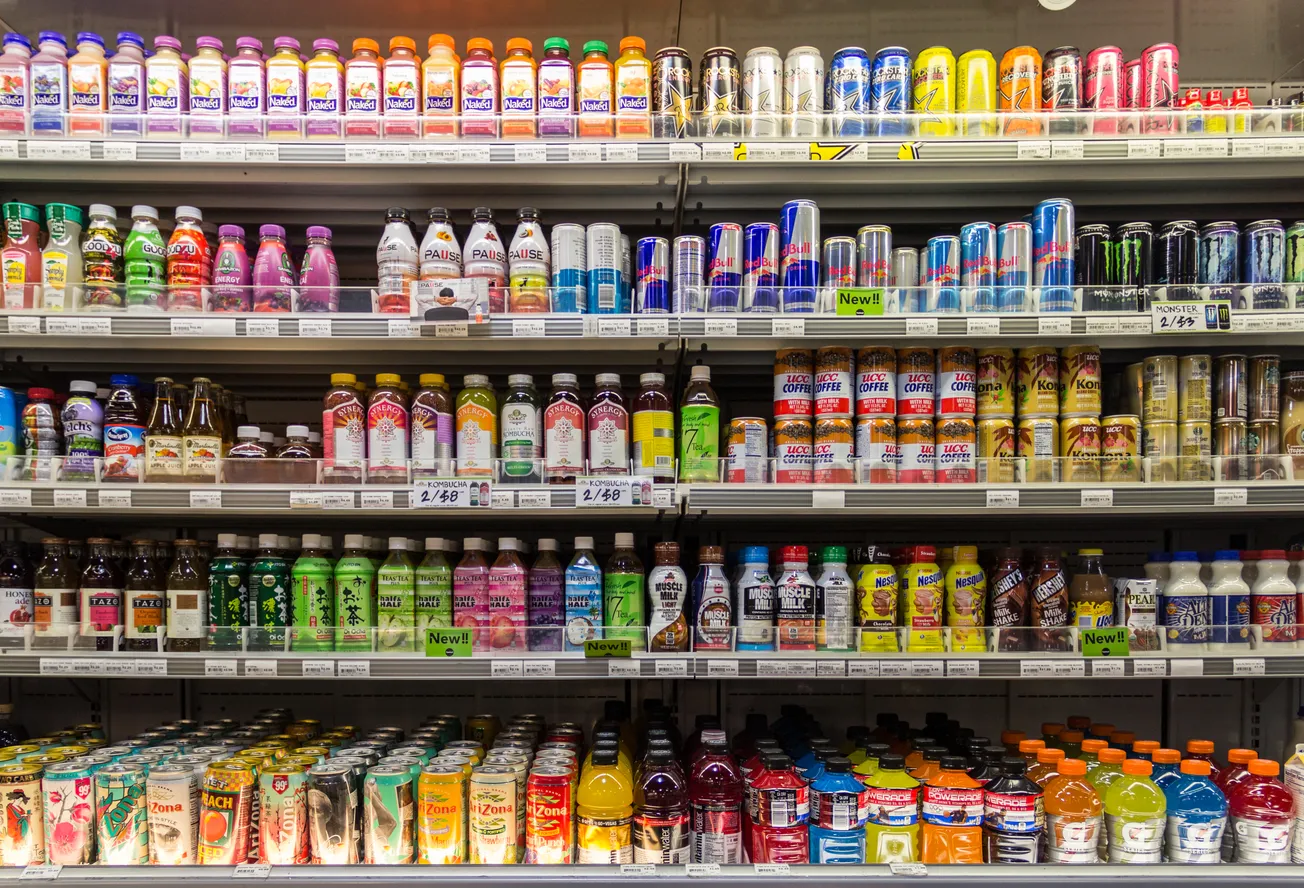
This year’s Convenience Store Trends Report findings show that C-stores are becoming serious contenders for consumer food purchases and ad dollars.

The results revealed multiple diet deficiencies linked to reduced food consumption and altered habits.

No companies pay for listings or reviews, ensuring objectivity according to Canomiks.

Discover the RangeMe Top 50 General Merchandise brands and more at RangeMe.com.
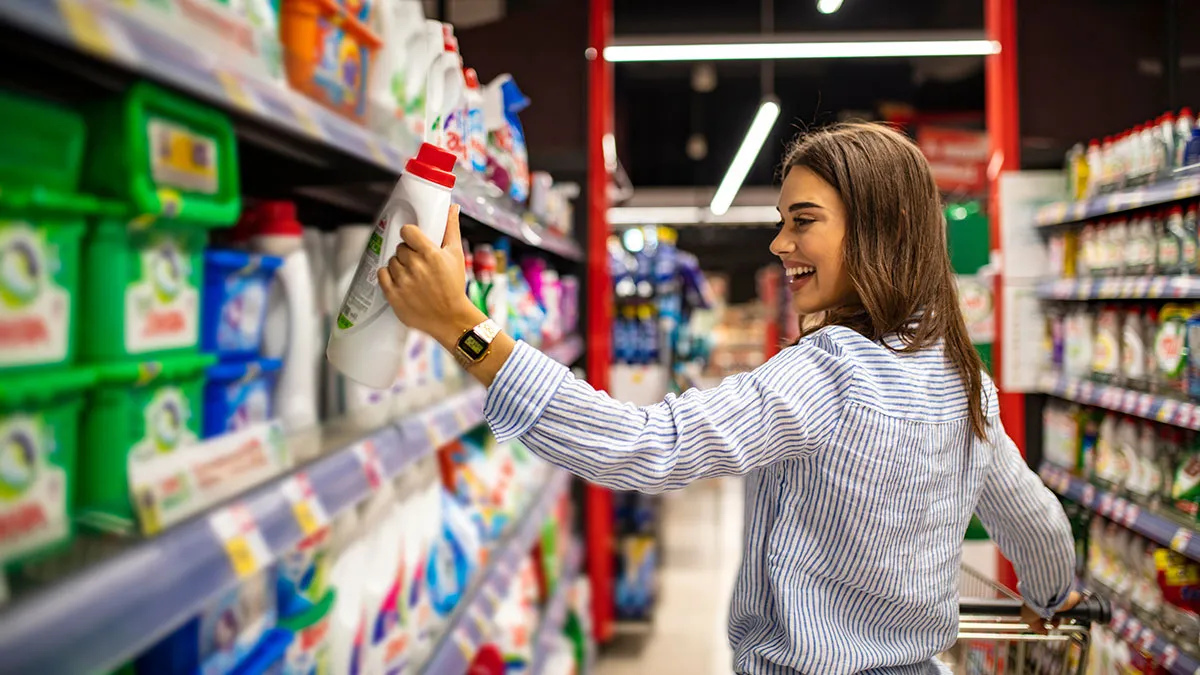
The annual report highlights how CPG brands are winning with solutions that offer convenience, enhanced wellness, and elevated experiences.

Younger consumers redefine value, quality, and identity in store brand landscape.

The report cautions that May’s growth is an outlier, reflecting momentum from promotions that began in mid-2024.
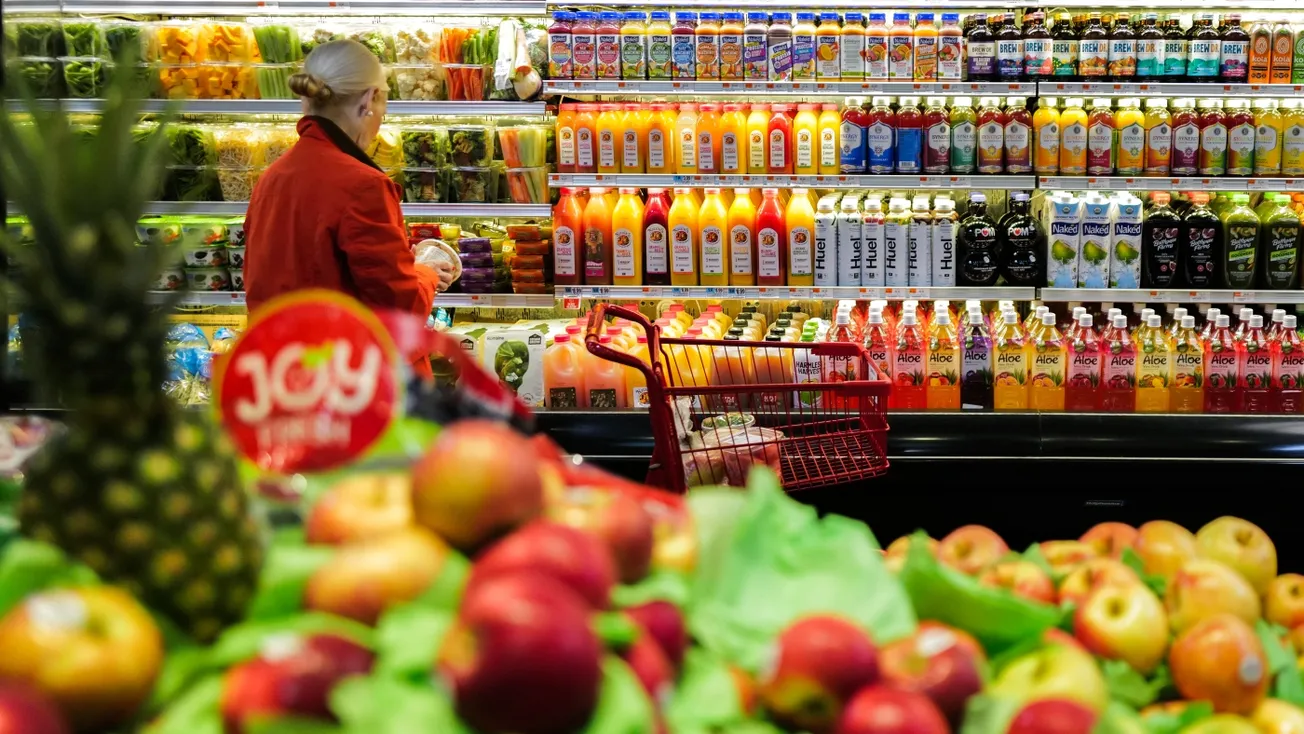
Households with children continue driving discretionary growth, but pressure is mounting.

According to a new report, global demand for retail ecommerce is projected to increase strongly.