
NEW YORK — Women’s wellness is no longer a niche opportunity. It is a retail, health care and consumer engagement imperative.
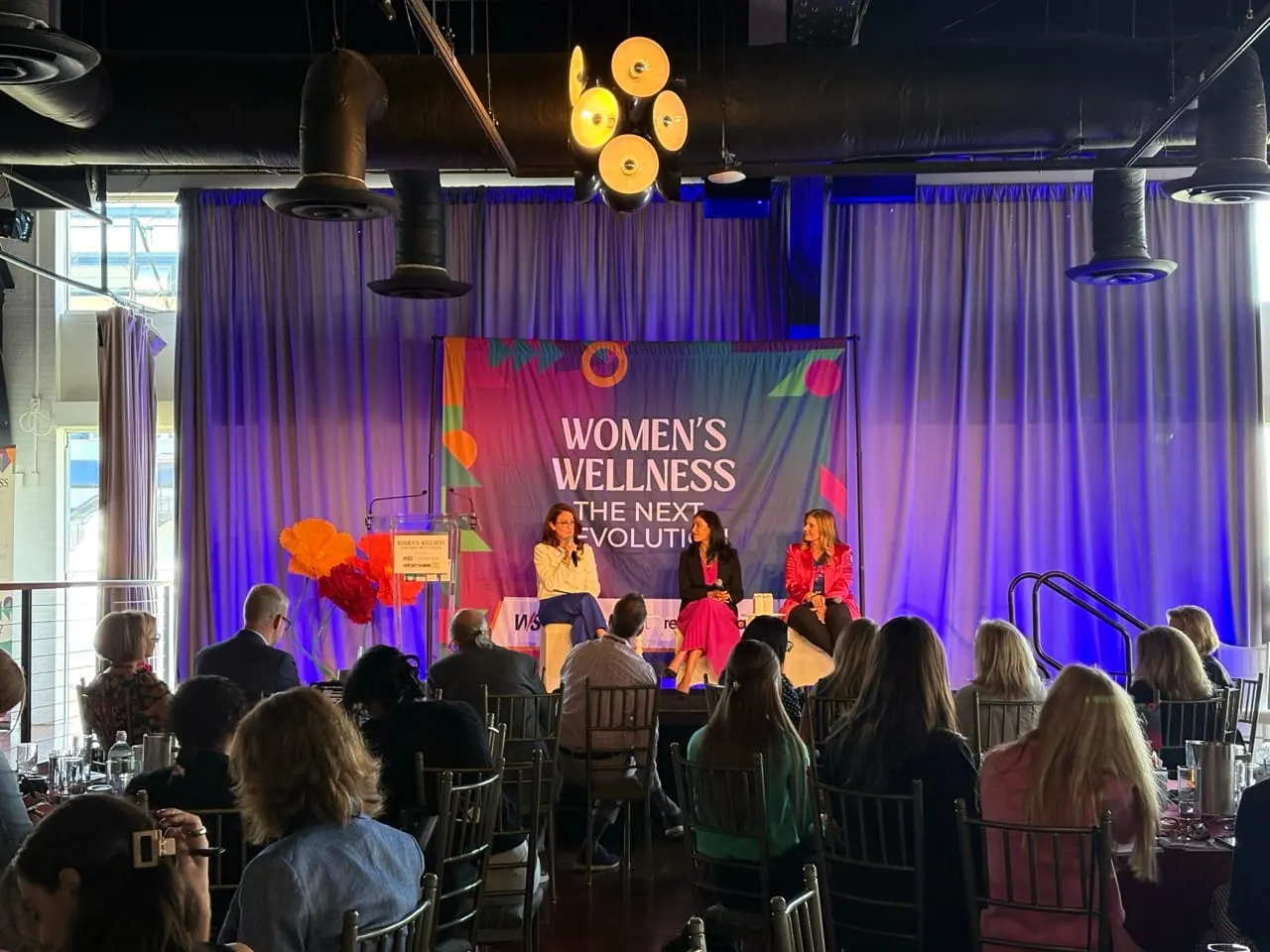
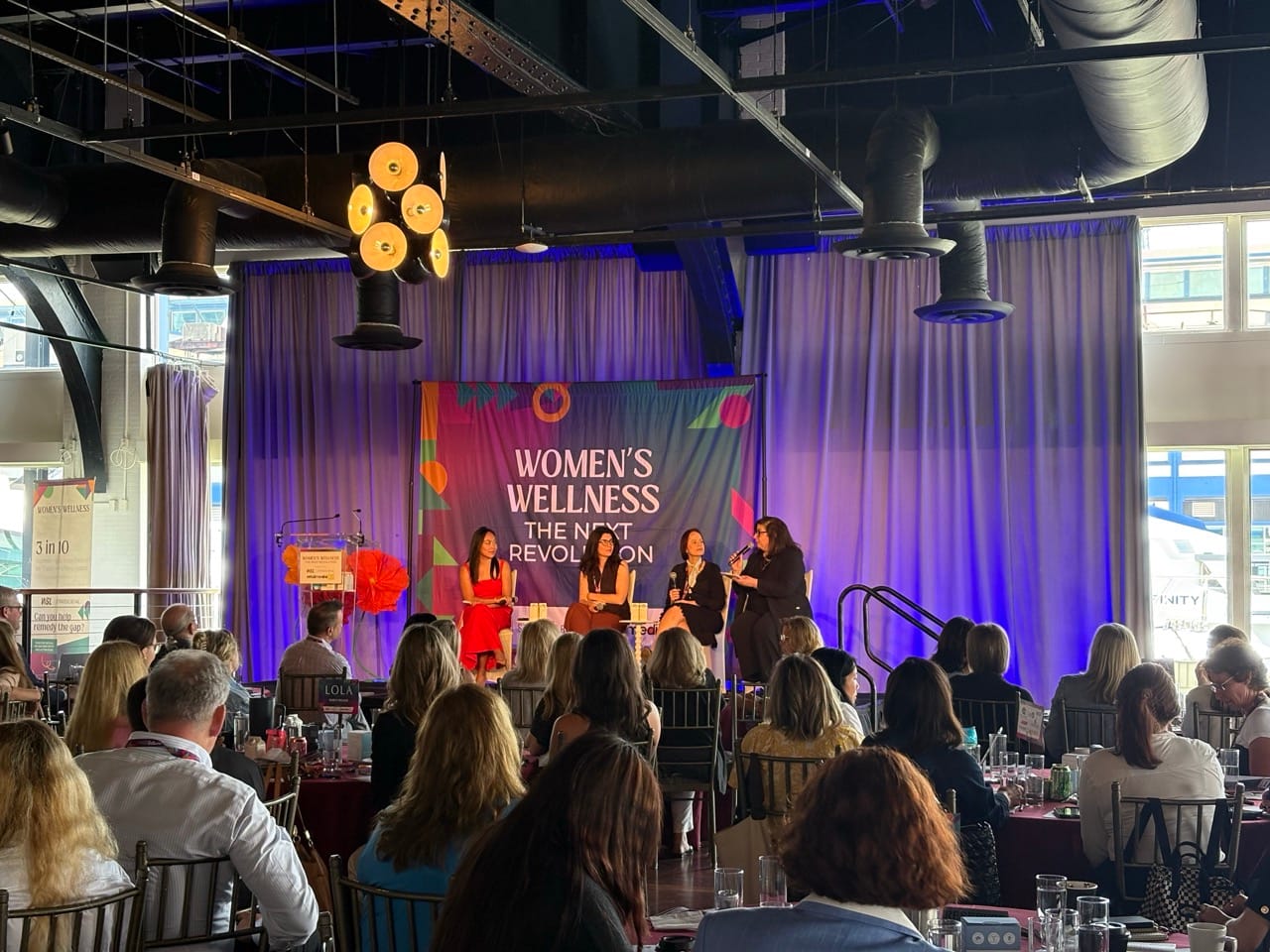
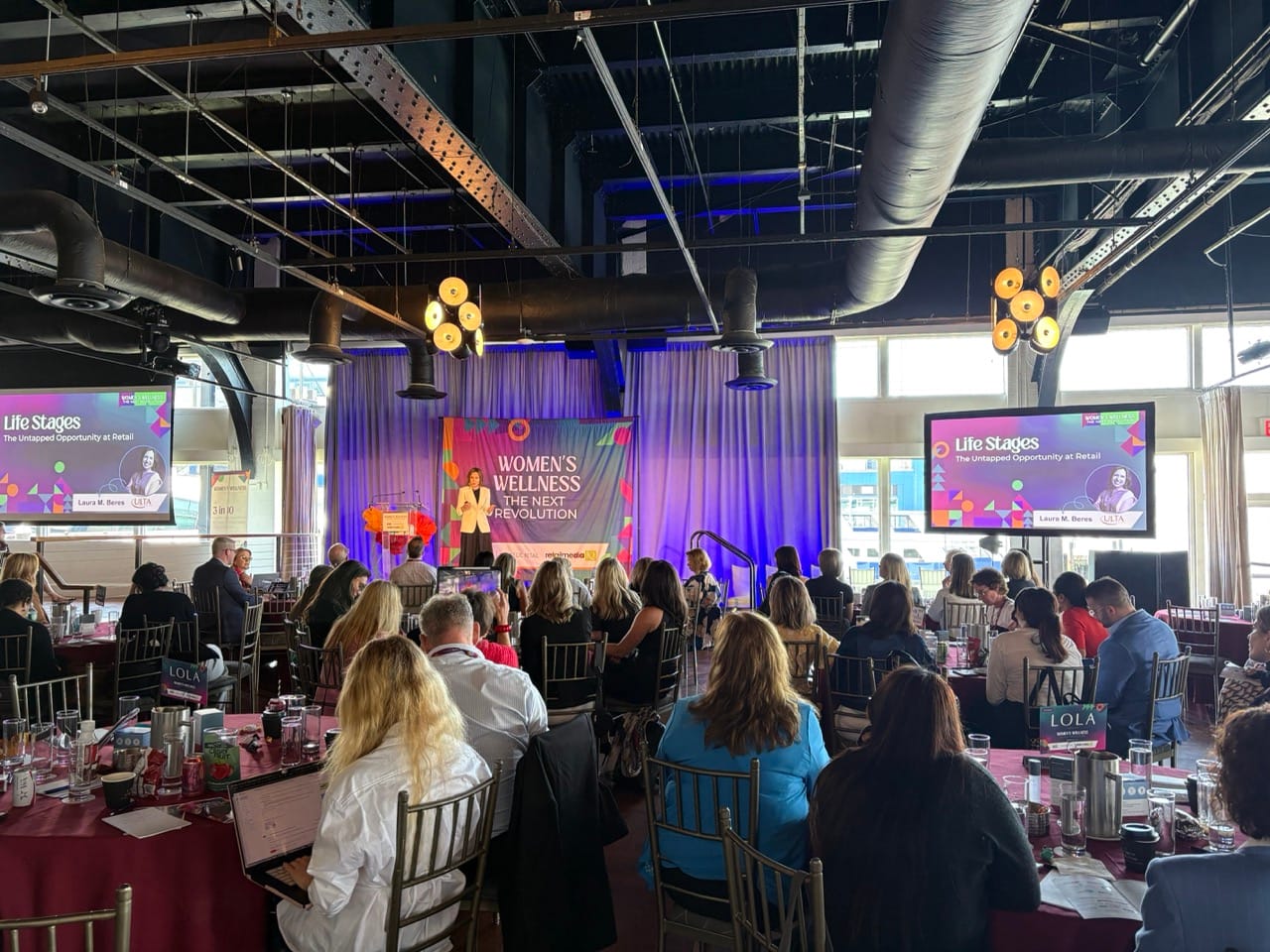
That message set the tone for the morning sessions at Women’s Wellness: The Next Revolution, an event presented by retailmediaIQ and WSL Strategic Retail, which convened more than one hundred retail leaders, health experts, brand executives, researchers, and innovators to examine how the industry can better serve women at every life stage.
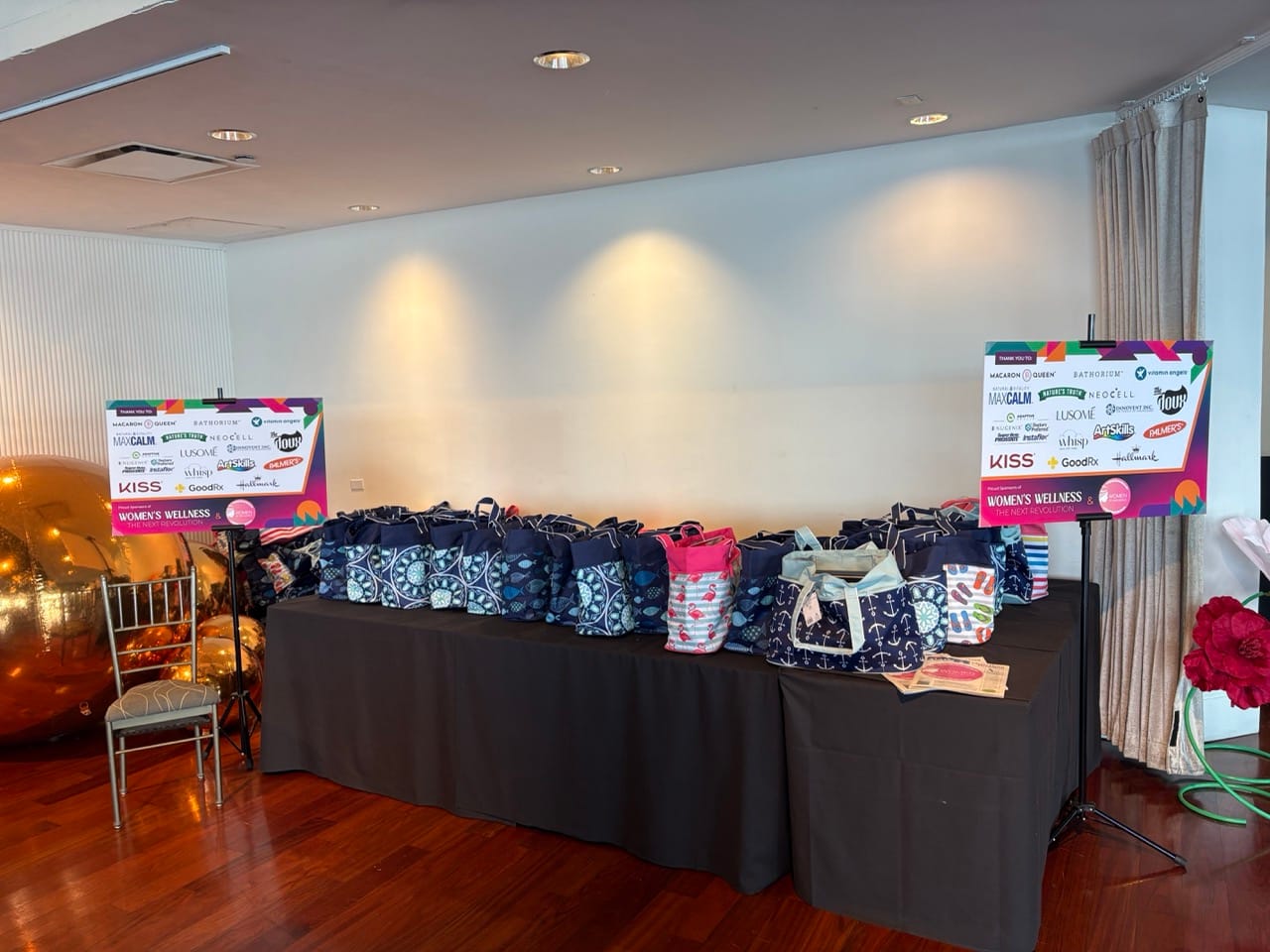
The event was supported by sponsors spanning the breadth of the women’s wellness market, from established health and beauty leaders to emerging brands focused on sleep, intimate care, supplements, menopause support, self-care, and healthy aging.
Women’s Wellness: The Next Revolution
Thank you to the sponsors supporting this important conversation on the future of women’s health, wellness, beauty, self-care and retail innovation.
The morning program focused on what women want, the industry’s current state, and where retailers, brands, and health care partners need to go next. Speakers repeatedly returned to a central point: women are demanding more accessible, affordable, and trusted solutions, and retailers have a critical role in moving women’s wellness from the margins to the mainstream.
Wendy Liebmann, CEO and chief shopper at WSL Strategic Retail, opened the program by framing the day as a call to action for an industry that has too often treated women’s wellness as fragmented, taboo, or underfunded. The event was designed to challenge companies to meet women where they are, with discussions spanning sexual health, longevity, GLP-1s, technology, and the shopper experiences women actually want.
Lina Chan, director of women’s health at Holland & Barrett, said that a broader social and health imperative aligns with the business case for investing in women’s health. She noted that women live longer than men yet spend a greater share of their lives in poor health, a gap she attributed not to biology but to decades of underinvestment.
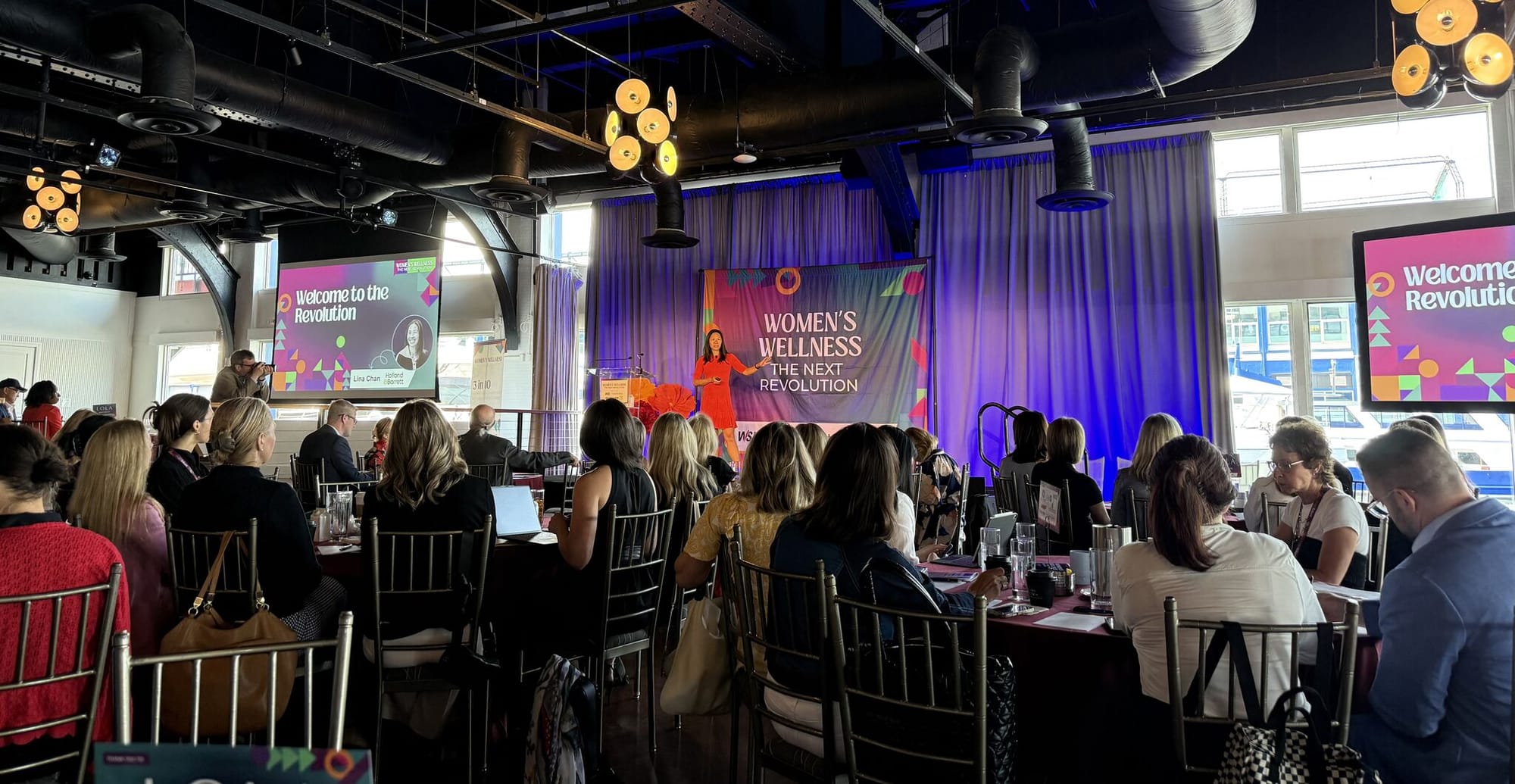
“When we talk about women’s health, we often think of fertility,” Chan said. “That is where most of the research goes. That’s where most of the product is. But the reality is that fertility only affects a few years of your life.”
Chan urged the industry to take a broader view of hormonal health, linking puberty, fertility, postpartum health, perimenopause, and menopause as part of a lifelong continuum. That life-stage approach, she said, can help companies move beyond transactional relationships and build deeper consumer loyalty.
“Think hormonal health, think life stage, build a product around the life stage,” Chan said.
She also highlighted Holland & Barrett’s efforts to normalize women’s health in retail settings, including campaigns on hormones and menopause, as well as the training of hundreds of women’s health coaches. Rather than isolating women’s health to a single aisle, Chan said the retailer sought to bring the conversation into multiple categories because hormones affect the brain, heart, mood, metabolism, bone health, skin, hair and more.
“I don’t think that the next revolution will happen in the lab,” Chan said. “I think you all have the power to do it every single day in the relationships that you have and the people that you speak to, and very much on the shop floor.”
The event also brought the shopper’s voice directly into the room through work by Pogo, a purchase-verified consumer research platform. Zlata Bobyr, head of partnerships at Pogo, described how the company used its community and purchase data to gather feedback from women across categories, including sexual health and wellness, beauty and skin care, and perimenopause and menopause.
Bobyr said Pogo reached 125 women in roughly 48 hours through AI-moderated video interviews, generating more than 50 hours of research content. The responses highlighted several recurring themes, including the importance of mental health, the need for more accessible information from doctors, the growing role of AI tools in health questions, the influence of peer communities, and the pressure women feel regarding the cost of care.
One respondent said mental health is still not discussed enough. Another described the cost of depression and anxiety medication as more than $300 out of pocket after insurance, noting that the expense itself could worsen anxiety and depression. Others discussed GLP-1 side effects, sexual health, menopause, and the meaning of longevity.
Bobyr said one clear takeaway was that influencer culture does not always translate into trust. Peer communities, she said, often dominate the trust network when women choose health and wellness products. She also emphasized that convenience itself has become a health benefit, as women seek to reduce the mental load of managing routines, product choices and health decisions.
A panel on sexual health, menopause and beyond featured Dr. Somi Javaid, founder of HerMD, and Cara Kamenev, president and CEO of Stripes Beauty, in a conversation moderated by Amanda Coussoule, Kenvue’s chief commercial officer.
Coussoule challenged attendees to leave the session with a specific action.
“What are you going to do coming out of today to better serve women through your service, your product, your experience, whatever your assets are?” she asked.
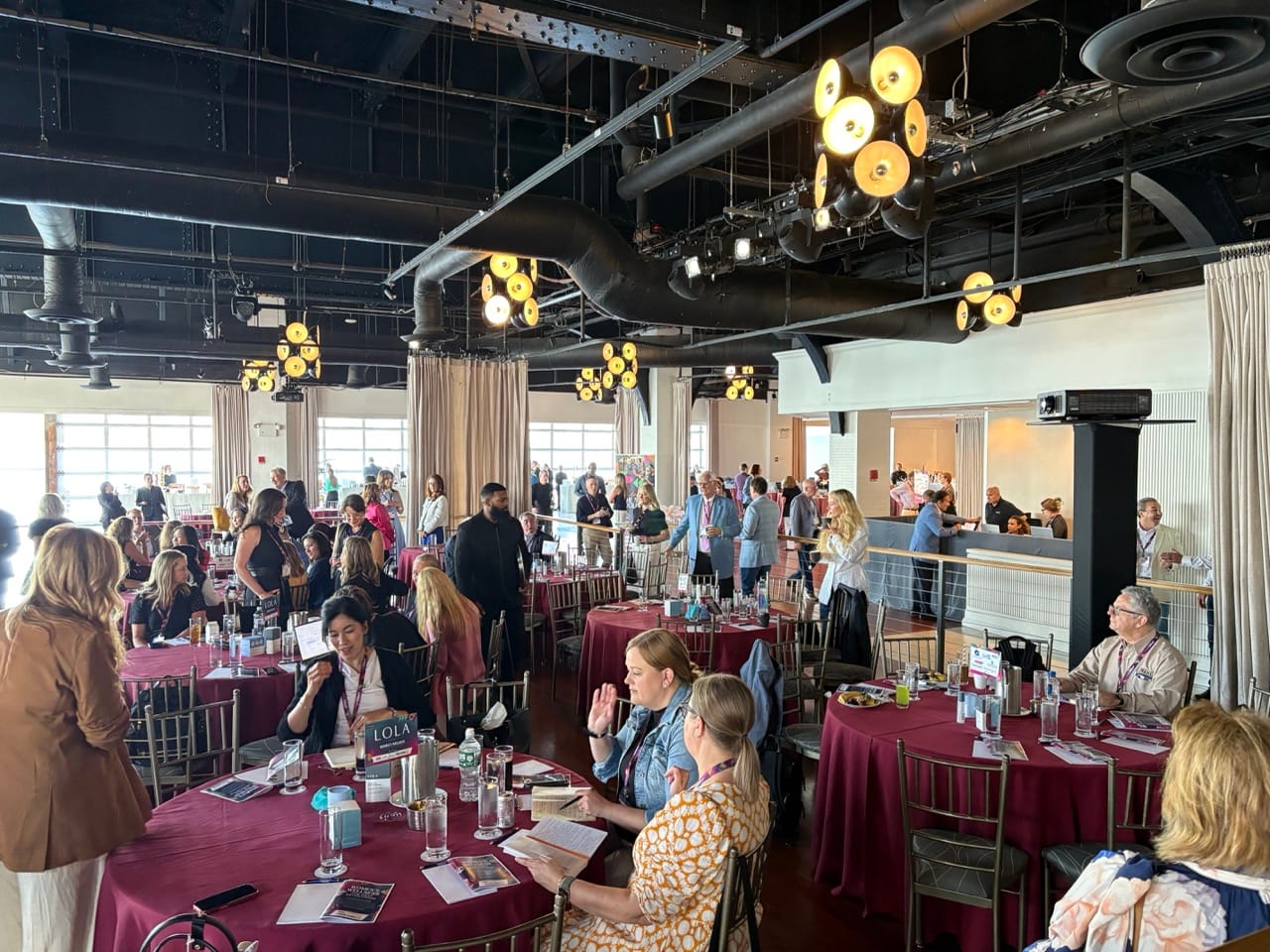
Javaid said the health care system has historically failed to treat women as whole people. She noted that women were not required to be included in clinical research trials until 1993, so many drugs and treatments were developed based on data from men. She also highlighted the disparity in sexual health treatments, noting that there are far more FDA-approved medications for men than for women.
“We used to have to start thinking of women as whole people, not just breasts and uterus, but actually a whole person,” Javaid said. “We have to start funding women. We have to start doing clinical research.”
Kamenev said Stripes Beauty, founded by Naomi Watts, was created to serve women in perimenopause and menopause with products spanning hair care, skin care, body care, vaginal health and wellness, and supplements. She said the culture around menopause has shifted in recent years, but significant work remains to be done in education, access to care, and product availability.
Kamenev said brands can play an important role by making products more accessible and helping women feel seen, particularly in a beauty industry that has long centered on anti-aging messages.
“We are pro-aging because what’s the alternative?” Kamenev said. “If you’re not aging, you’re dead.”
Ulta Beauty’s Laura Beres, vice president of wellness and commercial lead, expanded on the theme of wellness as a holistic retail opportunity. She said Ulta Beauty’s guests increasingly view beauty and wellness as connected, with many seeking products that support their broader lifestyles, including fitness, nutrition, supplements, mental health, and self-care.
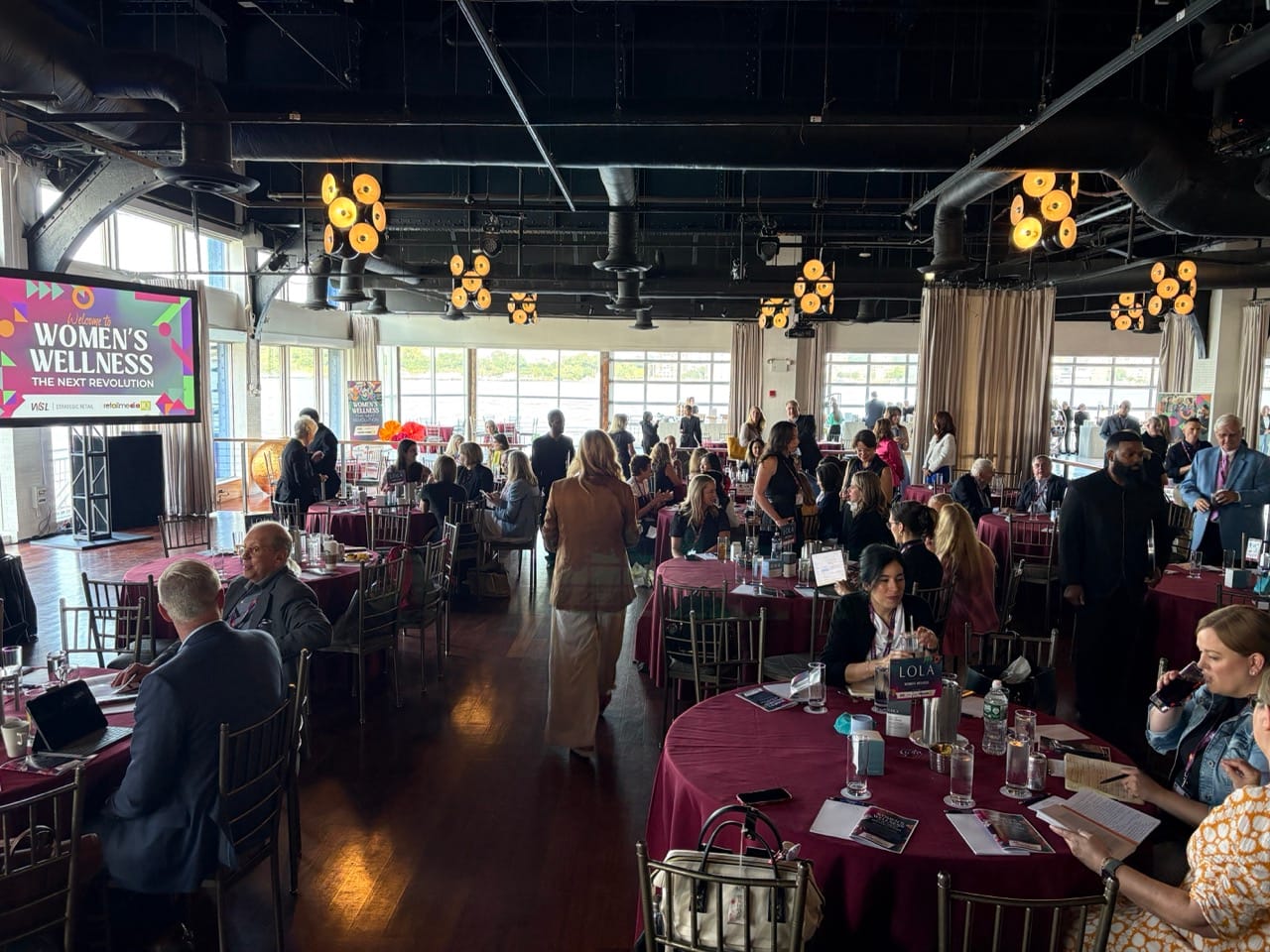
Beres said Ulta’s wellness offering has evolved from a small in-store concept into Wellness by Ulta Beauty, which focuses on helping guests “find your feel good.” She added that the retailer is testing larger wellness boutiques, educating associates, and expanding its wellness presence across its fleet.
The Ulta offering is organized into four areas: nutrition and supplements, intimate care, rest and reset, and essential routines. Beres said the company sees opportunities in longevity, life-stage and multigenerational wellness, simpler routines, personalization, and measurable outcomes.
“Retail does play a role here in helping guide women with what is already available in terms of solutions in a retail environment,” Beres said.
The morning also featured a discussion on delivering wellness to women where they are every day, with Vinima Shekhar, Walmart’s vice president of merchandising for beauty and Brandi Vosberg, PharmD, Walmart’s senior director of professional relations, practice and health services. The conversation was moderated by Gina Daley, L’Oréal Dermatological Beauty’s vice president of integrated health.
Daley said wellness has evolved from a perceived luxury into an everyday necessity. She described it as active, integrated and deeply personal, spanning the medications in a woman’s cabinet, the SPF in her moisturizer, the supplements on her counter and the routines that help her face the day.
Shekhar said Walmart’s work with L’Oréal Dermatological Beauty around the La Roche-Posay launch illustrated the need to break down internal silos across beauty, pharmacy, and health. She said customers do not shop by category when they have a problem. They shop for solutions.
“No customers shop by solutions. I have a problem,” Shekhar said. “And they’re not going to departments, but as organizations, as leaders, sometimes we let our organizations get in the way.”
Shekhar said Walmart has more than 4,600 stores, each with a pharmacist, whom she described as the most trusted associate in the store. Through the La Roche-Posay launch, Walmart and L’Oréal Dermatological Beauty worked to educate pharmacists and make skin health advice more accessible.
Vosberg said pharmacists are among the most accessible health care practitioners and often trusted sources for simple, practical guidance. She also discussed Walmart Wellness Days, which bring screenings and health education to stores.
The panel also addressed convenience for busy women and mothers. Vosberg cited Walmart’s prescription fulfillment, immunizations, A1C and cholesterol testing, testing and treatment services in states where allowed, and hormonal contraceptive prescribing in select states. Shekhar highlighted Walmart’s physical and digital reach, including delivery, personalization, and AI-powered search tools, as ways to reduce friction and save customers time.
The final pre-lunch discussion focused on longevity, featuring Reema Jweied-Guegel of AARP, Juliana Rodrigues of Coty, Claudia Bognanni of Elizabeth Arden, and moderator Diana Melencio of XRC Ventures.
The conversation framed longevity as a multidimensional opportunity, not merely a matter of living longer. Speakers discussed how younger consumers may approach longevity through prevention, wearables and optimization, while older consumers may be seeking solutions to support vitality, appearance, mobility, sexual health and quality of life.
Jweied-Guegel said many brands and retailers still design for an outdated image of the 50-plus consumer rather than recognizing the vibrancy and diversity of that audience. She said the industry must better connect the dots among consumers who buy sleep aids, supplements, wearables, menopause products, and other wellness solutions.
Throughout the morning, the message was clear: women’s wellness is not a single category, life stage, or product set. It is a continuum that spans beauty, pharmacy, sexual health, mental health, nutrition, longevity, technology, and the everyday retail experience.
For retailers and brands, the opportunity is significant. But speakers warned that the companies that will win are those that move beyond surface-level participation and invest in education, access, and affordability, as well as in science-backed products and experiences that reduce friction for women.
As speakers made clear, the revolution will depend not only on innovation but also on execution at the shelf, in the store, online, in the pharmacy, and in the everyday interactions where women make decisions about their health.
Stay tuned for more coverage from Women’s Wellness: The Next Revolution
Submit Your Press Release
Have news to share? Send us your press releases and announcements.
Send Press Release