
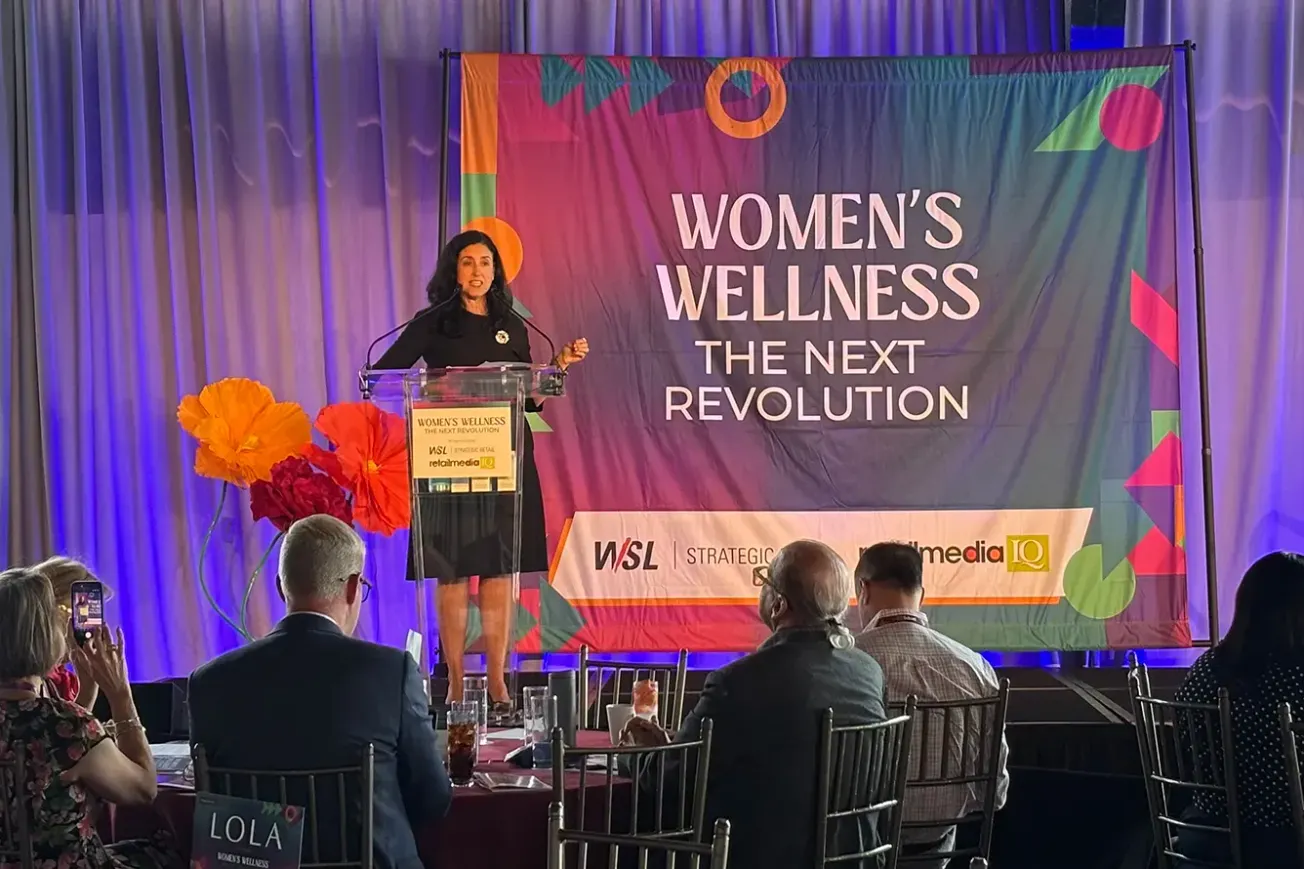
NEW YORK — The second half of Women’s Wellness: The Next Revolution broadened the conversation from product innovation to a broader business mandate for retailers, brands, investors, and health care-adjacent companies: women are already rebuilding their own wellness systems, and the marketplace needs to catch up.
Presented by retailmediaIQ and WSL Strategic Retail, the event brought together leaders from data, retail, finance and brand development to examine how women’s health and wellness needs are evolving across life stages, channels and categories. Afternoon speakers underscored that women are no longer waiting for traditional systems to define their health journeys. They are researching, buying, experimenting and building new routines across medical care, wellness, beauty, supplements, food, technology and community.
Sherry Frey of NIQ framed the shift as a connected story built around five signals: women are fragmenting across life stages, moving trust elsewhere, turning their bodies into data sources, routing around traditional channels and rethinking categories that no longer serve them.
“The line between medical and wellness is no longer relevant to her, although that’s still how we have organized ourselves as an industry,” Frey said. “It just doesn’t exist.”
Frey said women are creating their own protocols across medicine, nutraceuticals, GLP-1s, fitness trackers, and alternative health solutions. She described the modern female consumer as “the CEO of her own health,” selecting vendors and resources that fit her needs, regardless of where they sit in the traditional retail or health care ecosystem.
That shift has major implications for retailers, she said, particularly in areas such as hormones, GLP-1s, supplements, and beauty and self-care. Frey said estrogen-based hormone therapy is growing across age groups, not only among the menopause cohort, and searches for women’s testosterone have grown sharply in recent years.
“This is not a menopause story,” Frey said. “This is a whole life hormone story.”
She said retail still often organizes women’s wellness around a single category, aisle, or age cohort, while consumers shop by need state and body system. That creates a gap between how retailers manage stores and how women actually live.
Frey also cited NIQ tracking of online needle sales as evidence that consumers are bypassing traditional channels when they cannot find the solutions they need. She cited growth in the use of 30- and 31-gauge needles associated with peptide use, microdosing and split-dose self-injection protocols.
“This data, this isn’t a trend line. This is actually a receipt,” Frey said. “What consumers can’t get today, they will get where they need to. They will go around the industry. They will find it.”
GLP-1 users also present a broader retail opportunity, Frey said. While many companies have focused on the drugs themselves, she said the larger opportunity lies in adjacencies tied to side effects and evolving needs, including gastrointestinal support, hair loss, incontinence, aesthetics, oral health, and nutrition.
“If you are just today thinking about GLP-1 strategy just in terms of your products and you’re not thinking about adjacencies, we’re really missing the opportunity,” Frey said.
Trust was another major theme. Frey said that 64% of women conduct their own research before seeing a doctor, and 61% are prepared to challenge their doctor or question recommendations. She said that does not mean women are anti-brand.
“She is anti-overclaim,” Frey said. “One of our biggest opportunities is really closing that credibility gap.”
Frey said women are increasingly using personal data, functional health tests, wearables, and AI tools to build individualized wellness plans. While technology will shape the future of personalization, she said retailers and brands still need to provide trusted human guidance.
“It’s not about replacing,” Frey said. “AI’s not going to replace. I think we’ll see this, especially for women. It’s really about combining.”
Frey said the biggest white space in retail is not necessarily a new category but the mismatch between how stores are organized and how women shop. She said women are asking whether to address a need with food, supplements, over-the-counter products, services, or lifestyle changes, rather than thinking in terms of traditional departments.
“The biggest white space in retail isn’t a new category,” she said. “It’s actually the fact that there is a huge gap between how we organize our stores, how we think about our stores, how we manage our product lines and how they shop and what they need.”
She said women are spending on wellness, but they are not showing unlimited patience. Regarding menopause supplements, she said 90% of sales come from trial users, while only about 36% are consistent users.
“That means this is not loyalty,” Frey said. “That means she is auditioning and we are not delivering for her.”
Frey said the opportunity is shifting from premium wellness to accessible wellness, from product categories to body systems, and from choice overload to curated simplicity.
“This is not really a women’s health trend,” she said. “This is not a trend. Frankly, trends fade. This is a correction that we’re seeing. This is 20 to 30 years of women being underserved, underestimated and under-researched, and the truth is she is correcting herself.”
Sarah Wolfe of Morgan Stanley then placed the opportunity in economic terms, describing the “she economy” as one of the most important business forces shaping the next several decades.
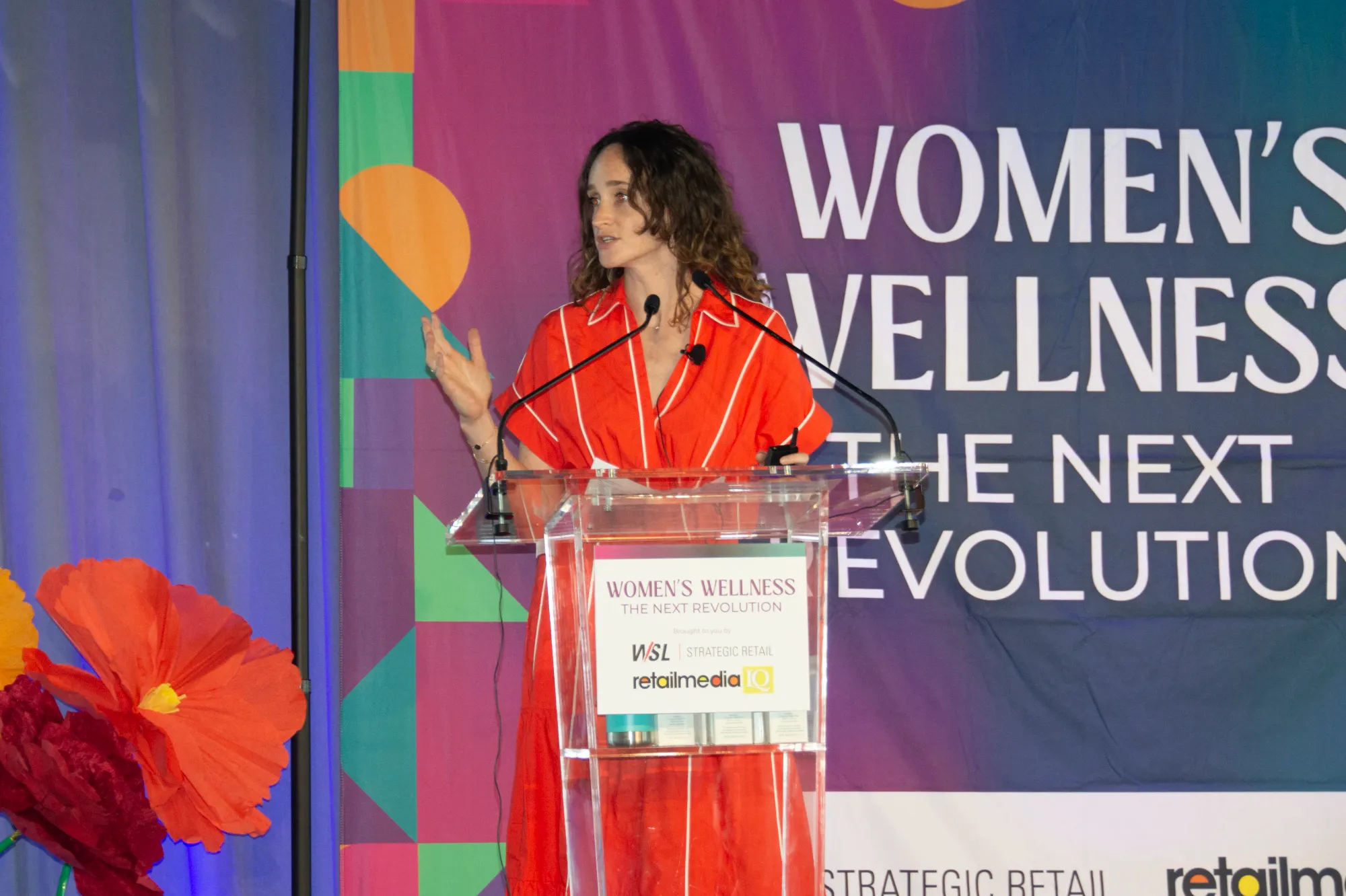
“Women are living longer, they’re earning longer,” Wolfe said. “They’re forming households differently than they ever have before. They are building wealth at a greater rate than ever before, and they’re about to inherit a lot of wealth as well.”
Wolfe said women’s economic power has been building for decades and is now at a point where businesses, investors and financial advisors need to tailor their strategies. She tied the rise of women’s economic power to changes in household formation, education, workforce participation and family planning.
Wolfe said women now control about $40 trillion in global consumer spending, account for 75% of discretionary spending, and make nearly 80% of household purchasing decisions. She also noted that wives now out-earn their husbands 40% of the time.
“When you go shopping, you are not just shopping for yourself,” Wolfe said. “You’re shopping for your partner, you are shopping for your children. You are the financial decision maker.”
She also highlighted the rise of the single female economy. Wolfe said the broader female population is growing at about 0.8% annually, while the single female population is growing at about 1.2%. Morgan Stanley estimates that 45% of prime-age working women will be single in the next few years.
That matters, Wolfe said, because single women spend differently than married women with children. They spend more on housing, personal care, apparel, and services, creating distinct opportunities for businesses that understand this demographic.
Wolfe said women are increasingly important as wealth builders and inheritors. Women are now on par with men in homeownership rates, and single women often own homes of higher value than single men, despite facing greater barriers to mortgage approval. Longer life expectancy will also shape the next great wealth transfer, she said.
Women outlive their spouses 95% of the time, by an average of five years, Wolfe said, meaning a significant share of the coming wealth transfer will first move to women. She said baby boomers hold about $124 trillion in wealth, with about $55 trillion expected to pass through interspousal wealth transfer.
Only 17% of financial advisors are women, Wolfe said, and 70% of women change advisors after their spouse dies.
“So it’s a huge missed opportunity,” Wolfe said.
At the same time, Wolfe emphasized that the she economy still faces major structural barriers. Women perform 75% of the unpaid labor and 300% more unpaid work than men, she said. Mothers also face a major wage penalty, while fathers often receive a workplace premium.
“The motherhood penalty paired with the fatherhood premium is so significant,” Wolfe said.
Child care is another major barrier. Wolfe said child care is often called the second mortgage for good reason, noting that in 45 states, families with two children spend more on child care than on their mortgage payments, and in 49 states, they spend more on child care than on rent.
The opportunity, Wolfe said, is for companies to recognize women not as a niche market but as a dominant economic force.
“This is the most unrealized opportunity,” she said.
The day’s final keynote came from Marita Burke, chief creative officer of MECCA, who offered a retailer’s perspective on how beauty and wellness are converging. Burke said MECCA, the prestige beauty retailer in Australia and New Zealand, has spent nearly three decades building around education, service, expertise, and community.
“Beauty is so much more,” Burke said. “It’s about self-confidence, identity, ritual, self-expression, and care. It’s about how you feel as much as it is about how you look.”
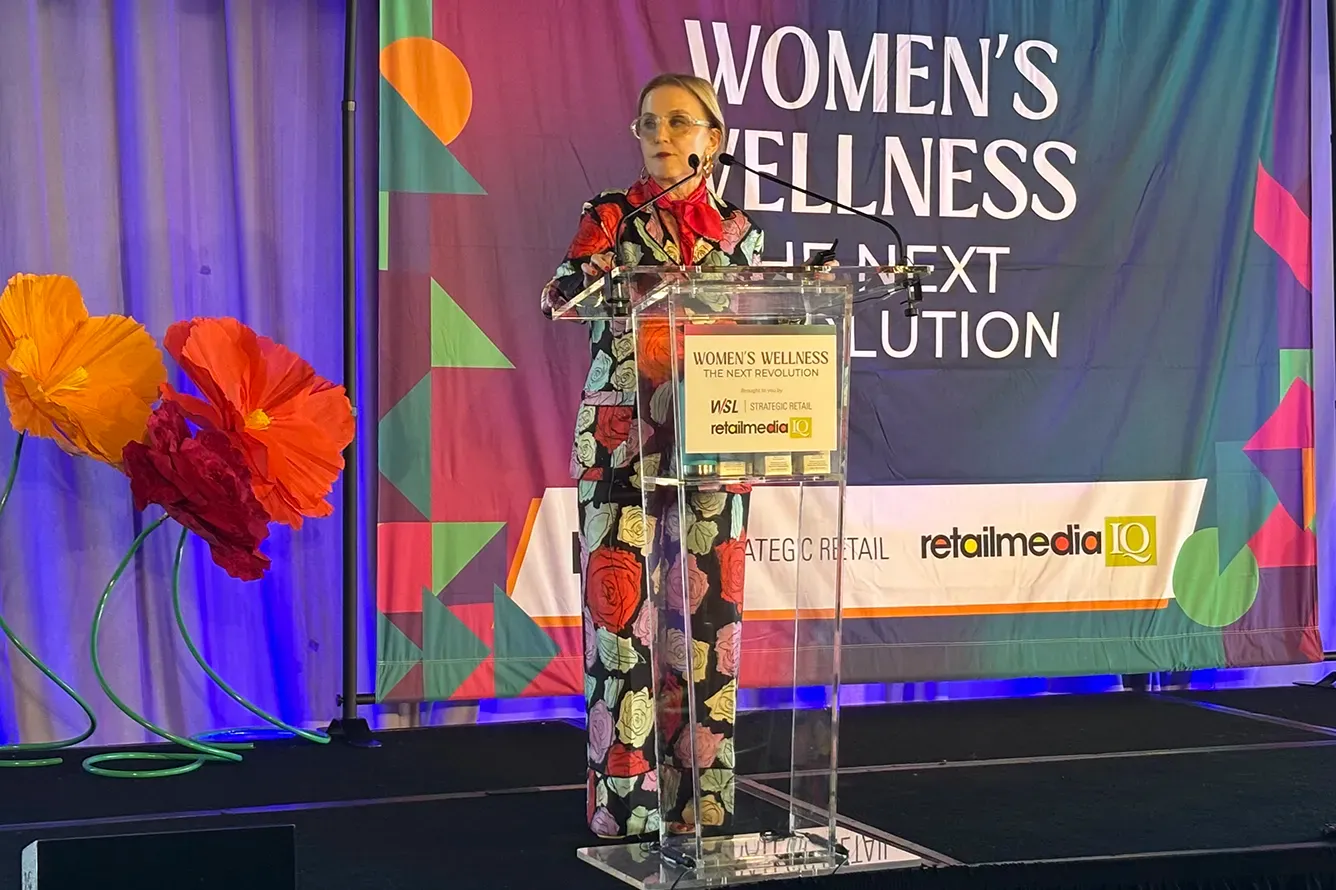
Founded in Melbourne in 1997, MECCA has grown to more than 110 stores across Australia and New Zealand, more than 200 global brands, more than 7,000 team members, more than 6 million loyalty members, nearly 45 million annual store visits, and 110 million online visits.
Burke said the company’s purpose remains to help customers look and feel their best, but the role customers expect MECCA to play is changing.
“More than ever, customers want somewhere they can learn, they can sample, they can meet, they can ask questions,” Burke said. “They want to know what’s right for them, but more than anything, more than a recommendation, they are looking for understanding, and they are looking for empathy.”
Burke said beauty, health and wellness are no longer separate conversations. Customers want better sleep, less stress, more energy, greater balance and a more holistic approach to feeling well. They also want services and human guidance in a marketplace where information is abundant, but trust is harder to find.
“For many women, the challenge isn’t finding information, it’s knowing what information to trust,” Burke said.
She pointed to MECCA’s Bourke Street flagship in Melbourne as a physical expression of the future of beauty and wellness retail. The three-level, 4,500-square-meter store is 60 times the size of MECCA’s first store and features more than 200 brands, 80 services, and 500 team members in a single immersive space.
“We’ve always said you don’t need space to sell beauty, but you definitely need space to bring beauty to life,” Burke said.
The store features MECCA Apothecary, a wellness destination focused on sleep, stress management, gut and hormonal health, and overall well-being. Customers can access naturopathic services, facial mapping, ear seeding, nutritional support, and personalized wellness recommendations.
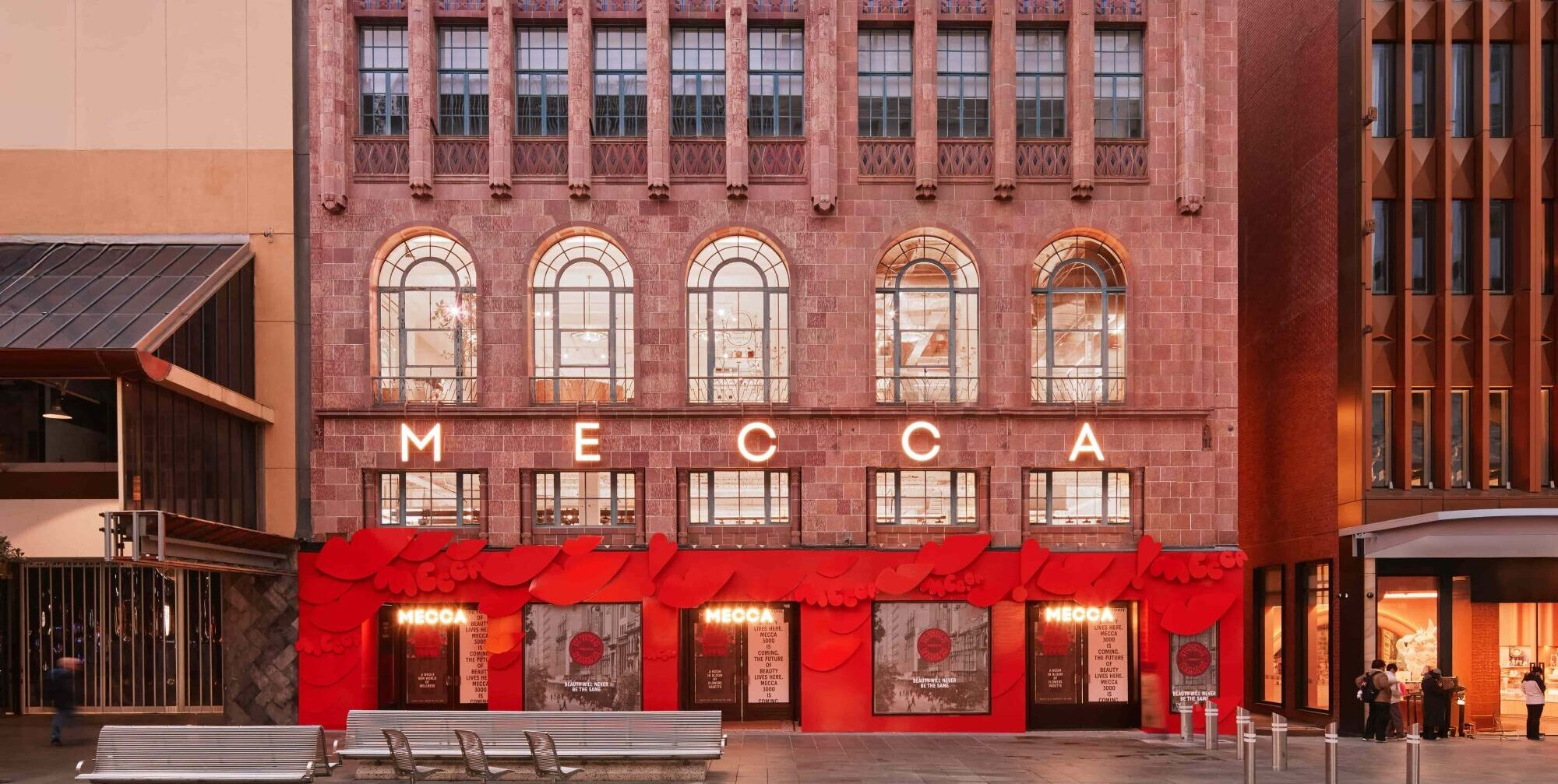
Burke said the move into wellness was not a departure from the beauty space.
“This was beauty growing up,” she said. “Because when you spend every day talking to customers about confidence, self-care and feeling good, wellness doesn’t feel like a leap at all.”
MECCA’s Bourke Street store is welcoming up to 70,000 visitors a week and providing more than 1,500 services a week, Burke said. The company is now rolling out elements of that concept to other stores.
Burke also discussed Kit, MECCA’s own brand launched in 2022, which spans skincare, body care, fragrance, sleep, and wellness rituals. She said the brand was built around daily habits that help customers feel well, rather than a dramatic transformation.
“Sleep has become one of the biggest wellbeing conversations we have seen,” Burke said. “Customers increasingly understand the connection between sleep, stress, recovery, mood and overall wellbeing.”
For retailers, Burke said, the opportunity is not to replace health care professionals but to help customers navigate everyday rituals and choices.
“Our customers are asking different questions,” she said. “Not just, ‘What should I put on my skin?’ They’re asking, ‘How do I unwind? How do I sleep better? How do I create small moments? How do I get through the day?’ These are wellness questions, and our community is increasingly trusting us with these conversations, which means we better know what we are talking about.”
The program closed with a broader discussion on what retailers, brands and investors should do next. Panelists urged the industry to move quickly, test messaging, support emerging brands, create stronger retail pathways and build community through both physical stores and technology.
One speaker urged attendees not to wait for major institutional change before acting, noting that women’s health can advance through everyday interactions with customers, colleagues, employees, and family members. Another called on manufacturers to move at two speeds: solve problems now with existing products and services while designing for the woman of the future.
Investors and brand leaders also emphasized the need to make retail more accessible to emerging brands, from payment terms and shelf placement to longer trial windows. They said retail remains a critical growth channel as digital customer acquisition costs continue to rise.
Community was another recurring theme. Speakers noted that women are already gathering in online groups, peer networks, running clubs, mom groups, and perimenopause communities to exchange advice and product recommendations. The challenge for retailers is to participate in those communities authentically and at scale.
Burke said physical stores still have an important role, particularly as younger consumers who discover brands online increasingly want to experience them in person.
“It is such a powerful way,” Burke said. “Even tiny, tiny brands that we bring in from around the world, it is so much more effective for them to scale and grow in stores because the cost of customer acquisition digitally is just through the roof.”
The afternoon concluded with a call to treat women’s wellness not as a narrow category or a passing trend, but as a long-term retail, health, and economic opportunity.
“The most exciting thing about the future of wellness isn’t a product or a service or even a category,” Burke said. “It’s the shift that we’re seeing in women themselves and growing willingness to pay attention, to trust their instincts, to become more curious about their own wellbeing, that feeling well isn’t self-indulgent, it’s essential.”
Women’s Wellness: The Next Revolution
Thank you to the sponsors supporting this important conversation on the future of women’s health, wellness, beauty, self-care and retail innovation.
Submit Your Press Release
Have news to share? Send us your press releases and announcements.
Send Press Release